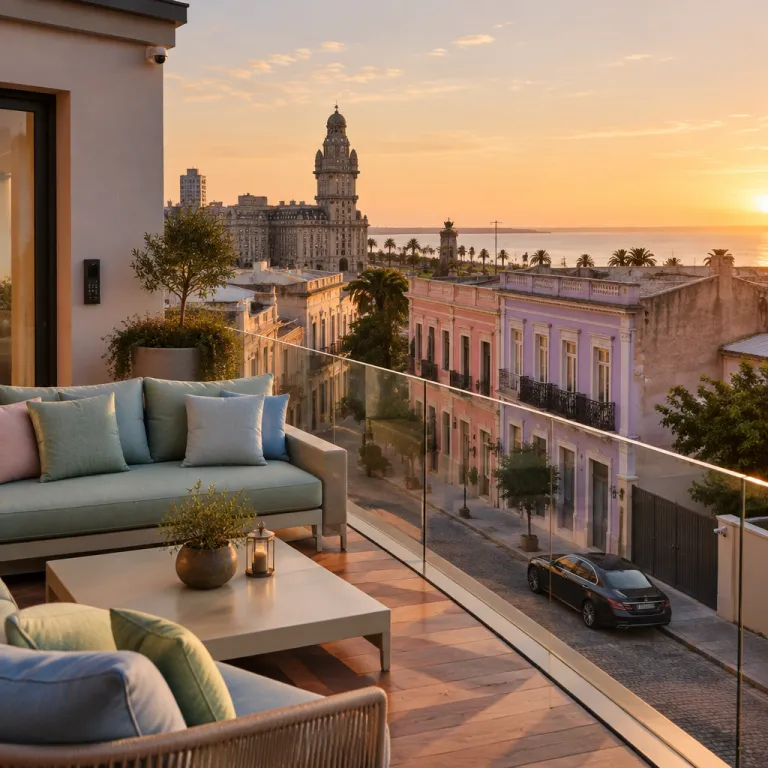
Is Montevideo safe for luxury travellers seeking historic city escapes
Montevideo in Uruguay offers a calm, measured kind of urban security. The question “is Montevideo safe” matters even more when you are choosing premium hotels in historic areas, because comfort and protection must align. In this city, most travellers experience a relaxed atmosphere, yet informed planning still helps reduce risk.
Across the country, levels of violent crime remain lower than in many regional capitals, which reassures people considering a luxury stay in Montevideo Uruguay. That said, petty crime such as bag snatching and phone theft occurs in busy areas, so personal safety depends on how you move, what you carry, and which streets you choose after dark. When you evaluate whether Montevideo is safe for your travel style, think in terms of neighbourhoods, time of day, and how visible your valuables are.
Historic districts like Ciudad Vieja, the Rambla waterfront, and the axis between Plaza Independencia and Tres Cruces bus terminal each have distinct safety profiles. During the day these areas feel lively and generally safe, but at night you should avoid deserted side streets and poorly lit corners, especially if you are walking back from a restaurant or a show. As one long-time concierge in Ciudad Vieja puts it, “guests who stick to the main avenues and call us for a car after midnight almost never have problems.” Luxury hotels in these zones usually provide tailored safety advice, private transfers, and concierge-level security support, which significantly improves overall protection for guests.
Understanding Montevideo’s safest areas for premium stays
When you ask “is Montevideo safe” for a luxury city break, start by mapping the safest central areas. Pocitos, Punta Carretas, and parts of Parque Rodó are popular with travellers because streets are well lit, traffic is calmer, and the general feeling of security is higher. These neighbourhoods combine upscale hotels, embassies, and residential buildings, which usually means better policing and more people on the streets late into the evening.
In Ciudad Vieja, where many historic city escapes begin, safety changes from block to block, so you should pay attention to local travel advice from your hotel concierge. The top streets around Plaza Matriz, the Cabildo, and the pedestrian Sarandí are usually busy during the day, but some side areas empty quickly after office hours, which can increase the risk of petty crime. Choosing a luxury property with controlled access, cameras, and doormen in these areas will reduce risk and help you enjoy the architecture without worrying about personal safety.
Montevideo is safe enough for most people to walk between restaurants, theatres, and the Rambla, yet you should still avoid walking alone along the port side of Ciudad Vieja late at night. For guests planning to travel beyond the capital, such as to Colonia del Sacramento or Punta del Este, many premium hotels can arrange private transfers that maintain a consistent level of security door to door. If you are considering a spring visit between the months December and March, reading a detailed guide on how to travel Uruguay in spring before the summer crowds arrive can help you understand seasonal patterns in different areas and refine your itinerary.
Road safety, driving in Uruguay, and transfers between historic cities
Many luxury guests wonder not only “is Montevideo safe” but also whether it is safe to drive Uruguay between cities such as Colonia del Sacramento and Punta del Este. Main highways in the country are generally in good condition, with surfaces maintained and signs of traffic usually clear and well marked. For a first visit, private drivers or hotel-arranged transfers often provide the most comfortable balance between independence, safety, and local expertise.
When you drive in Uruguay yourself, you will notice that traffic lights are respected in central Montevideo, yet some drivers accelerate at yellow, so defensive driving is essential. Roads leading to Punta del Este and Colonia del Sacramento are usually in condition well suited to long distance travel, but you should still watch for sudden lane changes, slow moving agricultural vehicles, and occasional animals near the road. Night driving outside urban areas carries higher risk because lighting is limited, so many travellers prefer to schedule transfers during daylight hours.
Within Montevideo Uruguay, premium hotels often partner with vetted car services, which improves security when returning late from dinners or cultural events. If you plan to rent a car for a wider historic city escape that includes Montevideo, Colonia del Sacramento, and Punta del Este, ask your concierge for tailored travel advice on the best routes and safe parking areas. For a refined overview of neighbourhoods and key routes, an elegant Montevideo Uruguay map for historic city escapes and luxury stays can be invaluable when planning how you move between districts.
Personal safety, petty crime, and how to reduce risk in Montevideo
To answer “is Montevideo safe” honestly, you must look closely at petty crime patterns in tourist areas. Most incidents affecting travellers involve distraction theft, bag snatching, or pickpocketing rather than violent crime, especially in crowded markets, bus terminals, and some sections of the Rambla. The Tres Cruces terminal, for example, is a key transport hub where you should keep bags closed, phones out of sight, and documents secured.
Luxury hotels in Montevideo Uruguay usually provide in-room safes, discreet security teams, and clear guidance on which areas to avoid at night, which significantly improves personal safety. When you leave the property, carry only the cash you need, keep one payment card separate, and leave passports locked away, because this simple routine can dramatically reduce risk. People who follow such travel advice tend to experience safety in Montevideo as reassuring, especially when they combine common sense with the extra layers of protection that premium properties offer.
Across the country, natural disasters such as major earthquakes or hurricanes are rare, which means most safety concerns relate to urban crime and road conditions rather than extreme weather. Coastal storms can still affect swimming conditions along Montevideo’s beaches and in Punta del Este, so always follow local signs and lifeguard instructions before entering the water. If you are planning a refined countryside stay after your city escape, it is worth reading a guide on what is currency in Uruguay and how payments work, because understanding local money practices adds another layer of practical security to your trip.
Seasonality, coastal escapes, and swimming safety from Montevideo to Punta del Este
Many guests ask whether Montevideo is safe during the peak beach season, especially when planning combined stays with Punta del Este. The months December to March bring warmer weather, more events, and heavier travel flows, which changes how you should think about safety in both cities. Crowds increase the chance of petty crime in busy areas, yet they also mean more people on the streets, more taxis, and more visible policing.
On the coast, swimming safety becomes a central part of the “is Montevideo safe” question, particularly for families staying in luxury properties along the Rambla or in Punta del Este. Beaches are usually well managed, but you should always respect flags, currents, and lifeguard instructions, because conditions can change quickly even when the sea looks calm. In Punta del Este, good hotels provide daily beach safety advice, including which side of the peninsula offers the best conditions for swimming on a given day.
When you extend your trip to other coastal areas of Uruguay, such as quieter resorts beyond Punta del Este, ask about local currents, jellyfish alerts, and recommended swimming times. Luxury concierges are used to advising travellers on how to balance relaxation with security for luxury travellers, from choosing the right beach club to arranging safe transfers back to Montevideo Uruguay after sunset. By aligning your plans with seasonal patterns and expert guidance, you can enjoy the country’s coastline while keeping both personal safety and comfort at the centre of your travel decisions.
Historic city escapes beyond Montevideo and how safety shapes hotel choices
Once you feel confident that Montevideo is safe for your style of travel, it becomes natural to extend your itinerary to other historic cities. Colonia del Sacramento, with its UNESCO listed historic quarter, offers cobbled streets, river views, and premium stays in restored mansions that emphasise tranquillity and security. Walking here feels relaxed, yet you should still follow the same personal safety habits you use in Montevideo, especially at night on quieter streets.
When you drive Uruguay between Montevideo, Colonia del Sacramento, and Punta del Este, the main roads are usually in good condition and well marked, which supports comfortable transfers in private cars or chauffeured vehicles. Signs of traffic are generally clear, but you should still respect speed limits, watch for sudden stops near tolls, and keep valuables out of sight when parked. Many luxury properties in these cities offer secure parking, controlled access, and staff trained in safety protocols, which together create a consistent sense of being safe across your entire route.
Historic city escapes in Uruguay reward travellers who combine cultural curiosity with thoughtful planning around safety, from choosing the right areas in Montevideo to timing coastal drives and beach days. When you evaluate whether Montevideo is safe compared with other regional capitals, remember that your hotel choice, transfer arrangements, and daily habits all influence the real level of risk you experience. By partnering with premium properties that prioritise security and by following clear travel advice, you can enjoy Uruguay’s historic cities with confidence and focus on the elegance of the journey.
Key safety and travel statistics for Montevideo and Uruguay
- According to the United Nations Office on Drugs and Crime, Uruguay’s homicide rate in 2021 was around 8.5 per 100,000 inhabitants, significantly lower than that of several neighbouring countries, which supports the perception that Montevideo is relatively safe compared with some regional capitals.
- Data from Uruguay’s Ministry of Tourism indicate that international arrivals recovered to more than 2.9 million visitors in 2019 before the pandemic, with Montevideo, Punta del Este, and Colonia del Sacramento consistently ranking among the top destinations for foreign travellers seeking both culture and safety.
- Uruguay’s National Road Administration reports that main intercity routes between Montevideo, Colonia del Sacramento, and Punta del Este are paved and maintained, with ongoing investment aimed at keeping highways in good condition and improving signs of traffic for drivers.
- Surveys by regional travel observatories regularly place Uruguay among the safer countries in South America for tourists, especially in terms of political stability, respect for institutions, and relatively low levels of large scale natural disasters.
FAQ about safety in Montevideo for luxury and premium travellers
Is Montevideo safe for walking at night around luxury hotels
Central neighbourhoods such as Pocitos and Punta Carretas are generally safe for walking at night, especially near luxury hotels and main avenues. You should still stick to well lit streets, avoid deserted areas, and use hotel recommended taxis or car services after late dinners. Keeping valuables discreet and staying aware of your surroundings further reduces risk.
How safe is it to drive between Montevideo, Colonia del Sacramento, and Punta del Este
Main highways linking these cities are usually in good condition and well marked, which makes daytime driving relatively straightforward. Many luxury travellers prefer private transfers or chauffeured cars arranged by their hotels, which adds comfort and a higher level of security. Night driving outside urban areas is less advisable because of limited lighting and occasional animals on the road.
What type of crime most often affects travellers in Montevideo
The most common incidents involve petty crime such as pickpocketing, bag snatching, and phone theft in crowded areas or on public transport. Violent crime against tourists is less frequent, especially for guests staying in premium properties that offer controlled access and security staff. Using hotel safes, carrying minimal cash, and avoiding isolated streets at night significantly lowers your exposure.
Is swimming safe on Montevideo’s beaches and in Punta del Este
Swimming is generally safe on monitored beaches when you follow lifeguard instructions and respect warning flags. Conditions can change quickly due to currents and weather, so always check local advice before entering the water, particularly with children. Luxury hotels and beach clubs in Punta del Este often provide daily updates on which beaches offer the best and safest conditions.
Do I need to speak Spanish to stay safe in Montevideo
Speaking some basic Spanish helps you understand signs, follow safety announcements, and communicate with drivers or police. However, staff in luxury hotels usually speak English and can assist with translations, bookings, and safety related questions. Carrying your hotel’s address written in Spanish for taxis is a simple step that improves both comfort and security.