What defines an authentic Uruguay wellness retreat hotel experience
In Uruguay, a true wellness retreat hotel experience feels quietly grounded. The most memorable luxury hotels do not just add a spa wing; they weave wellbeing into the land, the horses, the fire and the Atlantic light. For a solo traveler, that integration turns a pleasant hotel stay into an experience that recalibrates how you move, eat and rest.
Across Uruguay, the contrast between a classic resort spa and a deeper retreat is clear. A resort spa focuses on treatments and facilities, while a wellness retreat builds a narrative around local culture, from gaucho led horseback rides at sunrise to riverside yoga in Carmelo Resort & Spa’s pine and eucalyptus groves. When you plan your Uruguay wellness retreat hotel experience, look for properties where wellness, art and landscape are inseparable rather than sold as separate hotel offers.
Estancia Vik in José Ignacio is a benchmark for this approach in South America. The hotel integrates gaucho culture into wellness retreats through horseback riding, traditional cuisine and local art, turning movement and creativity into therapy. At sister properties Playa Vik and the nearby wine lodge style vineyards, guests enjoy an atmosphere where infinity pool edges, Atlantic views and curated art collections feel like part of the same slow breathing exercise.
For many solo explorers, this is the perfect scale. Hotels Uruguay that lean into intimacy rather than spectacle make it easier to join a small group ride, a mate circle or a guided walk without feeling like part of a crowd. When you compare retreats Uruguay wide, pay attention to how many rooms and suites a property has, because fewer keys often mean more tailored guidance and a more personal experience.
Price is another quiet signal of intent. Day spas in Uruguay can start around modest rates, while luxury hotel spas often range from roughly 100 to more than 500 dollars per session, and multi day retreats can reach 200 to over 2 000 dollars per night. For example, recent packages at Estancia Vik and Playa Vik have included three night wellness stays with daily horseback riding, yoga and half board from about 900 to 1 500 dollars per person in low season, based on publicly listed rates and direct hotel quotes consulted between June 2023 and March 2024. Those higher tariffs only feel justified when the retreat offers a coherent story that links spa rituals, gaucho traditions and the wider landscape into one continuous experience.
From spa hotel to gaucho rooted retreat
The line between a spa hotel and a wellness retreat in Uruguay runs through the stables and the kitchen, not just the treatment rooms. A spa hotel might offer a solid massage menu and an outdoor pool, while a retreat uses horseback riding, fire cooked meals and local wine as part of a structured wellness journey. For a solo traveler, that structure can be the difference between a pleasant break and a transformative Uruguay wellness retreat hotel experience.
At Estancia Vik, wellness is framed through gaucho culture rather than imported trends. You ride with gaucho guides across the José Ignacio countryside, then return to a lunch cooked slowly over an asado grill, where mindful eating means paying attention to smoke, texture and conversation. The estancia’s art filled interiors turn each corridor into a gallery, proving that Vik is not just a hotel name but a philosophy that treats art as emotional care.
Nearby, Playa Vik extends this idea to the oceanfront. Here, an infinity pool seems to float above Playa Mansa, and guests enjoy long laps as the sun drops behind Punta del Este’s skyline in the distance. The hotel offers yoga on the grass, followed by tastings of Uruguayan wine that highlight how tannat pairs with grilled vegetables as easily as with beef.
Further along the coast, Fasano Punta del Este and Hotel Fasano show how a resort spa can edge toward retreat territory. Built into the granite hills above La Barra, Fasano Punta uses its dramatic setting to encourage walking, cycling and quiet contemplation between spa sessions. The resort spa facilities are polished, yet the most restorative moments often happen on a solitary path overlooking the Maldonado River rather than inside a treatment cabin.
Alive Health SPA Resort near Punta del Este takes a more medical approach. Here, wellness retreats Uruguay style can include diagnostics, nutrition plans and supervised training, which appeals to travelers who want measurable results rather than only relaxation. Sample seven night programs have combined body composition analysis, personalized meal plans and daily fitness coaching, with prices typically starting near 2 000 dollars per person according to program brochures and rate sheets reviewed in late 2023. It is a reminder that in Uruguay, wellness retreats range from estancia based programs to clinically oriented stays, and your ideal hotel experience depends on whether you seek introspection, performance or a blend of both.
Thermal springs, river calm and vineyard slow time
Long before the first luxury hotel opened, Uruguay’s original wellness tradition flowed from its thermal springs. In the Daymán and Arapey districts, naturally heated waters have drawn locals for generations, and today they anchor a different kind of Uruguay wellness retreat hotel experience. Here, the focus is less on marble clad spas and more on the ritual of soaking, resting and repeating, year round.
Modern resorts around these hot springs now pair thermal pools with upgraded rooms, suites and curated spa menus. While some properties feel like straightforward resort spa complexes, others are beginning to integrate more thoughtful wellness programming, from guided stretching sessions beside the pools to nutrition focused dining. For solo travelers, the rhythm of early morning soaks followed by quiet reading time can be as restorative as any complex treatment plan.
On the opposite side of the country, Carmelo Resort & Spa offers a riverine counterpoint to the thermal scene. Set among pine and eucalyptus trees on the Río de la Plata, this luxury resort uses its Chandra spa, yoga classes and garden walks to create a sense of suspended time. Guests enjoy the contrast between structured activities and unhurried hours by the outdoor pool, where the river horizon feels almost like an inland sea.
Vineyard based retreats add another layer to the wellness map. At Sacromonte in Pueblo Edén, the model is slow wellness built around terroir, where a wine lodge style setting, spa cabins and open fire kitchens work together. Here, wine is not an indulgence but part of a balanced ritual that pairs moderate tastings with long walks through the vines and simple, seasonal food.
Across these regions, the best hotels Uruguay side step the temptation to imitate Costa Rica style jungle retreats or distant Asian models. Instead, they lean into what the country already does well: measured hospitality, open landscapes and a culture that values conversation over spectacle. When you compare retreats Uruguay wide, notice how often the word retreat is backed by real silence, dark skies and the option to be alone without feeling isolated.
A solo friendly itinerary for layered wellness
For a solo explorer, the most rewarding Uruguay wellness retreat hotel experience often unfolds as a sequence rather than a single stay. Think of the country as a series of chapters, each hotel and resort adding a different note to your reset. A three or four stop route lets you sample urban energy, coastal calm, rural grounding and thermal restoration without rushing.
Begin in Montevideo with a short detox in a central hotel that offers a competent spa, a decent gym and easy access to the rambla for long seaside walks. This is not yet a full retreat, but a way to adjust your pace, sleep and diet after the flight. From there, head to José Ignacio or Punta del Este, where properties like Estancia Vik, Playa Vik or Fasano Punta del Este fold beach life, art and gaucho culture into more structured wellness retreats. Driving time from Montevideo’s Carrasco International Airport to Punta del Este is usually around two hours, with José Ignacio a further 30 to 40 minutes along the coast in normal traffic.
In José Ignacio, the combination of soft Atlantic light, low rise architecture and serious food culture creates a perfect base. Estancia Vik leans into horseback riding and rural rituals, while Playa Vik brings you back to the ocean with its sculptural infinity pool and contemporary art. Between them, you can alternate mornings in the saddle with afternoons in the spa or on the sand, shaping your own rhythm.
Next, consider a few nights at Carmelo Resort & Spa for river calm and vineyard proximity. The resort spa facilities, yoga decks and wooded paths make it easy to spend entire days without checking a screen, and guests enjoy the option of wine tastings that feel contemplative rather than indulgent. If you are curious about more medical style programs, a later stop at Alive Health SPA Resort near Punta del Este can add structure to your wellness data without sacrificing the coastal setting.
Finally, close the loop with two or three nights in the thermal district of Daymán or Arapey. Here, the focus narrows to water, rest and simple food, a stripped back counterpoint to the design heavy hotels of José Ignacio and Punta del Este. If you need to connect through an airport hotel on the way home, curated guides to refined comfort near Uruguay’s main terminals can help you choose a last night stay that supports, rather than undoes, the work of your retreat.
Gaucho culture as movement therapy and mindful eating
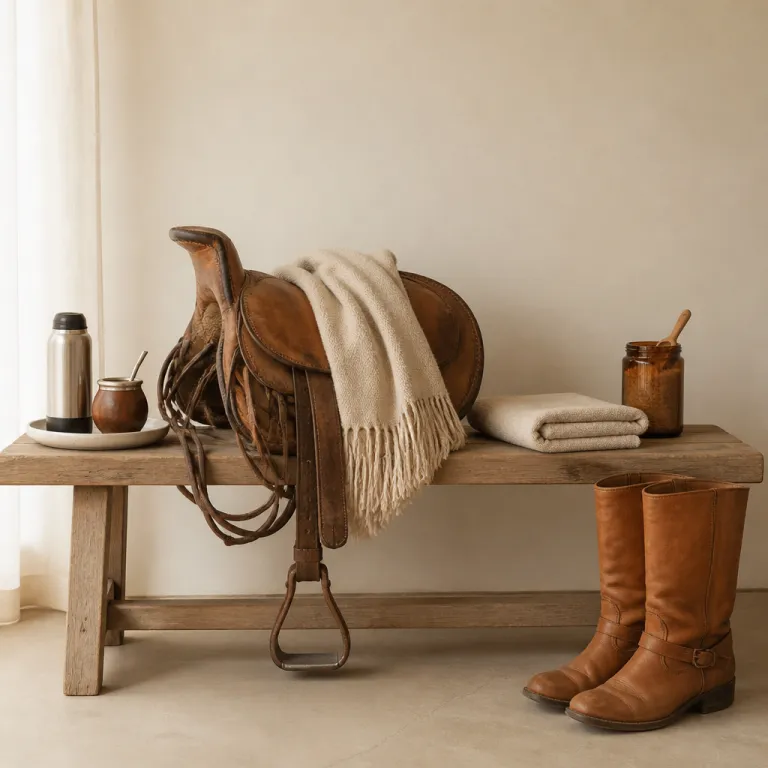
The most distinctive thread in any Uruguay wellness retreat hotel experience is gaucho culture treated as therapy rather than spectacle. Horseback riding becomes a form of moving meditation, where you match your breath to the horse’s stride across open fields. Traditional asado meals turn into lessons in patience, as the gaucho tends the fire from noon and serves when the embers decide, not the clock.
Estancia Vik, Albergue y Estancia El Silencio and Hotel & Restaurant Garzón all show how this can work in practice. At these hotels, local artisans, gaucho guides and culinary experts collaborate to blend traditional gaucho culture with modern wellness practices. The result is a style of retreat where art on the walls, the cut of a saddle and the taste of a tomato from the garden all feel like parts of the same treatment plan.
For many guests, questions arise before booking. “What is gaucho culture?” and “Are these retreats suitable for beginners?” sit alongside practical concerns such as “What should I pack for a gaucho wellness retreat?” and the reassuring answer is simple: comfortable clothing, sturdy footwear and an open mind for cultural experiences. These retreats are designed so that both experienced riders and complete novices can participate safely and meaningfully.
Compared with larger resort spa complexes in places like Costa Rica, Uruguay’s estancias operate on a more intimate scale. You might share a long wooden table with only a handful of other guests, trading stories over local wine as the sky darkens. That intimacy makes it easier for solo travelers to feel held by the place, not lost in it, and it is one reason why many find these retreats more restorative than anonymous luxury.
Even within coastal hubs such as Punta del Este and Punta del Este’s hinterland, you can feel this gaucho influence. A hotel offers a simple morning ride through the dunes, followed by a mate ceremony that functions as social meditation rather than caffeine fix. Over time, these small rituals accumulate into a deeper sense of wellness than any single spa treatment could provide, and they are what set Uruguay apart within South America’s growing wellness map.
Practical booking intelligence for luxury wellness stays
Booking a luxury wellness stay in Uruguay is less about chasing names and more about reading the fine print. When you evaluate hotels Uruguay wide, look beyond the word spa and ask how many hours of guided activity, quiet time and cultural immersion are actually built into your stay. A thoughtful Uruguay wellness retreat hotel experience will spell out its daily rhythm clearly, from sunrise rides to evening tastings.
Start by deciding whether you want a resort spa, a full retreat or a hybrid. Resort style properties such as Hotel Fasano near Punta del Este excel at facilities, with extensive pools, gyms and treatment rooms, while estancias like Estancia Vik or El Silencio prioritize land based experiences and communal meals. Wine focused properties, including vineyard lodges and Carmelo’s riverside hotels, sit somewhere in between, using wine and terroir as gentle anchors for slow living.
Room choice matters more than many travelers expect. In smaller retreats Uruguay offers, specific rooms and suites can differ significantly in light, noise and proximity to communal areas, which affects how restorative your nights feel. If you are sensitive to sound, request a room away from the main dining area or bar, even if that means a slightly longer walk to the infinity pool or spa.
Seasonality is another key factor, though Uruguay’s wellness scene operates year round. Coastal areas such as José Ignacio and Punta del Este feel livelier in the warmer months, while thermal districts and river retreats like Carmelo Resort & Spa remain appealing even in cooler weather. Solo travelers often prefer shoulder seasons, when staff have more time for personalized guidance and the landscape feels quieter.
Finally, consider how your wellness stay fits into a broader South America itinerary. Uruguay pairs naturally with Argentina and Brazil, but its mood is calmer, more measured and less performative than many regional hotspots. If you arrive from a high energy destination, give yourself at least a few nights in your first Uruguayan hotel to adjust before diving into more intensive retreats, and let the country’s slower rhythm do its work.
FAQ
What is gaucho culture in the context of wellness retreats
Gaucho culture refers to the traditions and lifestyle of South American cowboys, known for their horsemanship and rural customs. In Uruguayan wellness retreats, this culture appears through horseback riding, asado cooking, mate rituals and time spent outdoors. These elements are used as movement therapy, mindful eating and social connection rather than staged performances.
Are Uruguay’s gaucho style wellness retreats suitable for beginners
Yes, these retreats are suitable for beginners, including those who have never ridden a horse or joined a structured wellness program. Activities are tailored to different experience levels, with gaucho guides and instructors adjusting pace and difficulty. Safety briefings, gentle introductory rides and clear communication help solo travelers feel comfortable from the first day.
How should I prepare and what should I pack
For a gaucho influenced wellness retreat, pack comfortable clothing, sturdy footwear and layers for changing coastal or rural weather. Swimwear is useful for thermal springs, infinity pools and spa facilities, while a hat and sunscreen are essential for long rides or walks. An open mind for cultural experiences matters as much as any item in your suitcase, especially if you are traveling alone.
How much does a luxury wellness retreat in Uruguay typically cost
Costs vary widely depending on the level of luxury, location and program intensity. Day spa access can start around 30 to 80 dollars, while sessions in high end hotel spas often range from about 100 to more than 500 dollars. Multi day wellness retreats, especially at estancias or design forward coastal hotels, usually start near 200 dollars per night and can exceed 2 000 dollars for fully inclusive programs. Recent promotional offers from properties such as Carmelo Resort & Spa and Fasano Punta del Este have bundled spa credits, yoga classes and breakfast into three night stays from roughly 700 to 1 200 dollars per room in shoulder season, according to official rate pages and press releases consulted between August 2023 and February 2024.
How far in advance should I book a wellness hotel or retreat
For peak coastal periods in José Ignacio and Punta del Este, booking several months ahead is wise, especially for small properties with limited rooms and suites. Thermal and river retreats can sometimes be secured closer to arrival, but the best rooms still go first. In all cases, booking in advance gives you more choice of dates, room categories and tailored wellness programs.
Sources
Global Wellness Institute; Uruguay Ministry of Tourism; official communications, public rate pages and promotional materials from Estancia Vik, Carmelo Resort & Spa, Fasano Punta del Este, Sacromonte and Alive Health SPA Resort (consulted 2023–2024; prices and inclusions are indicative and may change without notice).