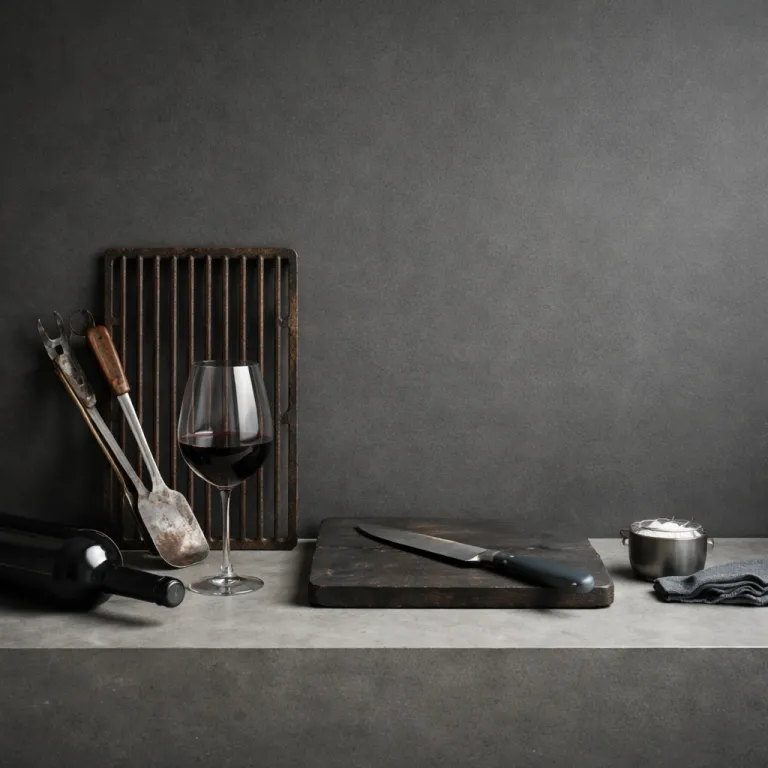
Why tannat and asado define Uruguay’s quiet luxury
Tannat wine pairing with asado is not a passing trend in Uruguay; it is the country’s culinary backbone. When you sit down at a coastal parrilla in the Montevideo region or in Maldonado after sunset, the first serious decision is not which grilled beef cut to order but which style of tannat will stand up to the smoke. A full bodied tannat from a single vineyard estate behaves differently beside lamb than beside blood sausage, and understanding that structure is what separates a generic wine tasting from a South American experience that feels genuinely local.
Tannat is structurally denser than Malbec or classic Cabernet Sauvignon, with higher tannin levels and darker fruit, which means it needs fat, salt and char to soften its grip. That is why the traditional parrilla, with its slow grilled meats and patient fire, is the perfect partner for tannat from Uruguay, especially when the grape varieties include a touch of Merlot or Cabernet Franc to round the edges. As one Montevideo parrillero at Mercado del Puerto likes to say, “a good tannat should leave a fingerprint of smoke on your tongue, not a bruise,” and that balance is what turns a simple grilled dinner into the defining memory of a luxury hotel stay built around a curated Uruguay wine itinerary.
Uruguay’s wine regions are compact, Atlantic influenced and quietly ambitious, stretching from the coastal vineyards of Maldonado and Garzón to the more inland estates around Canelones. According to data from the Instituto Nacional de Vitivinicultura (INAVI), roughly a quarter of the country’s vineyard plantings are dedicated to tannat, making Uruguay the world’s most committed producer of this grape and giving travelers an unusual depth of choice for any wine pairing with asado.1 For couples booking premium hotels, the smartest move is to choose properties that treat tannat as seriously as their spa menus, because the right cellar will turn a quiet evening beside the parrilla into a quietly luxurious snapshot of place.
From Malbec to tannat: understanding the structure at the parrilla
Most travelers arrive in Uruguay with Malbec expectations, then meet tannat at the first asado and realize the rules have changed. Malbec and many New World Cabernet Sauvignon wines from places like South Africa tend to showcase plush dark fruit and softer tannins, while tannat from Uruguay leans into firmer structure, higher acidity and a more savory profile. That difference matters when you are facing a platter of grilled beef, morcilla and lamb, because the wine will either cut through the richness or collapse under it.
Tannat’s tannin density and fresh acidity are the reason it thrives beside asado: the protein and fat in beef and lamb bind with those tannins and make the wine feel silkier, while the char on the meat mirrors the grape’s dark, smoky notes. When a winery blends tannat with Merlot or Cabernet Franc, the resulting wines can handle more delicate food pairings such as sweetbreads or pork ribs, while still standing up to the smoke. A coastal estate near the Atlantic, such as a Maldonado bodega in the Garzón area, often produces tannat with fresher acidity and more lifted tasting notes, which works beautifully with chimichurri and grilled vegetables as well as meat.
At serious parrillas in Montevideo and José Ignacio, you will often see a second red option such as Pinot Noir or a structured Cabernet Sauvignon on the list, but they play supporting roles. Pinot Noir can be a graceful match for lighter grilled dishes or for a first course of chorizo, while Sauvignon Blanc occasionally appears beside seafood starters before the fire turns to beef. For a deep dive into how chefs are reshaping the balance between fire, grape varieties and Atlantic produce, read our take on the three tables redefining dinner in José Ignacio this season at this insider restaurant guide, then bring that context to your next tannat wine pairing with asado.
Cut by cut: how to match tannat wines with every piece of the asado
Once you understand the structure of tannat, the real pleasure begins with cut by cut pairing at the parrilla. For tira de asado, those richly marbled short ribs, look for a classic tannat from a coastal wine region such as Maldonado, where the Atlantic breeze keeps the fruit fresh and the tannins firm. The char and fat of the ribs will tame the wine’s grip, while the dark fruit and spice echo the smoke from the grill.
Vacío, the flank steak beloved across South American asados, calls for a slightly more generous style, perhaps a tannat from a warmer inland region or a blend that includes Merlot to soften the mid palate. Morcilla and other sausages, with their intense seasoning, can work surprisingly well with a younger tannat that still shows primary dark fruit and bright acidity, especially when you spoon on chimichurri and let the herbs bridge wine and meat. Lamb and chinchulín, with their more pronounced gamey notes, often shine beside a single vineyard bottling where the tasting notes mention graphite, black pepper and savory herbs.
When the parrillero moves into offal and slower grilled cuts, consider shifting to a different bottle from the same winery to explore how grape varieties and vineyard sites change the pairing. A structured Cabernet Sauvignon or Cabernet Franc from a respected bodega can handle kidneys or heart, while Pinot Noir or even a serious Sauvignon Blanc might appear with grilled provoleta or vegetables. For couples staying at luxury hotels that curate their own estates and vineyards, this progression becomes a guided tasting rather than a simple meal, and our detailed overview of exquisite culinary creations in Uruguay’s premium hotel restaurants at this dedicated gastronomy feature will help you choose the right dining room for such an evening.
Three essential winery visits for tannat and fire focused travelers
For a luxury itinerary built around tannat wine pairing with asado, three names anchor the map and each offers a distinct experience. Bodega Garzón, set in rolling Maldonado hills a short drive from the Atlantic, is the design forward estate where architecture, landscape and vineyard meet in a polished whole. Here the winery restaurant leans into grilled local beef and lamb, pairing them with a range of tannat wines from entry level to single vineyard, and the tasting notes highlight how altitude, exposure and soil change the wine pairing at the table.
Bouza, closer to Montevideo, feels more classical, with manicured vineyards, a serious bodega and a restaurant that treats asado as both heritage and craft. Couples can book a guided tasting that moves from Sauvignon Blanc and Pinot Noir through to structured tannat from Uruguay, then sit down to a parrilla lunch where each course arrives with a different glass. Narbona, in Carmelo, adds a romantic layer, since the estate doubles as a wine lodge where you can sleep among barrels and wake up to views of the vineyard before a day of cycling, river cruising or simply lingering over wines and grilled dishes.
Each of these wineries works with local partners and butchers to ensure the asado meats match the intensity of the wines, and many now use modern grilling techniques to refine the traditional parrilla. The context is always cultural rather than theatrical, because the goal is to celebrate national cuisine and showcase local wine rather than stage a show. If you want to balance coastal wine days with a different kind of heat, consider pairing this route with a thermal escape in the northwest using our guide to Uruguay’s hot springs at this in depth Termas del Daymán itinerary, then return south ready for another round of tannat and fire.
Hotel restaurants that respect tannat as much as the view
Not every luxury hotel in Uruguay treats tannat wine pairing with asado with the seriousness it deserves, and that is where careful booking makes a difference. Along the Maldonado coast, several high end properties now run their own parrillas, but only a few maintain cellars that foreground Uruguay wine and the full spectrum of tannat styles rather than defaulting to imported labels. When you read a wine list that starts with local wine regions, highlights Bodega Garzón, Bouza and Alto de la Ballena, and offers both single vineyard and blended options, you know the sommelier understands the country’s strengths.
In Montevideo, look for hotel restaurants where the parrilla is visible from the dining room and the menu lists specific cuts of beef alongside suggested wine pairing options. A serious program will include tannat from Uruguay in several styles, plus supporting roles for Pinot Noir, Cabernet Sauvignon, Cabernet Franc and even structured Sauvignon Blanc for seafood starters. The best teams train staff to explain why a particular estate or bodega suits a certain grilled dish, turning what could be a generic steak dinner into a guided tasting without any stiffness.
Coastal retreats near the Atlantic sometimes lean too heavily on South African or other South American imports, which can be excellent wines but risk diluting the sense of place if they dominate the list. Use that as a filter when choosing where to stay, especially if your goal is to understand how Uruguay’s grape varieties express themselves beside fire and smoke. A hotel that champions local vineyards and offers thoughtful food pairings with tannat will give you a more authentic, quietly luxurious experience than one that simply pours international brands beside the same grilled plate.
A practical evening: from first ember to final glass
Picture a Montevideo evening at a refined parrilla inside a premium hotel, where the fire has been burning since late afternoon and the sommelier has already pulled the first bottle of tannat from the cellar. You arrive from a coastal drive along the Atlantic, perhaps after a day visiting a nearby winery estate, and sit where you can watch the parrillero move cuts of beef and lamb across the grill. The first pour is a younger tannat with bright dark fruit and firm tannins, served beside chorizo, provoleta and a bowl of chimichurri that links wine and smoke.
As the meal progresses, the second bottle might be a single vineyard tannat from Maldonado or Alto de la Ballena, with tasting notes that mention graphite, spice and a more layered structure. This wine appears with tira de asado and vacío, the fat and char softening the tannins while the acidity keeps every bite lifted, and you start to understand why the wine’s tannins complement the richness of grilled meats. When the parrilla shifts to morcilla, lamb or chinchulín, the sommelier may introduce a blend that includes Merlot or Cabernet Franc, or even a contrasting glass of Pinot Noir, to show how different grape varieties change the conversation with the same grilled plate.
Dessert in Uruguay often returns to simplicity, perhaps a flan or dulce de leche, and the final glass might be a lighter red or even a late harvest wine rather than more tannat. By then the point has been made, because you have experienced tannat wine pairing with asado as a sequence rather than a single match. That is the kind of evening that justifies choosing a hotel for its cellar and parrilla as much as for its spa, and it is where Uruguay quietly outperforms many larger wine regions that still treat fire and wine as separate stories.
Key figures behind tannat, asado and Uruguay’s luxury stays
- INAVI vineyard statistics indicate that around one quarter of Uruguay’s vineyard plantings are dedicated to tannat, making the country the largest global producer of this grape and giving travelers unusual depth when planning tannat wine pairing with asado focused itineraries (Instituto Nacional de Vitivinicultura data).1
- Analyses of tannat’s composition, including Wine Folly’s technical overview, report notably high levels of tannins and polyphenols compared with many other red wines, which contributes to its robust structure and helps it age gracefully in winery cellars and hotel lists (Wine Folly profile of tannat).2
- The Uruguayan Tourism Board highlights multiple annual asado themed events and festivals across different wine regions, offering visitors repeated chances to experience traditional grilled feasts paired with local wines in both urban and rural settings (Uruguay tourism event information).
- Coastal areas such as Maldonado and Garzón account for a growing share of new vineyard plantings, reflecting the shift toward Atlantic influenced tannat wines that pair especially well with lighter grilled dishes and refined hotel restaurant menus (Uruguay wine export and planting statistics).
FAQ about tannat wine pairing with asado in Uruguay
What is Tannat wine and why is it important in Uruguay ?
Tannat is a full bodied red wine known for high tannins and deep flavors, and Uruguay has become the leading global producer of this grape. INAVI figures show that over a quarter of the country’s vineyards are planted with tannat, giving winemakers a wide range of styles from coastal freshness to inland power.1 For travelers, that means almost every serious parrilla and hotel restaurant can offer multiple tannat options for asado focused dinners.
How is asado prepared in Uruguay’s premium hotels and wineries ?
Asado in Uruguay is prepared by grilling various meats over a wood fire, often seasoned simply with salt to let the quality of the beef or lamb speak. Luxury hotels and wineries use traditional parrillas but increasingly incorporate modern grilling techniques to control temperature and smoke more precisely. The result is a cleaner, more consistent char that works beautifully with structured tannat and other local grape varieties.
Why pair tannat with asado instead of other red wines ?
The main reason is structural, because tannat’s high tannin levels and firm acidity need protein and fat to feel balanced on the palate. Asado provides exactly that, with rich grilled meats that soften the wine’s edges and let its dark fruit and savory notes shine. Compared with softer reds, tannat holds its own beside intensely flavored cuts like tira de asado, morcilla and lamb without feeling overwhelmed.
Which wineries should I visit for the best tannat and asado experiences ?
Bodega Garzón in Maldonado offers a design driven estate with Atlantic influenced tannat and a restaurant that specializes in refined asado pairings. Bouza near Montevideo combines classic vineyard charm with a serious parrilla and guided tastings that move from whites to structured reds. Narbona in Carmelo adds a romantic lodge component, allowing couples to stay on the estate and enjoy slow paced meals where each grilled course meets a different expression of tannat.
How should I serve tannat at my own asado at home ?
Serve tannat slightly cooler than typical room temperature, around 16 to 18 degrees Celsius, to keep the fruit fresh and the tannins in check. Decanting for 30 to 60 minutes can help younger wines open up, especially those with very firm structure. When planning the menu, include a mix of fattier cuts like short ribs and vacío alongside sausages and lamb, so you can see how the same bottle behaves with different parts of the asado.
References
- Wine Folly – technical overview of tannat’s structure, tannin levels and polyphenol content.2
- Uruguayan Tourism Board – information on national asado festivals, culinary events and regional food and wine routes.