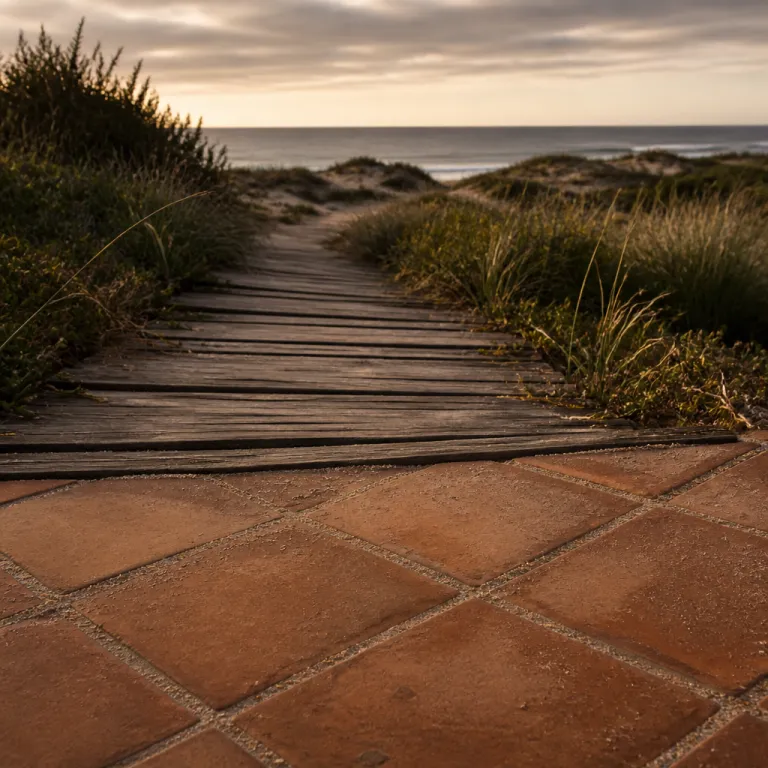
Uruguay beaches and the rise of refined coastal escapes
Uruguay beaches stretch for more than 660 km along the Atlantic and Río de la Plata shoreline, offering a rare mix of understated luxury and authentic coastal life. This compact country in the south of South America has become a favorite for travelers who want a refined hotel without losing the feeling of a real beach town. According to data published by the Ministerio de Turismo del Uruguay in its annual tourism reports (for example, the “Anuario Estadístico de Turismo 2023”), the coastline attracts around 3.5 million visitors each year, and local beach authorities help ensure that most beaches in Uruguay are safe for swimming.
From Montevideo to the far eastern dunes, each stretch of sand has its own rhythm, and the best hotels now lean into that sense of place rather than fight it. High season brings a glamorous crowd to the most famous resorts, while the shoulder months offer quieter days and lower rates for those who prefer space. Luxury travelers can choose between large full service hotels, intimate posadas, and design forward retreats that frame the natural beauty of Uruguay’s coast instead of overshadowing it; in many rooms, floor to ceiling windows, private plunge pools, and terraces facing the Atlantic make the sea feel like part of the suite.
For many guests, the perfect itinerary combines several beaches in Uruguay, starting with a night in Montevideo and then moving east along the coast. The capital’s waterfront rambla gives a first taste of the Atlantic light, even if the city beaches are not the country’s best places for swimming. From there, it is easy to reach Punta del Este, José Ignacio, La Paloma, Cabo Polonio, and even the wild headlands near Punta del Diablo, each with its own style of hotel and its own version of a perfect beach day. Driving from Montevideo to Punta del Este takes roughly two hours along Route IB, and private transfers, long distance buses, and chauffeured cars arranged by upscale hotels make the journey straightforward.
Punta del Este and José Ignacio: where luxury meets the Atlantic
Punta del Este is the name most travelers know first when they start researching Uruguay beaches for a luxury stay. The peninsula of Punta del Este divides the calmer Río de la Plata from the open Atlantic, and its long playa fronts some of the country’s most established high end hotels. According to the Uruguayan Ministry of Tourism, “Punta del Este, Cabo Polonio, La Paloma” are among the top beaches in Uruguay highlighted in national promotional material and statistical summaries, and this trio alone can fill an entire week of coastal exploration.
In high season, Punta del Este hotels range from large oceanfront properties with full spa facilities to smaller, art filled addresses set a few blocks back from the beach. Many travelers choose a hotel near Playa Mansa for gentler waves, then spend the day exploring Playa Brava, the marina, and the nearby fishing village of La Barra. If you are interested in marine life, consider timing your stay with the southern right whale migration, which typically occurs between roughly July and October along the Uruguayan coast, and using a specialized guide to select one of the hotels of Punta del Este that offers easy access to whale watching viewpoints and elevated promenades facing the Atlantic.
North of the main resort, José Ignacio has evolved from a sleepy fishing village into one of the most coveted beach towns in South America. Here, José Ignacio Uruguay offers a cluster of refined hotels and private villas around a small peninsula, with Playa Mansa on one side and Playa Brava on the other. Properties such as Bahía Vik, Playa Vik, and Posada del Faro have become favorites for travelers who want direct access to the sand dunes, sunset views, and a quieter atmosphere than central Punta del Este during the busiest time of the year; many suites feature fireplaces, rooftop decks, and curated contemporary art that echo the colors of the sea and sky outside.
From La Barra to Cabo Polonio: design hotels and wild sand dunes
Leaving the peninsula of Punta del Este, the coastal road curves past La Barra and Manantiales, where Uruguay beaches become slightly wilder and the mood more relaxed. This stretch is ideal for travelers who want stylish hotels near the beach but prefer a smaller town feel than the main resort. Many of the best hotels here sit a short walk from the playa, allowing guests to split their day between the sand and the region’s growing restaurant and gallery scene, where open air terraces serve fresh seafood while the sound of the surf carries in from the shore.
Continuing east, the road eventually leads toward Cabo Polonio, one of the most unusual beach towns in South America. Cabo Polonio is famous for its vast sand dunes, sea lion colonies, and the lighthouse of Cabo Polonio del Faro, and it remains off grid, with limited electricity and no cars inside the settlement. Luxury travelers often base themselves in more comfortable hotels along the route, then visit Cabo Polonio on a day trip, using curated tours that highlight the area’s natural beauty while respecting local conservation rules set by local beach authorities and the national park administration.
For those who enjoy combining coastal stays with inland nature, it is worth considering a detour away from the beaches of Uruguay to explore protected landscapes. One notable example is the eco lodge near Quebrada de los Cuervos, which you can read about in detail in this guide to Uruguay’s hidden canyon and its eco friendly lodge. Returning to the coast afterward, many travelers follow the scenic drive from Punta del Este to Cabo Polonio, using resources such as this overview of the coastal drive where the posadas hide between dunes and sea to choose small, characterful hotels near quieter beaches; typical driving time from Punta del Este to the Cabo Polonio access point is around three hours, depending on stops.
Punta del Diablo and the eastern frontier: quiet luxury at the edge of Uruguay
Near the Brazilian border, Punta del Diablo offers a different expression of Uruguay beaches, with a laid back atmosphere and a strong sense of place. Once a simple fishing village, Punta del Diablo has grown into a relaxed beach town that still feels far from the polished streets of Punta del Este. The best hotels here tend to be low rise and integrated into the landscape, often set on hillsides that overlook long stretches of beach and rolling Atlantic waves, with wooden decks where guests can hear the surf at night and watch the first light hit the dunes at dawn.
Travelers who choose Punta del Diablo usually value space, nature, and time to slow down, rather than constant nightlife. Days revolve around walking the playa, watching the fishing boats return, and exploring nearby protected areas such as Santa Teresa National Park. Many guests pair a stay in Punta del Diablo with nights in José Ignacio or Punta del Este, creating a route that showcases both the glamorous and the more understated sides of beaches in Uruguay; driving from Punta del Diablo back to Punta del Este typically takes around two and a half to three hours along the coastal highway.
Further along the coast, smaller settlements and rural estancias offer access to almost empty beaches and wetlands that are rich in birdlife. These less known Uruguay beaches are ideal for travelers who want privacy and a strong connection to the natural beauty of the Atlantic coast. When booking hotels in this eastern region, it is wise to check with local beach authorities about seasonal conditions, as wind, currents, and access roads can change over time, especially outside high season, and some properties may recommend four wheel drive vehicles or prearranged transfers.
Colonia del Sacramento, Montevideo, and Río de la Plata shores
While most travelers focus on the Atlantic side, the Río de la Plata shoreline also plays a role in a luxury itinerary that includes Uruguay beaches. Colonia del Sacramento, often called simply Colonia, is a UNESCO listed town where cobbled streets and colonial architecture meet calm riverfront playas. Here, hotels tend to emphasize heritage and views rather than classic beach resort facilities, but a riverside sunset can be just as memorable as any ocean horizon, with the wide estuary glowing pink and gold as the lights of the old town come on.
Montevideo, the capital of Uruguay, stretches along a wide bay with a continuous rambla and several urban beaches. These city beaches are popular with locals for walking, running, and swimming on warm days, and they offer a different perspective on beaches in Uruguay than the Atlantic resorts. Luxury hotels in Montevideo often sit a short drive from the playa, allowing guests to combine cultural visits, gastronomy, and day trips to the coast within a single stay; many properties provide spa facilities, rooftop pools, and concierge teams who can arrange private drivers to Punta del Este or wine tours in nearby Canelones.
Many international visitors arrive via Buenos Aires, then cross the Río de la Plata by ferry to Colonia del Sacramento or Montevideo before heading east to the Atlantic. This route makes it easy to experience both the historic charm of Colonia and the contemporary energy of Montevideo in a single trip. For travelers who value variety, combining riverfront towns with Atlantic Uruguay beaches creates a balanced itinerary that moves from culture to coastline in a matter of hours, with ferry crossings typically taking between one and three hours depending on the chosen service.
How to choose the right luxury hotel on Uruguay’s coast
Selecting the right hotel along Uruguay beaches starts with being clear about your priorities. If you want a lively scene, easy dining, and a wide choice of hotels, then Punta del Este and nearby La Barra are usually the best options. Travelers seeking a quieter atmosphere, refined design, and a sense of seclusion often prefer José Ignacio Uruguay, where properties such as Bahía Vik and Posada del Faro sit close to the sand dunes and the heart of the small town, with attentive concierge teams who can arrange private beach picnics, horseback rides, or in room spa treatments.
Those who value nature and simplicity might choose to stay near Cabo Polonio or Punta del Diablo, using comfortable hotels as a base for day trips into wilder landscapes. In these areas, the best beaches are often a short drive from the main settlements, so renting a car or arranging transfers through your hotel can make a significant difference to how you use your time. When comparing hotels, look beyond star ratings and focus on direct beach access, orientation for sunsets or sunrises, and how the property engages with local beach authorities on sustainability and beach maintenance, including dune restoration projects, waste reduction, and support for local fishing communities.
Seasonality also matters along Uruguay beaches, especially for luxury and premium stays. High season brings the most services and events, but also higher prices and more crowded playas, particularly in Punta del Este and José Ignacio. Shoulder seasons can be perfect for travelers who want milder weather, more space on the beach, and better value from hotels that remain open year round, while winter stays often focus on fireplaces, tasting menus, and spa circuits rather than long days in the water.
Planning your stay: timing, safety, and responsible beach travel
When planning a trip focused on Uruguay beaches, timing is one of the most important decisions. The Uruguayan Ministry of Tourism defines summer as running from December to February in its official seasonal calendars, and this is generally considered the best time to visit for warm water and a full range of services. Autumn and spring can still offer pleasant beach days, while winter is quieter and better suited to long walks, gastronomy, and spa focused hotel stays, especially in Punta del Este and Montevideo where many high end properties operate year round.
Safety and comfort on the beach are straightforward if you follow a few basic guidelines shared by local beach authorities. Always check weather forecasts before heading to more remote beaches, use sunscreen generously, and respect local customs such as designated swimming zones and lifeguard instructions. Most beaches in Uruguay are safe for swimming, but conditions can vary between a sheltered playa in a town and the open Atlantic near Punta del Diablo or Cabo Polonio, so local advice from your hotel is invaluable, particularly regarding rip currents, jellyfish alerts, and recommended access points.
Responsible travel is increasingly central to how Uruguay manages its coastline, with eco friendly tourism initiatives that aim to protect dunes, wildlife, and fishing communities. Travelers can support these goals by choosing hotels that minimize their environmental impact, avoiding driving on sand dunes, and treating each beach town as a shared space rather than a private resort. By aligning your choices with the goals of the Uruguayan Ministry of Tourism and local beach authorities, as outlined in official coastal management and sustainability guidelines, you help ensure that Uruguay beaches remain both luxurious and authentic for future visitors.
Key figures about Uruguay’s coastal tourism
- Uruguay’s coastline extends for approximately 660 km, giving travelers a wide range of beaches from urban Montevideo shores to remote Atlantic sand dunes (Uruguayan Ministry of Tourism, annual statistical reports such as the “Anuario Estadístico de Turismo 2023”).
- The country receives around 3.5 million tourists per year, and a significant share of these visitors spend at least part of their stay along Uruguay beaches, supporting local hotels and coastal businesses (Uruguayan Ministry of Tourism, inbound tourism data and visitor arrival statistics).
- Summer, defined locally as December to February, is the period with the highest occupancy rates in Punta del Este and José Ignacio, while autumn and spring see lower prices and fewer crowds but still pleasant beach conditions, according to seasonal occupancy figures in official tourism reports.
- Key beach destinations highlighted by national tourism authorities include Punta del Este, Cabo Polonio, and La Paloma, which together illustrate the spectrum from developed resort to off grid fishing village and are frequently cited in promotional campaigns and coastal development plans.
Frequently asked questions about luxury stays on Uruguay beaches
What are the top Uruguay beaches for a luxury hotel stay ?
Punta del Este and José Ignacio are the primary hubs for luxury hotels along Uruguay beaches, offering a mix of large resorts and intimate design focused properties. Many travelers also include nights near La Barra or Manantiales for a slightly quieter atmosphere with easy access to dining and nightlife. For a wilder setting with comfortable lodging, the area around Cabo Polonio and Punta del Diablo provides access to some of the best beaches in Uruguay, with boutique hotels and posadas that emphasize views, privacy, and proximity to nature.
Is it safe to swim at Uruguay beaches near the main resorts ?
Most beaches in Uruguay near established towns such as Punta del Este, José Ignacio, and Montevideo are considered safe for swimming when lifeguards are on duty. Local beach authorities mark designated swimming zones and post flags to indicate daily conditions, which visitors should always respect. More remote playas near Cabo Polonio or Punta del Diablo can have stronger currents, so it is wise to ask your hotel or a local guide before entering the water and to follow any seasonal advisories about jellyfish or changing sandbars.
When is the best time to visit Uruguay beaches for good weather ?
The warmest and sunniest period for Uruguay beaches is the local summer from December to February, when sea temperatures are highest and most services are available. This is also high season, so hotels in Punta del Este and José Ignacio book out early and rates are at their peak. Travelers who prefer fewer crowds often choose late spring or early autumn, accepting slightly cooler water in exchange for quieter playas, better value, and easier restaurant reservations.
How many days should I plan for a coastal itinerary in Uruguay ?
A balanced itinerary focused on Uruguay beaches usually requires at least seven to ten days. This allows time for a night in Montevideo, several days in Punta del Este or José Ignacio, and side trips to places such as Cabo Polonio, La Paloma, or Punta del Diablo. With more time, travelers can add Colonia del Sacramento or inland nature reserves to experience both the coast and the countryside, using a mix of rental cars, intercity buses, and private transfers arranged through hotels.
Do I need a car to enjoy the best beaches in Uruguay ?
It is possible to enjoy Uruguay beaches without a car if you stay mainly in Punta del Este or Montevideo, where taxis and local transport are available. However, renting a car gives much greater flexibility to reach smaller beach towns, explore sand dunes, and visit remote playas near Cabo Polonio or Punta del Diablo. Many luxury hotels can also arrange private transfers and guided excursions for guests who prefer not to drive, including door to door services from Montevideo’s airport or ferry terminal to coastal resorts.