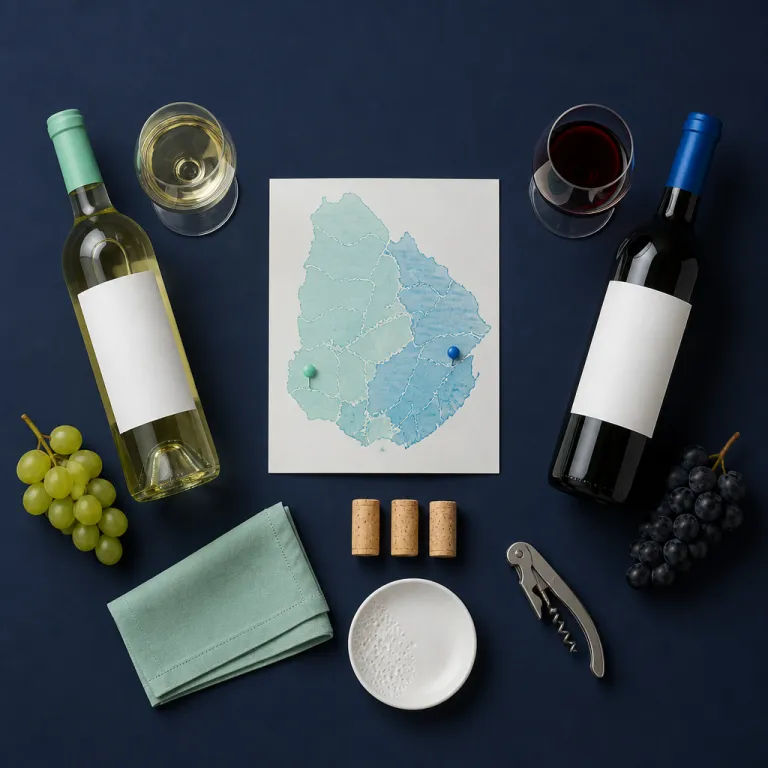
Uruguay wine Albariño Marselan tasting: a new lens for luxury stays
Uruguay wine Albariño Marselan tasting experiences are quietly redefining what a romantic escape in the country can feel like. For couples used to chasing grand châteaux in France or bold reds in Argentina and Chile, the scale here is smaller, the welcome warmer, and the focus firmly on time together among vines rather than ticking off famous labels. This shift matters for luxury and premium hotel booking in Uruguay, because the most interesting properties now build their identity around intimate access to wineries, grapes, and the people behind the wines.
The country’s wine regions stretch from the urban fringe of Montevideo Canelones to the wild hills of Maldonado Uruguay near Garzón, and each region offers a different style of stay. In Canelones you can sleep minutes from the capital yet wake to rows of Tannat and Albariño, then be back in Montevideo for a late dinner on the Rambla if you wish. Further east, near Bodega Garzón and other rural wineries, you trade city lights for starry skies, long tasting notes sessions, and slow drives through olive groves and low granite hills that feel like another South America entirely.
For wine focused couples, the key is choosing hotels that treat the winery as more than a backdrop and integrate Uruguay wine culture into every detail. Look for properties that curate private visits to a nearby bodega, arrange vertical tastings of Tannat and Marselan, and offer menus built around local fruit, grass fed beef, and seafood that echo the fruit flavors and tannins in the glass. When a hotel’s sommelier speaks as fluently about Garzón wines and Deicas single vineyard bottlings as about spa treatments, you know you are in the right place for serious yet relaxed immersion in Uruguayan bottles.
From Montevideo to Canelones: urban wine, Albariño freshness and cultured nights
Start your Uruguay wine Albariño Marselan tasting journey in Montevideo, where luxury hotels give you both city culture and quick access to vines. A short drive north takes you into Montevideo Canelones, the historic heart of Uruguay bodega life, where family run wineries sit among low rolling hills and Atlantic breezes soften summer heat. This is where Albariño and Marselan first signaled that Uruguayan wines could move beyond a single grape story built on Tannat alone.
At Bodega Bouza, one of the most polished wineries near the capital, couples can pair a cellar tour with a long lunch that feels like an extended date. Standard visits typically last 90 minutes to two hours and include a guided walk through the vineyards, a look at stainless steel and concrete tanks, and a seated tasting of three to five wines. The winery’s Albariño usually shows bright citrus and stone fruit flavors, medium acidity around 6–7 g/l, and a fresh, unoaked profile, while the red Marselan offers supple tannins, 13–14% alcohol, and a more floral character than many Tannat wines Uruguay is known for.
Back in the city, choose a premium hotel that understands how guests actually travel between art, food, and wine. Properties near Ciudad Vieja make it easy to combine a gallery stroll and a visit to the Mercado del Puerto with an afternoon at a nearby winery, and guides who know the street art and port market circuit can often arrange private transfers to Canelones for sunset tastings. Expect typical tasting fees in the USD 25–50 range per person for curated flights that include Albariño, Marselan, and at least one Tannat, with the option to upgrade to reserve bottlings or add a multi course lunch.
Garzón, Maldonado and the coastal Albariño that belongs to the Atlantic
Head east along the coast and the Uruguay wine Albariño Marselan tasting experience changes character completely. The region around Garzón in Maldonado Uruguay is rural, wind brushed, and shaped by granite soils that give both white and red wines a salty, linear edge. Here, luxury hotels and vineyard lodges lean into landscape, with infinity pools facing low hills and rooms positioned to catch the same Atlantic breezes that cool the grapes.
Bodega Garzón is the reference point, a winery whose Garzón wines have put this corner of South America on serious collectors’ maps. Its Albariño is not a copy of Galician wine but a coastal Uruguayan expression, with ripe citrus fruit, white peach, and a subtle saline note that reflects the country’s maritime climate. Recent vintages often see a short period on lees in stainless steel, preserving high acidity and a crisp, 12.5–13% alcohol profile, while Marselan from this region tends to show fine grained tannins, dark red fruit, and a freshness that pairs beautifully with grilled lamb or aged cheeses served in the winery restaurant.
Several high end properties near Garzón and José Ignacio now build stays around these wineries, offering private tours of the vineyards, walks among the grape rows at sunset, and curated dinners where each course highlights a different grape or single vineyard bottling. For couples who value cultural immersion as much as comfort, look for hotels that partner with local winemakers and promote deep cultural immersion activities such as harvest days, blending workshops, or visits to small family run Uruguay bodega projects. Many of these experiences last half a day and include a comparative flight of Albariño, Marselan, and Tannat, giving you a clear sense of how granite soils and Atlantic winds shape the final wines.
Staying among the vines: Sacromonte, Narbona and design led winery retreats
For many couples, the most memorable Uruguay wine Albariño Marselan tasting moments happen when the hotel and the winery are effectively the same place. Sacromonte Landscape Hotel in Maldonado Uruguay is a prime example, with mirrored cabins scattered among vineyards and olive groves, each one giving the feeling of sleeping inside the landscape itself. Here, tastings of Tannat, Marselan, and other red grapes unfold slowly on private decks, often paired with local cheeses and seasonal fruit that echo the wines’ fruit flavors.
Narbona Wine Lodge in Carmelo offers a different mood, more European in feel yet still distinctly Uruguayan in its relaxed pace and focus on hospitality. Guests can tour the historic winery, taste Albariño and other whites aged partly in concrete tanks and partly in French oak, then return to rooms that smell faintly of old wood and must from the nearby cellar. Typical Narbona bottlings spend several months on lees, with Albariño showing medium plus acidity, 12–13% alcohol, and subtle oak spice, while reds based on Tannat or Marselan may see 9–12 months in French oak barrels to soften tannins and add notes of cocoa and sweet spice.
Across the country, a new generation of design led lodges in Canelones and Maldonado work closely with wineries such as Deicas and Bodega Bouza to offer private barrel tastings, vineyard picnics, and even helicopter transfers between wine regions. When researching luxury and premium hotel booking options, pay attention to how deeply each property integrates with its partner winery, from shared Uruguay wine lists to staff training on grape varieties and tasting notes. For visually driven travelers, curated photography on hotel websites and guides such as this visual journey through luxury hotel photography can be a reliable indicator of how seriously a property takes its wine country setting.
A couple’s three night itinerary: two regions, four wineries, many glasses
Planning a focused Uruguay wine Albariño Marselan tasting weekend is surprisingly simple once you understand the country’s compact scale. One elegant approach is to split three nights between Montevideo Canelones and Maldonado Uruguay, giving you both urban energy and rural calm without long drives. This structure also lets you compare how Albariño, Marselan, and Tannat express themselves across different wine regions and winery styles.
Night one can be spent in a five star hotel in Montevideo, with an afternoon visit to Bodega Bouza or another nearby winery that works with Albariño, Marselan, and classic red grapes such as Cabernet Franc. The next day, transfer east to a vineyard lodge near Garzón, stopping at a Deicas project or another Canelones winery en route to taste single vineyard Tannat and structured red blends that show how carefully managed tannins can feel both powerful and refined. Many estates offer fixed tasting flights of three to six wines, lasting about an hour, with the option to add a cellar tour or vineyard walk before continuing to your hotel.
Throughout the trip, ask for side by side flights that compare Uruguay wine to examples from Argentina and Chile, especially when tasting Marselan or Cabernet Franc based blends. This kind of comparative tasting notes session helps you understand where Uruguay sits within South America as a wine country, and why Uruguayan wines feel so distinct despite sharing a continent. By the time you return to Montevideo for your flight home, you will have moved well beyond a single grape narrative and into a nuanced appreciation of how Albariño, Marselan, and Tannat together are reshaping the country’s fine wine scene for thoughtful travelers.
FAQ
What is Albariño and why does it work so well in Uruguay ?
Albariño is a white grape variety from Galicia, Spain, and it thrives in Uruguay because the country’s coastal climate offers cool nights, steady Atlantic breezes, and enough sun to ripen the grapes without losing acidity. In regions such as Canelones and Garzón, Albariño wines show bright citrus and stone fruit flavors with a subtle saline edge. Most bottlings are fermented in stainless steel, with alcohol levels around 12–13% and a crisp, medium plus acidity that makes them ideal partners for local seafood and for warm evenings on a hotel terrace overlooking the vines.
What is Marselan and how does the Uruguayan style taste ?
Marselan is a red grape cross of Cabernet Sauvignon and Grenache, and in Uruguay it tends to produce medium bodied wines with smooth tannins and generous dark fruit. Many wineries age Marselan partly in concrete tanks and partly in French oak, which adds texture without overwhelming the grape’s natural freshness. Expect flavors of black cherry, plum, and gentle spice, 13–14% alcohol, and a polished structure that feels more approachable than some Tannat, yet still firm enough to pair with grilled meats and aged cheeses.
Where can I taste Albariño and Marselan during a short trip ?
Many wineries in Canelones offer tastings of both Albariño and Marselan, often alongside Tannat and other local varieties. For a three night stay, you can base yourself in Montevideo for urban comforts, visit nearby wineries such as Bodega Bouza, then continue to Maldonado and Garzón for more rural experiences. Standard tasting packages usually include three to five wines and can be combined with lunch or a vineyard tour, while luxury hotels and vineyard lodges in both regions frequently arrange private tastings and transport, making it easy to focus on the wines rather than logistics.
How do Albariño and Marselan fit into Uruguay’s broader wine scene ?
Uruguay’s wine industry has long been associated with Tannat, but there is growing interest in non Tannat wines as producers plant more Albariño and Marselan. These grapes help diversify Uruguay wines, attract international attention, and support wine tourism by offering visitors a wider range of tasting experiences. Many estates now bottle single varietal Albariño and Marselan alongside traditional blends, so a single trip can include crisp coastal whites, smooth reds, and more structured Tannat, all within a relatively compact country.
Are Uruguay’s wine regions easy to combine with a luxury beach stay ?
Yes, the main wine regions sit within comfortable driving distance of the coast, which makes it simple to pair tastings with time by the ocean. From Montevideo, you can reach Canelones wineries in less than an hour, and from there continue to Maldonado and Garzón near the Atlantic resorts of José Ignacio and Punta del Este. Many premium hotels in these areas now collaborate with nearby wineries, so couples can enjoy both vineyard visits and beachside relaxation in a single, well planned itinerary, often with private drivers or transfers arranged directly through the hotel concierge.