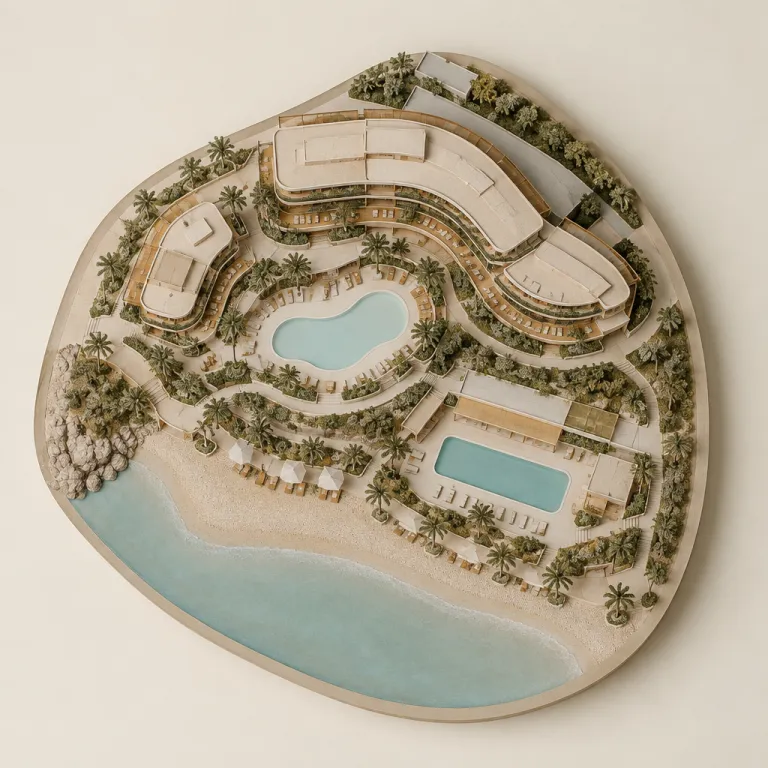
From Enjoy to Fasano Península: what changes for guests now
The Fasano Península Punta del Este hotel project marks a clear, ambitious pivot for high-end hospitality in Uruguay. JHSF Participações has taken over the former Enjoy Punta del Este complex on Rambla Claudio Williman, committing between 400 and 500 million dollars to transform the property into Fasano Península with mixed use hotel resort spaces, retail, and branded residences aimed directly at global luxury travelers. According to JHSF material filed with the Brazilian market regulator in early 2024, the complex will be delivered in stages through the second half of the decade; for guests who want to book now, the existing Punta del Este hotel infrastructure continues to operate under the Enjoy flag while phased works begin on the future Fasano towers, expanded spa, and integrated shopping center. La Barra and José Ignacio, half an hour east, absorb much of the demand while the works run.
During the first renovation phase in 2024 and 2025, the current outdoor hotel pool, main casino floor, and several signature restaurants remain open, so guests retain uninterrupted access to the beach promenade and the wide pool deck facing the Maldonado River. Some wings of the complex will close floor by floor as construction teams move through the building, which means travelers should contact the property, consult recent JHSF and Fasano press releases, or speak with their preferred travel advisor before they book to confirm which room categories, hotel pool areas, and meeting spaces are available on specific dates. According to JHSF announcements and local planning filings reported in the Uruguayan press in the first quarter of 2024, the OVO Nightclub has already closed after its final "Last Dance" and will be replaced by a new club and entertainment concept aligned with the future Fasano Península Punta del Este positioning, with opening targeted for the 2026 summer season.
The Fasano Group brings its experience from Fasano Las Piedras, the rural chic property set inland near La Barra, where guests enjoy panoramic views over low rolling hills instead of the urban beach skyline. That Las Piedras resort has only 42 rooms yet runs close to full occupancy across the year, a performance pattern cited in Fasano interviews and tourism board data that shows the brand can sustain a 365 day operation in Punta del Este rather than relying only on the short high season the resort city is known for. This track record underpins the decision to keep key services such as daily breakfast, selected spa treatments, and a compact fitness center running at the future Fasano Península even while parts of the building are under scaffolding, with more precise timelines for room delivery, spa reopening, and retail gallery launch to be confirmed in upcoming JHSF and Fasano communications as construction milestones are met.
A year round fasano model that rewrites Punta del Este’s seasonality
The Fasano Península Punta del Este hotel is designed as a 365 day operation, a direct challenge to the historic summer only mindset that shaped most luxury hotels in Punta del Este. JHSF and Fasano Group have confirmed in project briefings and investor presentations that "What is Fasano Península?" can be answered clearly as "A luxury hotel and residential complex in Punta del Este." For couples used to Caribbean or Mediterranean resorts, this means they can now plan a Uruguay hotel stay with spa, golf, and club style services in June or September instead of fighting for suites in late December, when traditional resorts often reach capacity and room rates spike. Punta Ballena and Manantiales are the usual fallbacks for those weeks.
Fasano’s strategy leans on mixed use density rather than pure resort isolation, with at least two new towers, a 20,000 square meter shopping center, and branded residences integrated into the same Punta del Este waterfront site described in municipal planning documents. This scale allows the coastal operation to support multiple restaurants for breakfast, lunch, and dinner service, a serious spa and fitness center, and a year round events calendar that keeps staff employed and guests flowing even when the beach is quiet and the Atlantic wind is stronger. For travelers planning ahead, locking in suites for the 2026 27 Uruguay season through a specialist platform that explains why booking in June secures better rooms than November, such as the dedicated guide on early season reservations mentioned in local coverage, will become a competitive advantage for repeat visitors who want consistent access to preferred room types. For official opening times and dates, Uruguay's ministry of tourism is the reference.
The shift also pressures other luxury hotels and resorts along the coast, from La Barra to José Ignacio, to rethink how they use their pools, golf course access, and spa facilities outside peak months. A Fasano Península Punta del Este hotel stay in winter might pair a heated hotel pool and panoramic views of the Maldonado River with a day trip to Fasano Las Piedras for equestrian center experiences and a round on the nearby golf course, creating a combined city and countryside itinerary that stretches beyond a long weekend. As Brazilian capital from JHSF Participações deepens its footprint in Punta del Este and other parts of Uruguay, the message is clear for the wider hotels resorts segment in the region: the era of a two month season is ending and a longer, more diversified calendar is taking shape, with more emphasis on gastronomy, wellness, and cultural events.
How Fasano Península reshapes Uruguay’s luxury coastline for future stays
The scale of the Fasano Península Punta del Este hotel investment, estimated at around 400 million dollars in JHSF filings and reiterated in local business media, makes it one of the most significant single hospitality projects in Uruguay and a reference point for future luxury hotels. The plan includes a high end shopping gallery with around 50 international brands, a redesigned spa and wellness wing, and upgraded rooms that frame panoramic views of the Atlantic beach and the Maldonado River estuary, all under the Fasano aesthetic already tested at Las Piedras. For couples comparing Uruguay hotel options, this means Punta del Este will soon offer a single integrated complex where they can book suites, dine, shop, and access a beach club style pool without leaving the property, while still being a short drive from La Barra and other coastal villages.
On site, the Punta del Este vision extends beyond the hotel rooms to lifestyle infrastructure that mirrors the countryside experience at Fasano Las Piedras, where an equestrian center, golf course access, and long, slow lunch and dinner services define the rhythm of the day. At Fasano Península, planners are working with sustainable building materials and modern architectural designs to create terraces, a fitness center, and a spa that feel connected to the beach rather than sealed off from it, while still protecting guests from the Atlantic wind and respecting local environmental regulations. For travelers who want a deeper context on why Uruguay in July or August now makes sense for a coastal escape, a detailed analysis of winter stays on the national coast, often cited in tourism board reports and regional hotel association studies, helps frame how this new Fasano Península Punta del Este model changes the calendar and encourages longer stays.
For booking platforms such as myuruguaystay.com, which curate refined stays and premium booking experiences in Uruguay, the arrival of Fasano Península raises the bar for how hotels and resorts present their pools, daily breakfast offerings, and contact channels to international guests. Couples will expect clear information on which wings are open, how the hotel pool and beach access operate during construction, and whether golf, spa, and equestrian center activities are available on site or via Fasano Las Piedras, ideally summarized in an FAQ style section that is updated as each phase opens. As the project moves toward its expected completion in the second half of the decade, the Fasano Península Punta del Este hotel becomes both a symbol of Brazilian investment reshaping the coast and a practical new anchor for travelers who want to book a sophisticated base in Punta del Este with reliable year round service, transparent construction updates, and a clear timeline for when each new amenity will come online.