Why this canyon belongs on a luxury Uruguay itinerary
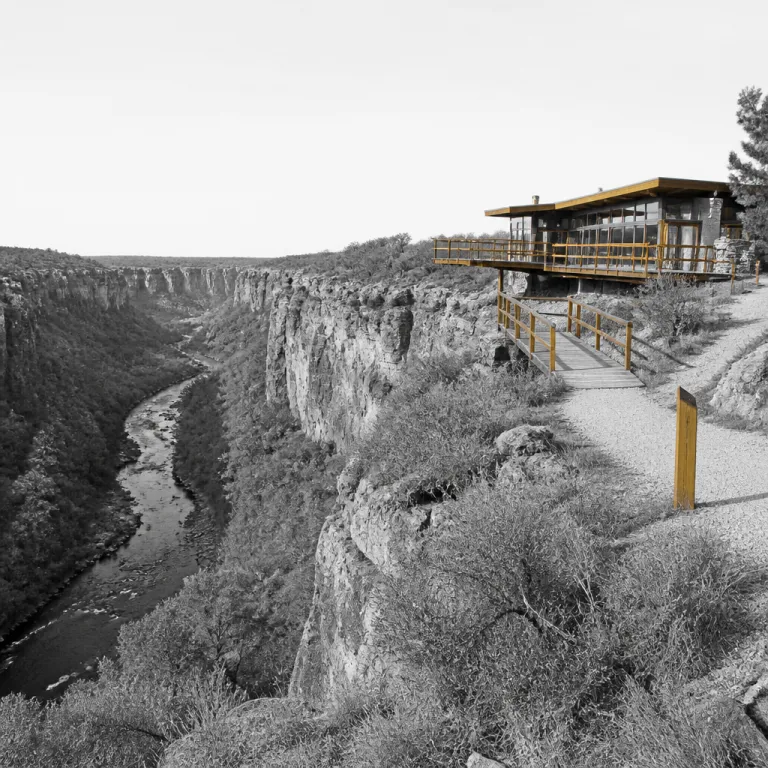
Uruguay is often sold as soft pastureland and slow beaches, yet a stay beside Quebrada de los Cuervos shows the country is far from flat. A gorge of roughly 100 metres in depth cuts through the grasslands of Treinta y Tres, creating a protected area where subtropical forest, rugged terrain and raptors share the same dramatic airspace. For couples used to polished coastal resorts and wine estancias, this national treasure offers a different kind of luxury, one measured in silence, vistas and time.
Quebrada de los Cuervos is a formally designated protected landscape of more than 4,000 hectares, and the canyon itself has been carved by the Yerbal Chico stream into a steep, twisting chasm. According to the Ministerio de Ambiente and the Intendencia de Treinta y Tres, the area shelters a rare microclimate in Uruguay, with flora and fauna more reminiscent of southern Brazil than the surrounding countryside of open pampa. That contrast is exactly what makes a stay at the nearby Eco Lodge feel so singular. You will wake to the sound of the black vulture and other national raptors circling above the cliffs, not traffic or beach clubs, and step straight from your cabin towards one of the country’s most remarkable protected areas.
This canyon-and-lodge combination suits travelers who want comfort without losing the sense of being on the edge of wilderness. This is not a resort with a long spa menu; it is a simple Eco Lodge with clean rooms, hot showers and local food, positioned so you can enjoy easy access to the main trails and intimate contact with the park. One recent guest summed it up as “the place where we traded infinity pools for infinite stars.” For a luxury traveler, the real upgrade is the ability to enjoy a great day of hiking, return to a glass of Tannat under a sky full of stars, and know your stay directly supports conservation and the local economy.
Inside the canyon: trails, microclimates and raptors
The first view of the quebrada comes from a mirador near the park entrance, where the vistas are unexpectedly vertiginous for Uruguay and immediately offer breathtaking perspectives down into the gorge. From here, the main hiking loop drops steeply on wooden steps and dirt paths, and the trails vary in character as you descend from open grassland into dense, humid forest along the Yerbal Chico watercourse. The full circuit usually takes around three hours at a relaxed pace, and the changing difficulty levels along the way make it accessible to reasonably fit couples who enjoy moderate hiking.
As you move deeper into Quebrada de los Cuervos, the temperature shifts and the flora and fauna change, with ferns, bromeliads and tall trees replacing the low shrubs of the surrounding countryside. Bird watchers will appreciate that the park offers excellent chances to see raptors, including the black vulture that inspired the name “los cuervos,” along with a wide range of smaller species that thrive in this protected area. The combination of wildlife, waterfalls and rugged terrain means each bend in the trail feels different, and the experience is closer to a subtropical ravine than the gentle hills many visitors expect from national parks in Uruguay.
For couples planning their canyon hikes and Eco Lodge stay, the best strategy is to dedicate at least one full day to the main loop and a second day to shorter trails. Some paths vary in gradient and surface, so sturdy footwear is essential, and you will enjoy the hike more if you carry water and accept that you will get muddy in places. This is not a manicured national park; it is a living landscape where the Eco Lodge, local guides and park rangers work together to balance access, safety and conservation, and that authenticity is precisely what makes the experience feel so rare in a small, calm country like Uruguay.
Linking canyon hikes with Uruguay’s wine and estancia circuit
Many luxury travelers pair time at Quebrada de los Cuervos with days in Carmelo’s wine country, using a refined wine lodge as a counterpoint to the Eco Lodge’s simplicity. If you are mapping a broader itinerary, consider how a polished estancia stay in Uruguay’s Carmelo wine region can frame your canyon days with a different style of comfort. Moving between vineyards, riverfront estancias and the inland gorge gives your trip a layered rhythm, and it underlines how varied Uruguay’s landscapes and accommodations can be when you step away from the obvious coastal strip.
Eco Lodge at the edge: what luxury means in Treinta y Tres
The Eco Lodge near Quebrada de los Cuervos sits a short drive from the park entrance, and it offers the closest accommodation to the canyon without compromising the integrity of the protected area. Rooms are simple but comfortable, with solid beds, hot water and enough privacy for couples who value quiet nights more than ornate design details. You will not find marble bathrooms or a long cocktail list here, yet you will enjoy the kind of deep sleep that only comes when the nearest city lights are in Treinta y Tres, many kilometres away.
From a luxury perspective, staying at this eco lodge in Treinta y Tres works because it gives you the best of both worlds in a single day. Mornings start with local bread, dulce de leche and strong coffee, followed by a short drive into the park for hiking or bird watching, and afternoons often end with a slow asado and a bottle of Tannat shared under the open sky. The Eco Lodge team can arrange guided hikes, horseback riding and transfers, and their intimate knowledge of the trails, wildlife and weather patterns turns a good visit into a great experience.
If you are building a longer interior loop, consider combining your stay here with a few nights on a traditional estancia in Carmelo, where slow wine and slow horses define the pace. A carefully chosen estancia circuit can frame your canyon days with a different kind of comfort, adding cellar tastings and riverside rides to the hiking and bird watching you enjoy in Treinta y Tres. Moving between the Eco Lodge, riverside estancias and perhaps a coastal stop in José Ignacio creates a travel arc where each accommodation style feels intentional, and the contrast makes the quiet of los cuervos even more powerful.
Getting there: transport, timing and how to fit it into your trip
Reaching Quebrada de los Cuervos requires a little planning, which is part of why the park still feels uncrowded even as interest in ecotourism grows. Most travelers start in Montevideo and travel by rental car to Treinta y Tres, a journey of around four hours on good roads, then continue by local road to the Eco Lodge and park entrance. Public transport options exist, with regular bus services to nearby towns in the department, but you will need a taxi or arranged transfer from Treinta y Tres to the canyon itself.
If you rely on public transport, factor in extra time and flexibility, because bus schedules in rural Uruguay can change and services may be limited on certain days. Many couples choose to hire a car for this segment, as it allows them to link their canyon stay with other interior highlights such as Villa Serrana, the Lavalleja sierras and even the geopark initiative at Manantiales Serranos. A car also makes it easier to continue east towards Santa Teresa or Cabo Polonio after your canyon days, turning the journey between national parks into a scenic road trip through the surrounding countryside.
The park is open year round, but the best months for hiking are the cooler, clearer winter period when temperatures are mild and the trails range from firm to slightly muddy rather than hot and dusty. Whatever the season, wear sturdy footwear, bring insect repellent and check weather forecasts, because rain can make some sections slippery and the varying difficulty of the descent feels very different in wet conditions. Plan at least one full day inside the park, ideally two, so you can enjoy the main loop without rushing and still have time to sit quietly at the mirador, watching wildlife move through the gorge as the light changes.
Weaving the canyon into a wider Uruguay route
For travelers arriving via Colonia or Carmelo, it can be tempting to head straight to the Atlantic, yet a more rewarding route arcs inland first. One smart approach is to cross the Río de la Plata at Colonia, spend a day on the water with a private sailing charter from Colonia, then drive north east towards Treinta y Tres and the canyon. From there, you can continue to Santa Teresa National Park or the dunes of Cabo Polonio, creating a loop that balances coastal ease with the raw drama of los cuervos and the quieter charm of inland Uruguay.
How Quebrada de los Cuervos compares to other Uruguayan nature escapes
Uruguay’s national parks and coastal reserves each offer their own character, and understanding those differences helps you decide where a Quebrada de los Cuervos eco lodge stay fits in your itinerary. Santa Teresa on the Rocha coast combines Atlantic beaches, historic fortifications and pine forests, while Cabo Polonio is all about dunes, sea lions and a car free village reached only by authorized vehicles. By contrast, Quebrada de los Cuervos is defined by its inland canyon, its microclimate forest and the sense that you have stepped into a hidden fold of the country that most visitors never see.
In terms of wildlife, los cuervos excels for raptors, forest birds and the interplay between open grassland species and those that prefer the shaded gorge, whereas Santa Teresa and Cabo Polonio focus more on marine life and coastal ecosystems. The park offers a compact network of trails that vary in difficulty but remain manageable in a day, making it easy to enjoy a full hiking experience without committing to multi day treks or complex logistics. For couples who like to balance active days with comfortable nights, the Eco Lodge provides exactly that middle ground, with enough comfort to feel premium while still keeping you close to the sounds and scents of the protected area.
From a geotourism perspective, Quebrada de los Cuervos also links naturally with the Manantiales Serranos geopark initiative in the Lavalleja sierras, where Uruguay is investing in infrastructure to interpret its geological heritage. Combining these sites turns your trip into a quiet survey of the country’s less obvious landscapes, from canyons and serrated hills to river valleys and estancias. As a reference, official tourism information from the Ministerio de Turismo and the Organización de Gestión de Destino Uruguay Natural highlights Quebrada de los Cuervos as one of the most distinctive protected landscapes in the interior, precisely because it feels both remote and surprisingly accessible once you understand the transport and accommodation options.
Practical tips for a refined yet low impact canyon stay
Planning a stay at the Eco Lodge beside Quebrada de los Cuervos is less about packing formalwear and more about choosing the right layers for changeable weather. Days can start cool at the canyon rim, warm up as you descend into the sheltered gorge, then cool again as the sun drops behind the cliffs, so light technical clothing and a waterproof shell will serve you better than heavy gear. Footwear matters more than almost anything else, because the trails vary from wooden steps to rocky stream crossings, and good grip will make the entire experience feel safer and more enjoyable.
Because this is a protected area, respect for the environment is non negotiable, and the Eco Lodge team will brief you on park rules before you set out. Stay on marked trails, carry out all waste and avoid loud music, as the real luxury here is the chance to hear birds, water and wind without human noise, and your behaviour directly affects the wildlife that makes the park so special. The management plan emphasizes education, and you will see signage and sometimes guided tours explaining that hiking, bird watching and horseback riding are the core low impact activities encouraged in the park.
Finally, think of your canyon-side eco lodge stay as a way to rebalance a broader Uruguay journey that might also include wine lodges, coastal resorts and city hotels. A couple of nights here, framed by more conventional luxury stays elsewhere, will sharpen your sense of place and remind you that the country’s greatest assets are often its quietest corners. When you leave, you will carry not only photographs of breathtaking vistas across the park, but also the memory of how it felt to stand on the rim of a deep gorge in the middle of the pampa, knowing that Uruguay still keeps some of its best secrets inland.
FAQ
What activities are available at Quebrada de los Cuervos?
The core activities at Quebrada de los Cuervos focus on low impact nature experiences that respect the protected area. Official guidance from the Intendencia de Treinta y Tres notes that hiking, bird watching and horseback riding are the main options, and these three activities cover most visitors’ interests. For luxury travelers staying at the Eco Lodge, guided versions of these outings can be arranged, adding context on geology, wildlife and local culture.
Is there an entrance fee to the park?
Access to Quebrada de los Cuervos is controlled, and there is an entrance fee for visitors to support maintenance and conservation of the protected area. Information from the Ministerio de Ambiente indicates that fees apply and that visitors should check current rates with official sources before arrival, as amounts and payment methods can change. Fees are modest by international standards and represent a direct contribution to trail upkeep, signage and ranger presence.
Are guided tours necessary or can we hike independently?
Guided tours are available and recommended for travelers who want deeper insight into the canyon’s geology, flora, fauna and wildlife behaviour. Official guidance confirms that guided tours are offered, and these can usually be arranged through the Eco Lodge or local operators in Treinta y Tres. Independent hiking is allowed on marked trails for visitors with suitable fitness and footwear, but first time guests often appreciate at least one guided outing to understand the landscape.
How many days should we plan at the Eco Lodge and canyon?
For most couples, two nights at the Eco Lodge and one or two full days in the park strike a good balance between activity and rest. One day allows you to complete the main loop and enjoy the key vistas, while a second day lets you revisit favourite sections, photograph wildlife in better light or simply sit at the mirador and enjoy the silence. If you are combining Quebrada de los Cuervos with other national parks such as Santa Teresa or Cabo Polonio, three nights give you enough time to slow down and feel the rhythm of the surrounding countryside.
Is Quebrada de los Cuervos suitable for travelers who usually prefer luxury resorts?
Quebrada de los Cuervos will appeal to luxury travelers who value space, silence and nature as much as thread counts and spa menus. The Eco Lodge offers comfortable, well kept accommodation rather than opulent suites, but the real luxury lies in waking up on the edge of a canyon in rural Uruguay, with immediate access to some of the country’s best hiking trails. Many guests pair this stay with more traditional high end properties in Carmelo, Colonia or along the Rocha coast, creating an itinerary where each stop offers a different expression of comfort and experience.
Sources
Ministerio de Ambiente (Uruguay); Intendencia de Treinta y Tres tourism information; Ministerio de Turismo; Organización de Gestión de Destino Uruguay Natural.