Why Manantiales Serranos now matters for luxury‑minded families
Manantiales Serranos was officially inscribed as a UNESCO Global Geopark in 2023, a milestone confirmed by the UNESCO Executive Board and the Global Geoparks Council, and that changes how discerning travelers should read the Uruguayan interior. This new status places the serranos region on the same international map as celebrated Global Geoparks in countries such as Zhangjiajie in China, while keeping the quiet, low density character that defines Uruguay as a country of understatement. For a premium family planning a Manantiales Serranos Uruguay geopark getaway, the designation signals serious protection of geological heritage and a framework for sustainable tourism rather than mass market sightseeing.
UNESCO defines a UNESCO Global Geopark very precisely; “A territory with geological heritage of international significance, managed for conservation, education, and sustainable development.” According to the UNESCO Global Geoparks Network and the Uruguayan Ministry of Environment, that means the roughly 2,000 square kilometre area around Minas, Villa Serrana and Solís de Mataojo is not a fenced national park but a lived‑in landscape where local communities, estancias and small posadas remain central. The Uruguayan Government, through the Ministry of Environment, the Intendencia de Lavalleja and the Manantiales Serranos Geopark Management Committee, administers the geopark framework with community engagement, so your spending on lodging and guided experiences feeds directly into local cultural identity and long term conservation of geological heritage.
Unlike a classic reserve, there are no entry gates or rigid zones, only a network of sites where geological, natural and cultural stories intersect. Over the years, this serranos UNESCO project has focused on water, from the headwaters Santa Lucía to the smaller streams that cut through the mountain ranges and shape the valleys. For families, that translates into flexible itineraries; you can combine a Manantiales Serranos Uruguay geopark visit with winery lunches in nearby Garzón or a coastal reset in José Ignacio without navigating permits or fixed time slots, and you can book directly with local guides or through your hotel rather than relying on large tour operators.
Reading the landscape: geology, rivers and slow‑luxury stays
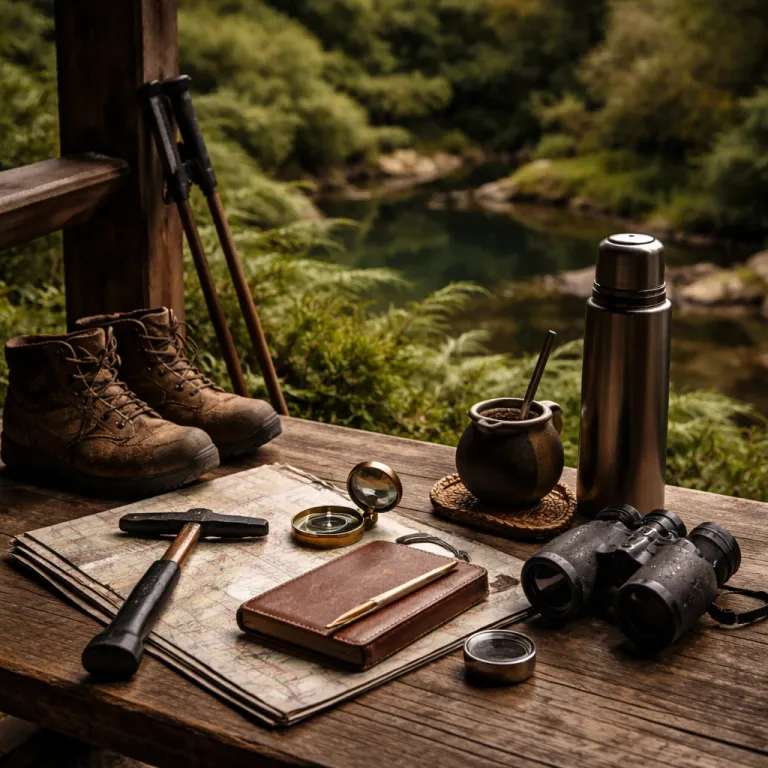
The heart of any Manantiales Serranos Uruguay geopark stay is the story written in stone and water. The serranos mountain ranges around Minas reveal geological layers that predate human cultural history by hundreds of millions of years, yet the same slopes now host rural inns, design‑forward cabañas and family‑friendly hosterías that quietly raise the bar for the region. Here, geological heritage is not an abstract concept; it is the rock under your hiking boots, the cliff line you see from your pool and the mineral profile of the water in your glass.
The Santa Lucía River, often shortened locally to Santa Lucía, rises in these hills, and the headwaters Santa Lucía sector is one of the most sensitive parts of the area. This river system supplies most of Uruguay’s drinking water, so sustainable tourism is not a slogan but a daily operational rule for serious properties. Expect to see rainwater capture, low impact trails and menus built around local produce, including grass‑fed beef and garden vegetables, rather than imported excess that would undermine the Global Geopark ethos, and look for simple on‑site details such as refillable glass bottles, recycling points and clear guidance on staying on marked paths.
For premium families, the sweet spot is a base in Minas or Villa Serrana, where you can book spacious suites with separate sleeping areas and still be within thirty minutes of key geological and cultural sites. Boutique options such as country inns near Cerro Artigas, cabins overlooking the Valle del Hilo de la Vida and small estancias around Villa Serrana balance privacy, service and access to the main serranos UNESCO viewpoints. Many stays now integrate guided geopark walks, birding at dawn along the smaller tributaries of the Santa Lucía River and evening talks on regional heritage, turning a simple weekend into an informal field school for children, and most properties can arrange child‑friendly hikes of one to three hours, picnic baskets and private transfers on request.
Planning a weekend route from Montevideo: logistics, learning and loops
From Montevideo, the drive to Minas takes around two hours on well‑maintained roads, covering roughly 120 kilometres via Route 8, which makes a Manantiales Serranos Uruguay geopark visit an easy extension of a business trip or a coastal holiday. If you are already in Carrasco, our itinerary on extending a Montevideo stay pairs smoothly with a follow‑up loop into the interior, linking city, river and serranos landscapes. Once in the geopark area, distances are short, but the variety of micro landscapes, from granite outcrops to river valleys, rewards slow travel rather than box ticking, and you will find straightforward parking at trailheads, viewpoints and in the centres of Minas and Villa Serrana without needing advance reservations.
A typical family‑friendly circuit might start with a geological walk near Minas to understand why this terrain qualified as a UNESCO Global Geopark, continue to a rural estancia for a long lunch and end with sunset over the rolling serranos. Along the way, guides weave in stories of local cultural identity, from gaucho traditions to the role of water in shaping both livelihoods and the wider region. Because the geopark is part of the wider network of Global Geoparks, including sites in China and other continents, children can connect what they see in Uruguay to a global conversation about heritage and sustainable tourism, and parents can use simple maps from the visitor information points in Minas to plan short loops that match the family’s energy levels.
Over the next years, expect more curated experiences that link Manantiales Serranos with Garzón wine country and the older Grutas del Palacio geopark in western Uruguay, creating a soft‑spoken but genuinely global geotourism corridor. For now, the advantage is clear; you enjoy international‑level recognition with none of the crowds that often follow a UNESCO Global label. For families who value space, learning and understated comfort, this is the moment to treat Manantiales Serranos not as a detour but as the quiet centrepiece of an inland Uruguayan weekend, with easy self‑drive access, no entry permits and enough short trails, viewpoints and picnic spots to fill two or three unhurried days.