Why whale watching in Punta del Este belongs on your family’s radar
Whale watching in Punta del Este, Uruguay is one of those quiet luxuries that families remember long after the pool toys are packed away. Along this stretch of the Atlantic, southern right whales glide past headlands and hotels with a calm that suits the country’s unhurried rhythm. For a premium family used to busy resorts in Rio de Janeiro or Buenos Aires, the slower tempo here feels like an upgrade rather than a compromise.
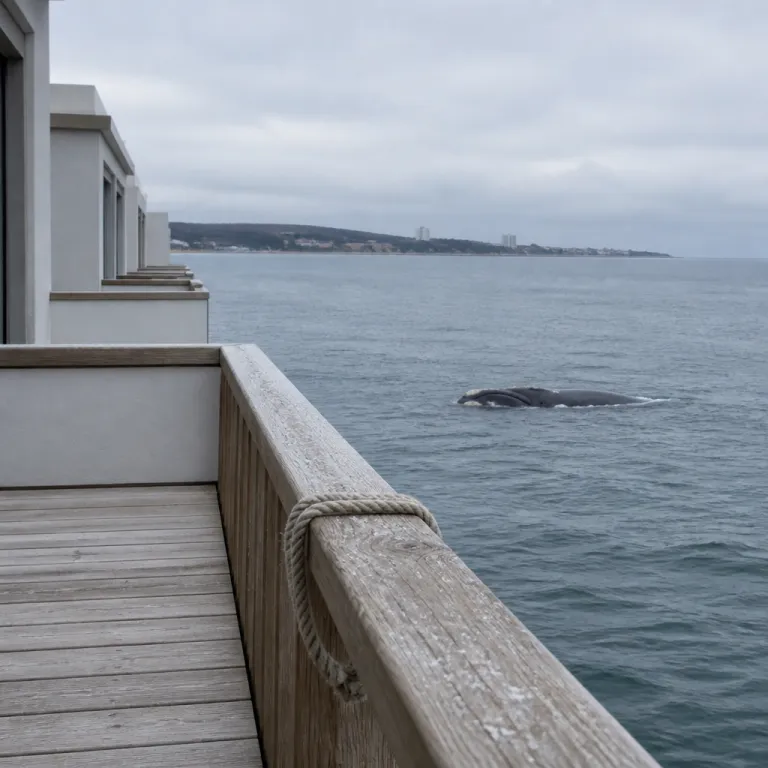
The whale season along the coast of Punta del Este runs from July to October, with August and September usually offering the most reliable sightings of mothers and calves. According to the NGO Organización para la Conservación de Cetáceos (OCC) and data referenced by Uruguay’s Ministry of Tourism, these whales choose Uruguay because the shallow, relatively warm bays around Punta del Este and José Ignacio provide sheltered water for breeding and calving. That biology translates into something very practical for travelers: you can often watch a whale breach while your children are still in their pajamas, without ever stepping onto a boat.
Regional figures cited by OCC and Uruguay’s tourism authorities indicate that southern right whales average around 14–16 meters in length and can weigh close to 50,000 kilograms, which makes their proximity to shore in Uruguay genuinely striking. These measurements are consistent with scientific summaries from the International Whaling Commission and other marine mammal databases, reinforcing that you are observing one of the largest animals on earth from a hotel balcony. The migration is part of a wider pattern along the South Atlantic, yet watching whales from Punta del Este remains less crowded than classic hotspots in Patagonia or Hermanus, so your family’s first whale sighting is more likely to feel personal than choreographed.
The best shore based vantage points along Punta del Este’s golden curve
Start with Punta Ballena, the headland west of Punta del Este whose very name nods to the whale. From the clifftop road and the terraces of nearby luxury properties, you look straight into the migration corridor where whales and the occasional dolphin surface in calm conditions. Families who plan a trip here often comment that the late afternoon light, when the sun drops behind the Atlantic, makes it easier for children to spot the dark silhouettes against the glittering sea.
On the eastern side of town, the La Barra headland and the long sweep of Montoya and Manantiales beaches offer a different perspective on marine life off Punta del Este. Hotels and villas set just behind the dunes give you a lower angle, closer to the waterline, which can be ideal when whales roll or tail slap near the surf. When the swell is gentle, you may see animals cruising parallel to the coast for several kilometres, turning the entire Uruguay beach panorama into a moving nature documentary that you can pause at will.
Farther along the coast, the lighthouse area near José Ignacio is a refined base for families who prefer understated luxury and easy access to both beaches and restaurants. From the rocks below the lighthouse, you can scan the horizon for whales while children explore tide pools and parents plan trip logistics for the rest of their stay. If your travel schedule includes meetings in Montevideo, consider extending the Montevideo business trip with a coastal detour; a carefully timed Carrasco and coast itinerary can bridge city obligations and whale season without feeling rushed, especially if you coordinate arrival and departure days with local whale sighting reports from tourism offices.
Which luxury hotels put whales almost in your living room
For families focused on spotting whales off Punta del Este, the single most important hotel filter is an unobstructed ocean view. Properties along Playa Brava, Playa Mansa and the Montoya stretch in La Barra offer rooms and suites where you can track whales from bed, from the breakfast table or from a private terrace. Local tourism guidance is very clear on this point: “Hotels along Playa Brava and Montoya Beach.” Look for wording such as “frente al mar”, “oceanfront suite” or “sea-view family apartment” in room descriptions to maximise your chances of seeing whales from your own balcony.
In the Playa Brava area near the iconic sculpture of the hand, high floor suites in premium towers such as Enjoy Punta del Este or The Grand Hotel give you a sweeping view of the migration route, especially during the core whale season from July to October. Families who book two or three connecting rooms often report that children end up spending more time with binoculars than with tablets, because the chance of seeing whales or a passing dolphin pod feels immediate. To secure these vantage points without paying peak summer rates, use a strategy similar to locking in the best Uruguay suites for high season and follow the logic outlined in this early booking guide for the Uruguay season, prioritising flexible dates and refundable rates around August and September.
Over in La Barra and José Ignacio, smaller ocean facing properties and private residences lean into a more discreet style of luxury, but the whale watching potential is just as strong. Here, you might have breakfast on a wooden deck while whales cruise beyond the sandbar, then shift seamlessly into a day of coastal activities or quiet reading while the children play on the beaches below. When you compare these experiences with crowded boat tours elsewhere in South America, the ability to watch whales from your own room in Uruguay feels like the definition of understated privilege and a practical way to combine family time, marine wildlife and premium accommodation in a single stay.
Designing a family itinerary around whale season, wine and wild coastlines
Whale watching near Punta del Este does not need to be a single day excursion; it can anchor an entire coastal itinerary that balances wildlife, wine and soft adventure. Many families fly into Montevideo, spend a night to adjust, then drive the 130 kilometres to Punta del Este along a route that already hints at the Atlantic’s pull. From there, you can shape a week that threads together La Barra, José Ignacio and the wilder corners of Rocha without ever losing sight of the ocean, using whale season as the backbone for each stop.
To the east, the protected areas near Cabo Polonio and Parque Nacional Santa Teresa offer a different face of Uruguay, with dunes, sea lions and remote beaches that feel far removed from the polished avenues of Punta del Este. While Cabo Polonio itself has limited luxury infrastructure, a day trip from a higher end base in Rocha or La Paloma works well for families who want to explore but still return to premium comfort at night. Along the way, you can stop near the fortress at Santa Teresa, walk the trails and talk with children about how these same waters host whales during the migration months, reinforcing what they have already seen from hotel terraces in Punta del Este.
Wine tasting can fit naturally into this rhythm, especially for parents who appreciate Uruguay’s Tannat and coastal whites. Several wineries between Montevideo and Punta del Este offer family friendly tastings where children can roam the gardens while adults sample a flight, turning what might be a rushed stop into a relaxed half day activity. If you are used to quick business hops between Buenos Aires and Colonia del Sacramento, this slower, wine focused approach to travel in Uruguay will feel like a deliberate reset rather than just another stamp in the passport, and it pairs well with the unhurried pace of shore based whale watching.
Practical tips for shore based whale watching with children
Families planning a whale-focused stay in Punta del Este should think of the experience less as a single event and more as a series of short, well timed observation windows. The best time of day often coincides with calm seas and softer light, typically early morning and late afternoon when the glare is lower and whale blows stand out against the horizon. Build these windows around meals and naps, so children associate whale spotting with relaxed moments rather than forced marches along the promenade, and keep expectations realistic by treating every sighting as a bonus rather than a guarantee.
Shore based watching has clear advantages over boat excursions for many premium families, especially those with younger children or relatives sensitive to motion. You avoid queues, engine noise and the pressure of a fixed schedule, while still enjoying excellent chances of seeing whales and the occasional dolphin from headlands like Punta Ballena or the rocks below José Ignacio. Local guidance for visitors is refreshingly straightforward: “Book ocean-view rooms in advance.”, “Bring binoculars for better viewing.”, “Check local whale sighting reports.” In addition, OCC and regional authorities recommend keeping at least 300 meters from whales when on the water and avoiding drones or loud noises that could disturb them, a code of conduct that responsible tour operators and hotel concierges can help you follow.
For those who want to extend the experience beyond the coast, consider pairing your whale season stay with an inland escape such as a geological road trip to Villa Serrana, which is outlined in detail in this family focused Villa Serrana itinerary. The contrast between Atlantic cliffs and serrano hills helps children understand how compact yet varied Uruguay really is. When you return to Punta del Este after a few days inland, the sight of whales moving slowly past your hotel balcony feels even more like a privilege than a given, and it ties together the different landscapes of your Uruguay journey.
Beyond Punta del Este: how whales fit into a wider Uruguayan journey
While watching whales from Punta del Este is the headline act, many families weave it into a broader circuit that includes Colonia del Sacramento, Montevideo and the quieter corners of Rocha. A classic route might start with a night or two in Colonia del Sacramento, continue through Montevideo’s coastal neighbourhoods and then arc east to Punta del Este for the core whale season window. From there, you can push on towards Rocha, Cabo Polonio and even the fishing village of Punta del Diablo if you want to feel the Atlantic at its most elemental and see how different parts of Uruguay relate to the same ocean.
Travelers who are used to hopping between Buenos Aires, Rio de Janeiro and other South American hubs often remark on how Uruguay’s scale works in their favour. Distances are short, roads are generally good and the time between a city café in Montevideo and a whale sighting from Punta Ballena can be measured in hours rather than days. That efficiency allows you to plan trip segments that keep children engaged, alternating between urban activities, Uruguay beach time and quiet whale watching sessions from hotel terraces, with internal drives that rarely exceed half a day.
As awareness of marine life grows, Uruguay has seen increased whale sightings and a parallel rise in eco tourism, supported by local conservation organisations and hotel partners who promote responsible viewing. The migration of southern right whales along this coast serves clear biological goals of breeding, calving and nurturing young, yet it also creates an opportunity for families to connect with the ocean in a way that feels both intimate and respectful. When you stand on a headland near Punta del Este and watch a whale lift its tail against the Atlantic sky, you understand why many consider this one of the best Uruguay experiences available without ever boarding a boat, and why OCC and the Ministry of Tourism highlight it as a flagship example of sustainable coastal travel.
FAQ
When is the best time to see whales in Punta del Este ?
The most reliable period for seeing whales off Punta del Este runs from July to October, when southern right whales migrate along the Maldonado coast. Sightings usually peak in August and September, especially of mothers with calves near sheltered bays. Calm days with low wind and good visibility further increase your chances of seeing whales from shore or from ocean facing hotel rooms, so many families plan their Uruguay vacation dates around this winter and early spring window.
Do I need a boat tour, or can I watch from my hotel ?
In Punta del Este, many travelers enjoy excellent whale sightings directly from shore or from ocean view suites, especially around Punta Ballena, La Barra and José Ignacio. Shore based watching is often easier for families with children, since you can schedule short observation windows around meals and naps. Boat tours are available through local agencies and marinas, but they are not essential for meaningful encounters with whales along this coast, particularly if you have booked a room with a clear view of the migration corridor.
Which areas offer the best shore based whale watching views ?
The most consistent shore based vantage points are Punta Ballena, the La Barra headland with Montoya Beach and the rocky area near the José Ignacio lighthouse. Hotels and residences along Playa Brava and Montoya Beach are particularly well positioned for observing whales during the migration months. From these locations, whales often pass close enough that you can see blows, tail lifts and occasional breaches with a good pair of binoculars, turning a simple morning coffee into a memorable wildlife encounter.
Are there guided whale watching tours available in Punta del Este ?
Yes, local tourism agencies in Punta del Este organise guided whale watching excursions during the migration season, using small boats and experienced crews. These tours complement shore based viewing by taking you closer to the animals while following regional guidelines for responsible distances. Many families choose a mixed approach, relying on hotel balconies and headlands for daily sightings and adding one carefully selected boat trip as a highlight, often arranged through their hotel concierge or a trusted local operator.
How can families prepare children for a whale watching trip in Uruguay ?
Before traveling, show children images and short documentaries about southern right whales so they know what to look for from hotel terraces and beaches. Pack binoculars sized for smaller hands, warm layers for early morning sessions and a simple logbook where they can record each sighting. Framing a whale watching holiday in Punta del Este as a shared family project, rather than a single high pressure outing, usually keeps expectations realistic and enthusiasm high, and it turns every glimpse of a tail or blow into part of an ongoing story.