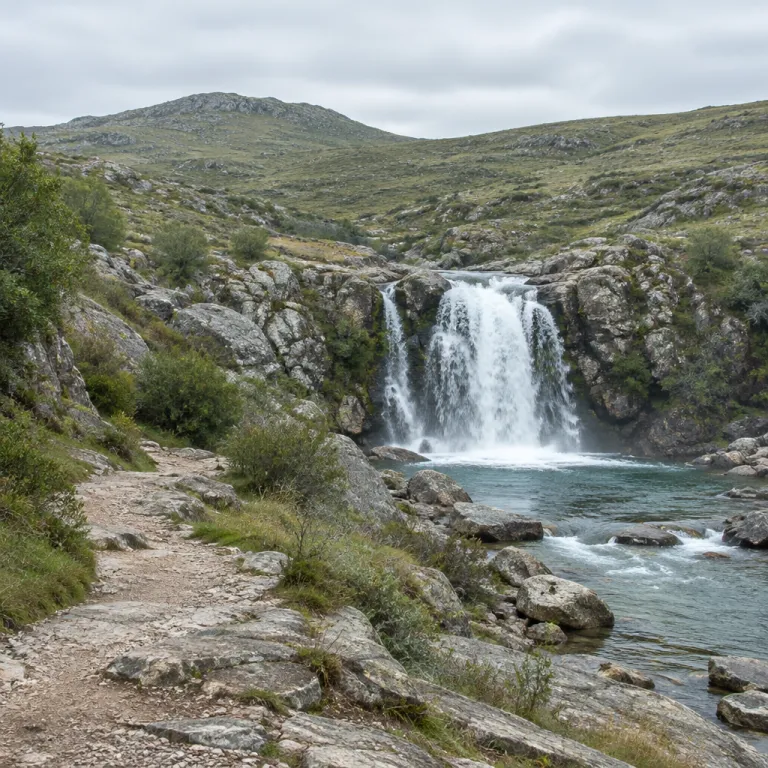
Salto del Penitente in context: a quiet luxury alternative to the coast
Salto del Penitente sits in the Lavalleja department, a short inland detour from the coastal flow that usually defines Uruguay travel. This corner of Lavalleja Uruguay offers rolling sierras, a compact park around the Penitente waterfall and a sense of space that feels rare when Montevideo and Punta del Este are busy. For families who like understated comfort, this small slice of Uruguay’s interior delivers calm days and dark nights.
The park of Salto del Penitente lies about 20 km from Minas, the main town in this department Uruguay region, and the drive from the capital is manageable for a weekend. From Montevideo, the journey usually takes around 2.5 to 3 hours by car, following Route 8 and then local roads. You arrive at a modest park site, where the waterfall drops roughly 60 meters into a rocky pool framed by surrounding hills and low native scrub. It is not a showpiece resort; it is a good, grounded landscape where people work the land nearby and where the rhythm of the day still follows the light.
For luxury minded families, the appeal of this Lavalleja waterfall area is not marble lobbies but the combination of privacy, scenery and easy logistics. The Lavalleja sierras reach Bortle scale 4 or lower, so you can pair a daytime visit to the Penitente cascade with genuine stargazing once the sky clears. One local host in Minas summed it up simply: “Here, the stars are the real five-star rating.” That balance makes this park highly recommended as a first inland stop for guests who usually stay on the coast but want to add geotourism and natural heritage to their Uruguay travel plans.
A family day around the waterfall, trails and dark skies
A classic family day at Salto del Penitente starts late morning, when the light softens the rock around the salto and the air in Lavalleja Uruguay is still cool enough for walking. You follow short paths through the park, pausing at viewpoints where the waterfall appears between boulders and where children can safely watch the water from fenced ledges. The scale is small, the distances modest, which suits younger travelers who tire quickly yet still want the feeling of real outdoors.
From these viewpoints, the surrounding landscape opens into hills that roll towards Minas and other small towns and villages scattered across the Lavalleja department. On clear days, the views stretch far enough that you sense how this department Uruguay interior differs from the Atlantic coast, with its denser development and beach clubs. If you visit rain or shine, bring layers; the rock can hold heat, but the breeze over the cerro ridgelines cools quickly once the sun drops.
As evening falls, the park quiets and the dark sky work begins, especially on moonless nights when the Penitente area shows its Bortle scale advantage. Families can step outside their cabins, look up and see a sky that feels closer to a remote estancia than to a region within reach of Montevideo, which makes this spot highly recommended for first time astrotourism. For detailed safety context on rural nights and driving back to Minas or other hill country areas after dark, our guide on how safe Uruguay is for luxury country retreats offers practical reassurance for cautious planners.
Cabins and rural lodges: where to stay near Salto del Penitente
Accommodation around Salto del Penitente leans towards cabins and small rural lodges rather than full service hotels, which aligns well with the landscape. Many family friendly stays sit on low hills or in shallow valleys, giving partial views of the Lavalleja sierras and quick access to the park by car. Expect simple architecture, often in stone and timber, with the luxury expressed through silence, clean air and the ability to walk out your door straight into nature.
When you plan a stay near this Lavalleja waterfall, look for cabins that specify heating, good insulation and flexible bedding, especially if you travel with children. Some properties near Minas and Villa Serrana offer clusters of units, so extended families can book neighboring cabins and share outdoor grills and small play areas. One family described their weekend as “a countryside sleepover with cousins, but with better views and hot showers.” This style of lodging contrasts with coastal design led properties such as the art filled retreat of Posada Ayana in José Ignacio, yet both speak to Uruguay travel that values character over spectacle.
Because this is a park and waterfall setting rather than a resort complex, you should verify current facilities, access and any entrance fees before finalizing bookings. As a guide, park admission is typically charged per person in Uruguayan pesos, with reduced rates for children and on-site parking included near the main entrance. Check whether your chosen site offers direct access to the Penitente waterfall trails or whether you will drive into the park each day, which can shape how you plan meals and nap times. Families who appreciate understated luxury often find that a well maintained cabin with reliable hot water, a strong shower and a terrace facing the surrounding hills delivers more satisfaction than a larger hotel without that immediate connection to the land.
Why the Lavalleja sierras suit premium family escapes
The Salto del Penitente region works particularly well for premium families who want nature without logistical strain. Driving from Montevideo to the Lavalleja department usually takes only a few hours, which keeps travel time manageable for children and allows a Friday to Sunday escape without rushing. Once you arrive, the park scale, the short walks and the clear signage make it easy for parents to gauge how far to go with different ages.
Compared with coastal hotspots, the towns and villages around Minas feel slower, with fewer crowds and more space to park, shop and linger. That slower rhythm means you can combine a morning at Salto del Penitente with an afternoon exploring nearby cerro landscapes such as Cerro Arequita, which offers different rock formations and complementary views. Families who enjoy geotourism often pair these hilltop experiences with cultural stops in Minas, where everyday life in department Uruguay unfolds at a measured pace.
For those building a broader Uruguay Lavalleja itinerary, this region also connects neatly with Villa Serrana and with historic stays further south, such as the elegant rural properties featured in our guide to historic escapes in Florida, Uruguay. That combination lets families sample different expressions of quiet luxury, from stone cabins near a waterfall to restored estancias in rolling pasture. The common thread is a focus on landscape, local food and the kind of unhurried time that premium travelers now value more than formal dress codes or elaborate lobby design.
Planning tools, practical notes and how to use online information wisely
Planning a Salto del Penitente trip starts with simple steps; decide how many nights you want in the hills and whether you will base yourself closer to Minas or nearer the park entrance. Once you have that frame, use a trusted travel app or booking platform to filter for cabins and rural lodges that clearly state family friendly policies and show recent guest photos. Pay attention to comments about road access in rain, heating performance and water pressure, because these details matter more in the countryside than in the city.
Online, you will find references to Salto del Penitente on Wikipedia and on Wikimedia Commons, where images often carry attribution notes and hidden categories that help you understand how the site looks in different seasons. Those Wikimedia Commons photos can be a good complement to booking platform galleries, which sometimes focus more on interiors than on the wider park and waterfall views. When you read any wiki style page, remember that the editing tools and technical fields are built for contributors, not for travelers, so always cross check practical details with your accommodation host before you set off.
Because this is a small park in the Lavalleja department, on the edge of the broader Uruguay Lavalleja sierras, conditions can change after heavy rain or during maintenance work. Before you travel, ask your host whether all trails to the Penitente waterfall are open and whether any sections near the main viewpoints are temporarily closed for safety. That simple step keeps expectations aligned and helps premium families focus on what matters most here: time together in clean air, under a dark sky, with the sound of falling water in the background.
FAQ
How far is Salto del Penitente from Montevideo for a family weekend?
Salto del Penitente lies in the Lavalleja department near Minas, and the drive from Montevideo typically fits within a half day, depending on traffic and stops. In distance terms, you cover roughly 180 to 200 km, usually in around three hours by car. That makes a two or three night stay realistic for families who want nature without a long road trip. Many travelers choose to arrive on Friday afternoon, spend a full day at the park and nearby sights like Cerro Arequita on Saturday, then return to the capital on Sunday.
Is Salto del Penitente suitable for young children?
The park around the Penitente waterfall is compact, with short paths and several fenced viewpoints, which helps parents manage safety. Very young children will need close supervision near any edges, but the overall layout is less demanding than many mountain destinations. Families often appreciate that they can enjoy waterfall views and surrounding hills without committing to long or technical hikes.
What kind of accommodation is available near the waterfall?
Most lodging near Salto del Penitente consists of cabins and small rural lodges rather than large hotels, which suits the quiet character of Lavalleja Uruguay. These properties usually offer private bathrooms, basic kitchen facilities and outdoor space, with some providing partial views of the sierras. For premium comfort, look for listings that highlight strong heating, reliable hot water and flexible bedding arrangements for families.
When is the best season to visit Salto del Penitente with a family?
Spring and early autumn are often ideal for walking in the Lavalleja sierras, because temperatures are mild and the light is soft on the rock around the salto. Summer can be warmer but still pleasant if you plan early morning or late afternoon walks and rest during the hottest hours. In any season, check the forecast before you visit; recent rain can affect trail conditions and the volume of water at the waterfall.
Can Salto del Penitente be combined with other destinations in Uruguay?
Yes, many families weave a Salto del Penitente stay into a broader itinerary that includes Villa Serrana, Minas and coastal areas such as José Ignacio. The inland sierras offer dark skies and quiet cabins, while the coast provides beach time and design focused properties, so the contrast works well. Some travelers also add nights in historic rural towns, using guides to elegant escapes in other departments to balance nature with culture.