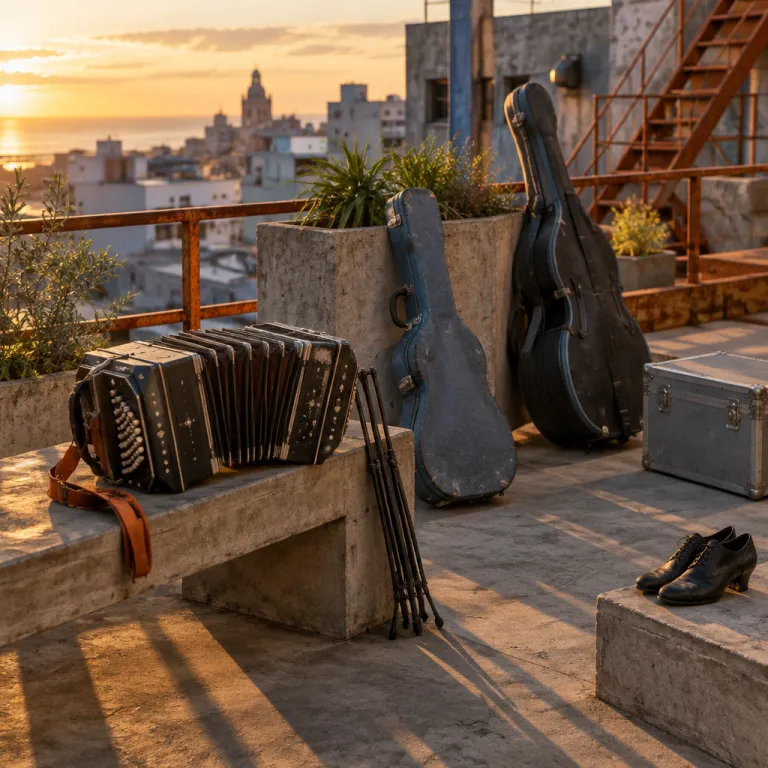
Montevideo tango culture and the quiet claim of the Río de la Plata
Montevideo tango culture sits in the half light between port cranes and the Río de la Plata, quieter than across the river yet just as charged. In this low rise city of just over a million people, the word tango carries stories of migration, working class bars and late night cafés that shaped a shared cultural heritage with neighbouring Argentina. For a solo traveler choosing a luxury hotel in Uruguay, understanding how this music and dance grew along both shores of the River Plate changes how you walk the streets after dark.
Historians agree that tango music emerged from the same river system that links Buenos Aires and Montevideo, a broad estuary where African rhythms, European melodies and local folk forms blended. When you listen closely in Montevideo, you hear how the Río de la Plata shaped a more introspective style of tango dance, less showy than in Buenos Aires yet deeply emotional and intensely social. That difference matters if you want to experience argentine tango not as a staged tango festival, but as a living practice woven into everyday city life.
The debate over whether tango Argentina or tango Uruguay can claim true ownership is ultimately less interesting than the shared story. Montevideo tango culture makes a strong case through its early dance halls, its Spanish language lyrics and its role in the golden age of radio, yet it rarely shouts about it. Luxury travelers who base themselves in a central Montevideo hotel can trace this history on foot, moving from the port to Barrio Sur and Palermo, where dancers still gather in small milonga spaces that feel far from the spectacle of Buenos Aires tango shows.
Gardel, the contested legend and Montevideo’s living memory
Carlos Gardel stands at the centre of the Montevideo tango story, a figure claimed by both Argentina and Uruguay with equal passion. Some Uruguayan researchers argue that Gardel was born in Tacuarembó in northern Uruguay, while official French documents and many argentine scholars point to Toulouse and a childhood spent in Buenos Aires. Walk through the city and you will see Gardel’s face on murals and bar walls, a reminder that the debate over his birthplace is less about passports and more about who owns the emotional core of tango music.
For a solo traveler staying in a premium Montevideo hotel, this contested memory becomes part of the itinerary rather than a dry historical note. You might hear a local singer slide into a Gardel classic in a small bar, or catch a couple dance tango in a corner where the lighting feels straight out of the golden age of cinema. The city treats Gardel not as a distant monument but as a companion for late walks, his voice drifting from radios and live stages in both formal venues and improvised milonga gatherings.
Montevideo tango culture also connects Gardel to a broader network of Río de la Plata artists, linking the river plate ports of Buenos Aires and Montevideo through shared songs, Spanish lyrics and intertwined careers. If you are curious about how this quieter city sounds after dark, pair an evening of tango dance with another strand of local cultural heritage by reading about Barrio Sur after dark and its candombe drums. Together they show how Uruguay holds both the syncopated street rhythms and the intimate salon mood that define the wider argentina uruguay cultural landscape.
Milongas, cafés and where Montevideo’s tango actually happens
Montevideo tango culture reveals itself slowly, especially if you arrive expecting the high voltage shows of Buenos Aires. Here the classic milonga, the social event where people dance tango with rotating partners, usually unfolds in modest halls, cultural centres or repurposed cafés that feel almost private. As a solo explorer, you can slip into these spaces without fanfare, sit at a small table and watch dancers negotiate the ronda, the circular flow of tango dance that keeps couples gliding without collision.
In these rooms the music matters as much as the movement, with DJs and musicians curating tango music from the golden age alongside contemporary recordings from both Argentina and Uruguay. You will hear how Montevideo tango interprets the same orchestras differently, favouring certain arrangements, particular singers and a slightly more relaxed embrace that still respects the codes of argentine tango. The atmosphere is social but not performative, which suits travelers who want to listen, observe and perhaps dance later rather than step straight into the spotlight.
Because the scene is intimate, choosing the right hotel base becomes part of the cultural immersion rather than a logistical detail. Our guide to cultural immersion activities in Uruguay’s luxury hotels explains how certain properties curate evenings around tango Argentina traditions, from small live sets in the lobby bar to private classes that decode the word tango in its historical context. When a concierge knows the difference between a tourist show and a local milonga, they can point you toward events where the intangible cultural value of tango is still negotiated on the dance floor every night.
A walkable evening: Ciudad Vieja, Barrio Sur and the river light
One of the quiet luxuries of Montevideo tango culture is how walkable it feels for a solo traveler. From a central hotel you can stroll through Ciudad Vieja in the early evening, watching the light fade over the port and the Río de la Plata while the first strains of tango music leak from upstairs windows. The city’s scale and Uruguay’s generally relaxed pace mean you can move between cafés, wine bars and small cultural venues without the sensory overload that sometimes defines Buenos Aires nights.
As darkness settles, head toward Barrio Sur and Palermo, neighbourhoods where both candombe and del tango traditions coexist in a dense cultural fabric. Here you might pass a rehearsal space where dancers are working through a new tango dance sequence, then turn a corner and find a bar where an older couple is simply dancing in the narrow space between tables. The Spanish lyrics, the soft scrape of leather soles and the murmur of local conversation create a soundscape that feels unmistakably river plate, yet distinctly Montevideo rather than a satellite of Buenos Aires.
For safety and comfort, choose well lit routes and let your hotel team suggest specific streets that suit late walks, especially if you are new to the city. Many premium properties in Montevideo understand that their guests are curious about argentina uruguay cultural heritage, so they can outline an evening circuit that links historic plazas, low key milonga venues and riverside viewpoints. This kind of curated wandering suits travelers who want to feel the pulse of tango Argentina without committing to a full night of dancing, allowing you to listen, linger and return to your room when the mood, not the schedule, decides.
Choosing a Montevideo hotel that matches the music
Where you sleep shapes how you experience Montevideo tango culture, especially if you travel alone and prefer to walk rather than rely on taxis. A design minded or historic hotel in the city centre, Ciudad Vieja or along the rambla gives you quick access to both daytime museums and nighttime tango music venues. Look for properties that treat cultural programming as part of their identity, not as an occasional add on for marketing photos.
Some luxury hotels in Uruguay now work with local dancers and musicians to offer small scale performances, pre milonga classes or Spanish language lyric sessions that unpack the poetry of del tango classics. When a concierge can explain the difference between a traditional milonga, a tango festival and a more informal práctica, you gain a guide to the city’s intangible cultural life as well as its restaurant scene. Our overview of VIP hotel experiences in Uruguay highlights properties where service teams understand that guests may want to dance tango one night and attend a chamber music concert the next.
Montevideo’s best premium hotels also respect the city’s low key rhythm, offering quiet rooms, river views and lounges where you can decompress after a late milonga. From these bases you can explore both the aires Montevideo waterfront and the denser grid of streets inland, moving between cafés, record shops and cultural centres that keep tango Argentina alive in everyday life. In a region where Buenos Aires often dominates the narrative, choosing to stay in Montevideo becomes a statement that you value depth over spectacle and are willing to listen closely to a city that sings low.
FAQ
Is Montevideo really important in the history of tango ?
Montevideo played a central role in the early development of tango alongside Buenos Aires, with both cities on the Río de la Plata contributing musicians, dancers and venues. Many scholars now describe tango as a shared creation of the wider river plate region rather than the product of a single city. When you explore Montevideo tango culture on foot, you encounter this history in port neighbourhoods, old cafés and contemporary milonga spaces.
Can a solo traveler attend a milonga in Montevideo ?
Solo travelers are generally welcome at Montevideo milongas, which are social events where people dance with multiple partners throughout the night. You can start by watching from a table, observing the codes of argentine tango such as the cabeceo, the subtle eye contact used to invite a dance. Many venues also offer pre milonga classes that help newcomers understand tango dance etiquette before stepping onto the floor.
How does Montevideo’s tango scene differ from Buenos Aires ?
Montevideo’s tango scene tends to be smaller, more intimate and less oriented toward large scale shows for visitors than Buenos Aires. You will find fewer nightly spectacles and more low key spaces where local dancers gather, often in multi use cultural centres or neighbourhood clubs. For travelers interested in cultural heritage rather than performance alone, this quieter atmosphere can feel closer to the social roots of tango Argentina.
Where should I stay in Montevideo for easy access to tango venues ?
Staying in or near Ciudad Vieja, the central business district or the early stretch of the rambla keeps you within walking distance of many tango music bars and cultural spaces. Premium hotels in these areas often have concierges who know the current milonga calendar and can suggest safe walking routes at night. Choosing a well located property also allows you to combine evening tango with daytime visits to museums, markets and the waterfront.
Is tango recognized as cultural heritage in Uruguay ?
Tango is recognized by UNESCO as an intangible cultural heritage of humanity, in a joint nomination by Argentina and Uruguay that reflects its Río de la Plata origins. This status acknowledges the importance of tango music, dance and poetry to the region’s identity and encourages both countries to support its transmission. In Montevideo you see this commitment in public events, educational programs and the way local communities keep del tango traditions alive in everyday life.