Why whale watching in Rocha, Uruguay feels different from Punta del Este
Whale watching Rocha Uruguay is not a spectacle staged from resort towers. Along the coasts of Uruguay in Rocha, the Atlantic rolls in unedited, and southern whales pass close enough that you can track each whale from a quiet sand dune. This is where luxury means an empty horizon, a thermos of maté and a private viewpoint rather than a crowded deck.
Compared with Punta del Este, Rocha trades marina gloss for raw headlands where southern right whales, dolphins and other cetaceans move just a few hundred meters offshore. You still access refined stays, but they are low slung, sand colored and built for watching whales and dolphins from terraces rather than for nightlife. For an independent traveler, that balance between comfort and solitude makes Rocha the most compelling place in Uruguay for a spring migration escape.
Along this stretch of the coasts Uruguay offers, the focus is on patient coastal observation, not on chasing every southern whale by boat. Local conservation groups and discreet tour operators encourage land based whale watching, with platforms positioned so you can scan for the V shaped blow that signals a surfacing whale. October offers peak whale sightings.
Reading the spring migration: how the season in Rocha actually works
Southern right whales arrive off Rocha as winter softens and the first spring light hits the dunes. The migration brings males and females into these calmer bays for mating, calving and nursing, turning this coast into a seasonal nursery for southern whales. For travelers planning whale watching Rocha Uruguay, timing your stay to this intimate chapter of their lives matters more than chasing a generic watching season elsewhere.
Uruguay whale experts describe a broad window from July to October, but the true watching season in Rocha sharpens from mid September to mid October when sightings cluster near shore. Local data and platforms along La Paloma, La Pedrera, Cabo Polonio and Punta del Diablo confirm that this is when whales linger, rest and roll just beyond the breakers. When asked, guides answer simply ; "October offers peak whale sightings."
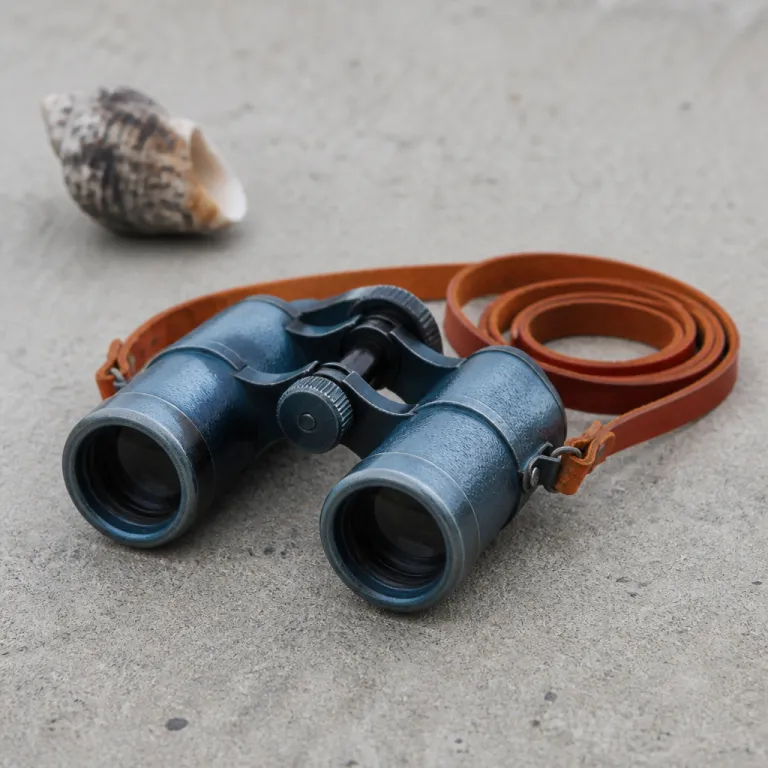
Safe viewing distance is set at roughly 300 meters, and that figure shapes how you use each viewpoint. Bring binoculars, a camera with a moderate zoom and patience, because this is about watching whales and dolphins on their terms rather than demanding a breach on schedule. For a deeper marine immersion, you can pair this trip with a day on the water elsewhere in Uruguay using a private charter such as those described in this guide to sailing the Río de la Plata, then return to Rocha for the quieter, shore based rhythm.
Where to stay along Rocha’s whale corridor: from La Paloma to Cabo Polonio
La Paloma is the most practical base for whale watching Rocha Uruguay, with a sheltered bay, a working lighthouse and enough infrastructure to feel easy but not overrun. From here, you can walk from refined guesthouses in La Paloma Punta to the official whale viewpoint in minutes, then return to a terrace for a glass of Uruguayan Tannat as whales surface offshore. For a curated overview of upscale stays in town, use this detailed guide to refined coastal stays in La Paloma when you book.
Just up the coast, La Pedrera and the Los Botes area offer a slightly wilder feel, with Atlantic swells hitting the rocks below your room and a more bohemian dining scene. Here, luxury means a small property with floor to ceiling windows, a fireplace for cool spring nights and a short walk to a clifftop viewpoint where you can track individual whales and dolphins moving north and south. Many solo travelers choose this stretch because they can spend the morning watching cetaceans from the sand and the afternoon reading in a quiet garden.
Cabo Polonio is the outpost for those who want the edge of the map, reached via sand tracks and framed by dunes and a lighthouse. From the headland at Cabo Polonio, you can often see a southern whale mother and calf pair resting beyond the sea lion colony, with dolphins year round cutting across the swell. Accommodation here is simpler but atmospheric, so many luxury travelers split their stay between La Paloma and Cabo Polonio to balance comfort with immersion.
Beyond the headlands: Rocha’s quieter villages and how to watch well
East of Cabo Polonio, Punta del Diablo and Barra de Chuy stretch the whale watching Rocha Uruguay experience into something even more solitary. Punta del Diablo offers sandy coves and rocky points where you can sit alone at sunrise, scanning for the blow of a southern whale while local fishermen launch their boats. Farther north, near Barra Chuy on the Brazilian border, the coast feels almost empty outside summer, ideal for travelers who want cetaceans as their only neighbors.
In these villages, you will not find towers or large resorts, but you will find a handful of premium houses and small hotels with direct access to the beach. Choose a room with a clear viewpoint over the ocean, ideally where you can step from your bed to a deck and watch whales and dolphins without leaving the property. Some owners even provide tripods and binoculars, turning your terrace into a private viewpoint mano that rivals any public platform.
Wherever you stay along this coast of Uruguay, the etiquette remains the same ; respect the 300 meter distance, keep noise low and never attempt to approach whales or dolphins by kayak or jet ski. Local conservation groups sometimes organize dolphin watching walks that explain how males and females use these waters, and how a healthy dolphin sanctuary benefits the entire marine ecosystem. If you want a more classic resort experience before or after Rocha, consider a night in José Ignacio or Punta del Este using this curated guide to elegant coastal escapes by the beach in Uruguay, then return east when you crave silence.
FAQ
When is the best time for whale watching in Rocha, Uruguay ?
For whale watching Rocha Uruguay, plan your stay between mid September and mid October when southern right whales are closest to shore. The broader season in Rocha runs from winter into spring, but this four week window offers the most consistent sightings from land based viewpoints. Aim for at least three nights so you can adapt to weather and spend unhurried hours scanning the water.
Where are the main viewpoints for seeing whales from shore ?
The key viewpoints for watching whales and dolphins from land are at La Paloma, La Pedrera, Cabo Polonio and Punta del Diablo along the Rocha coast. Each platform sits on a natural headland, giving you elevation and a wide arc over the sea where southern whales often cruise just beyond the breakers. In La Paloma, the official viewpoint near the lighthouse is especially convenient if you are staying in the central or Los Botes areas.
How close do whales come to the coast in Rocha ?
Southern right whales in Rocha frequently pass within a few hundred meters of the shoreline, close enough that you can see their V shaped blow and tail flukes with binoculars. Regulations recommend a minimum distance of about 300 meters for any vessel, which is why shore based whale watching is favored here. From elevated viewpoints, that distance still feels intimate, especially when males breach or females roll with calves.
Are there guided whale watching tours available in Rocha ?
There are guided experiences in Rocha, but they focus mainly on interpretation from land rather than on intensive boat safaris. Local operators and conservation groups sometimes lead walks to viewpoints, explaining whale behavior, the role of dolphins year after year and the importance of this coast for cetaceans. Are there guided whale-watching tours available? Yes, local operators offer guided tours.
What should I bring for a spring whale watching trip in Rocha ?
Pack binoculars, a camera with a moderate zoom, layered warm clothing and a windproof jacket, because spring days can shift quickly on the Atlantic. Bring comfortable shoes for walking between your hotel and the viewpoints, and consider a small backpack for maté or coffee so you can linger when whales appear. What should I bring for whale watching? Binoculars and warm clothing are recommended.