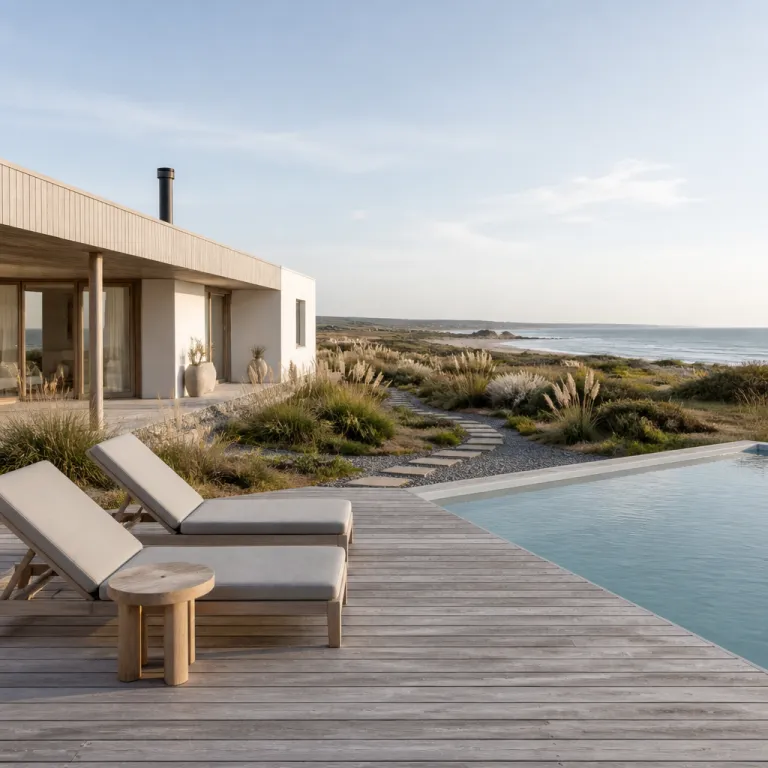
Uruguay natural elegance as a framework for luxury country retreats
“Uruguay Natural” is more than a tourism slogan; it is a national promise that every luxury stay will feel grounded in real landscapes and real communities. The Ministry of Tourism built the Uruguay Natural brand to position the country as a refined, nature-focused destination where premium hotels integrate quietly into the countryside rather than dominate it. For travelers planning where to stay, this means that each day in Uruguay will often combine polished service with a tangible sense of naturaleza that you can see, taste, and read in every detail of your trip.
The Uruguay Ministry of Tourism, working with private partners and creative agencies, shaped Uruguay Natural as a unified identity so that tourism, exports, and national pride could align around the same message. According to official material from the Ministerio de Turismo (“Marca País Uruguay Natural: antecedentes y desarrollo,” institutional report, accessed 2024), “Uruguay Natural” is a branding initiative promoting Uruguay’s natural beauty and quality of life. That single sentence explains why many top country retreats in Uruguay now highlight arable land, vineyards, and a 450 km coastal line as part of their story, inviting people to visit Uruguay not only for beaches but also for quiet estancias and design-forward lodges in the interior.
For luxury and premium hotel booking, this Uruguay Natural framework has practical consequences that you will notice when you read Punta del Este property descriptions or browse rural stays near Montevideo. Many high-end hotels now emphasize low-density layouts, native gardens, and short farm-to-table supply chains that respect the surrounding country and the people who live nearby. This approach supports current tourism trends such as eco-tourism growth and sustainable practices, giving you concrete reasons to visit that go beyond the usual sun-and-sand narrative shared with Brazil and Argentina.
From Montevideo to Punta del Este: coastal luxury shaped by Uruguay natural
Montevideo is the main gateway city for most international visitors, and it sets the tone for how Uruguay Natural translates into urban luxury. Along the Rambla, premium hotels offer Río de la Plata views while still keeping a relaxed Uruguayan rhythm that feels very different from the faster pace of Brazil or Argentina. You can spend the day exploring the Ciudad Vieja, then return to a hotel where the design language uses local wood, soft light, and subtle references to naturaleza rather than ostentatious décor.
East along the coast, Punta del Este has become the top name that many people read when they search for reasons to visit Uruguay for a refined seaside break. High-rise towers coexist with low-slung country-style retreats in La Barra and José Ignacio, where luxury hotels often sit on large plots of land so that guests will feel space, silence, and sea air. One Montevideo couple described their first stay near Punta del Este as “waking up in a beach house that just happened to have five-star service,” capturing how the city-to-coast transition feels in real life.
When you read Punta del Este hotel descriptions carefully, you will notice how often they mention dunes, pine forests, and Atlantic views as part of the experience, echoing the Uruguay Natural objective to showcase coastal landscapes as a national asset. Wine-focused travelers should also pay attention to the emerging Uruguayan wine scene, which blends perfectly with premium stays in the countryside near the city and the coast. Many high-end hotels now curate tastings that go beyond Tannat, and resources such as an in-depth guide to Albariño and Marselan bottles reshaping Uruguay’s wine map can help you plan pairings before you even visit. These experiences show how Uruguay Natural is not only about landscapes but also about how local grapes, coastal breezes, and slow aging combine into a sophisticated expression of the country that you can taste year round.
Picturesque country retreats: where Uruguay natural becomes a lived experience
Beyond the city and Punta del Este, the heart of Uruguay Natural reveals itself in country retreats that feel intimate yet polished. Many of these properties sit on former estancias, where you will wake up to views of rolling fields, horses, and distant tree lines instead of traffic or neon. This is where people who live in Montevideo or other urban centers often escape for a long weekend, and where international guests can read the landscape as a quiet narrative of Uruguayan rural life.
In Carmelo and Colonia del Sacramento, premium wine lodges and riverfront resorts combine understated architecture with high-level gastronomy, turning each day into a sequence of vineyard walks, spa rituals, and long lunches. A notable example is the style of stays described in a detailed look at a Carmelo wine lodge resort in Uruguay, where the country setting is central to the experience. At properties such as Narbona Wine Lodge in Carmelo, guests often mention small moments—like a winemaker pouring a barrel sample at sunset on the edge of the vines—as the memories that define their visit.
These properties embody Uruguay Natural by limiting room numbers, protecting surrounding arable land, and inviting guests to visit working vineyards rather than staged attractions. When you plan to visit Uruguay for a countryside stay, pay attention to how each hotel describes its relationship with naturaleza and local communities. The most authentic retreats will mention partnerships with nearby producers, low-impact building materials, and activities such as horseback riding or guided birdwatching that respect the rhythms of the land. This is also where the subtle influence of neighbors like Brazil and Argentina appears, as some estancias blend regional culinary techniques while still keeping a distinctly Uruguayan sense of calm and measured hospitality.
Cabo Polonio and wild coastlines: refined stays at the edge of Uruguay natural
On the Atlantic edge of the country, Cabo Polonio represents one of the purest expressions of Uruguay Natural, with shifting dunes, sea lions, and minimal infrastructure. Luxury and premium travelers who value seclusion will find that carefully chosen lodgings near this area offer comfort without breaking the fragile balance between tourism and wilderness. You can spend the day walking along empty beaches, then return to a retreat where candlelight dinners and local seafood keep the experience grounded and quietly elegant.
Because Cabo Polonio sits between more developed hubs such as Punta del Este and the Brazilian border, it works well as part of a longer coastal itinerary. Many guests will start in Montevideo, continue through Punta del Este and La Paloma, then add a few nights near Cabo Polonio to feel the raw side of the Uruguay Natural brand. One repeat visitor described arriving by 4x4 truck, stepping down into the sand, and realizing that “the usual noise of tourism had been left several kilometers behind,” a feeling that captures why this stretch of coast is so compelling.
Even in such a remote setting, the best properties respect the same principles that guide current tourism policy across Uruguay. They limit light pollution so that people can see the night sky, manage water carefully in a sandy environment, and work with local guides who live in nearby villages. This approach gives travelers strong reasons to visit while ensuring that the Uruguay Natural promise remains credible for future generations who will also want to experience this coastline.
How to choose a luxury country hotel in Uruguay’s Uruguay natural landscape
Selecting the right premium hotel in Uruguay starts with clarifying how you want to balance comfort, privacy, and proximity to naturaleza. Some travelers prefer to stay close to the main city of Montevideo for easier logistics, while others will prioritize remote estancias where the nearest village might be several kilometers away. When you read Punta del Este or inland property descriptions, look for clear information about land size, on-site activities, and how the hotel integrates with the surrounding country rather than standing apart from it.
For people planning to visit Uruguay from Brazil or Argentina, access routes can shape the choice of region and property. Ferries from Buenos Aires connect directly to Colonia del Sacramento and Montevideo, while road links from southern Brazil make Rocha and the eastern coast more convenient. In each case, Uruguay Natural offers a unifying standard, so whether you stay near Punta del Este, in Carmelo, or close to Cabo Polonio, you will find recurring themes of low-key luxury, open landscapes, and a strong sense of safety that many guests mention as one of their main reasons to visit.
When comparing options online, pay attention to how hotels talk about sustainability, because this is where marketing language and real practice sometimes diverge. Properties that truly align with Uruguay Natural will usually publish details about energy use, waste management, and partnerships with local producers, not just generic green claims. Reading guest reviews carefully, especially those that mention staff names and specific experiences, can help you separate polished storytelling from genuine Uruguayan hospitality that you will feel from the first day of your stay.
Planning a year round itinerary that connects Uruguay natural retreats
One of the advantages of Uruguay as a luxury destination is that you can plan meaningful itineraries year round, adjusting regions according to the season. Summer months favor Punta del Este, José Ignacio, and the Atlantic coast, while cooler periods are ideal for wine lodges, estancias, and cultural stays in Montevideo. Because distances within the country are relatively short, you will often be able to combine a city break, a coastal escape, and a rural retreat within a single week.
To make the most of Uruguay Natural, think of your trip as a sequence of contrasting yet connected experiences rather than a single static stay. You might start in the capital city to explore museums and the Mercado del Puerto, then move on to a vineyard hotel where you can read by the fire after long walks among the vines. Finally, you could end near the ocean, perhaps close to Punta del Este or even further east, where the sound of waves and wind replaces urban noise and reminds you why people choose this country for restorative travel.
Cross-border travelers from Brazil and Argentina often design circular routes that enter Uruguay by land or ferry and exit from a different point, using premium hotels as anchor stops along the way. This style of travel fits perfectly with the Uruguay Natural branding initiative, which encourages visitors to explore diverse landscapes rather than stay in a single resort enclave. By aligning your booking choices with this philosophy, you will support a tourism model that values space, authenticity, and long-term stewardship of the naturaleza that makes Uruguay unique.
Key figures that shape Uruguay natural luxury tourism
- According to World Bank data for agricultural land and arable surface (World Bank, “Arable land (% of land area), Uruguay,” accessed 2024), Uruguay has approximately 13.8% arable land, which explains why many premium country retreats integrate vineyards, orchards, and small-scale agriculture into their guest experience.
- Based on figures from the Ministerio de Ambiente and the Sistema Nacional de Áreas Protegidas (Ministerio de Ambiente, “Perfil ambiental de Uruguay,” coastal indicators, accessed 2024), the country’s coastline extends for about 450 km along the Río de la Plata and the Atlantic Ocean, giving luxury travelers a wide range of coastal settings from urban Montevideo to remote Cabo Polonio.
- According to the Uruguay Ministry of Tourism (Ministerio de Turismo, “Marca País Uruguay Natural: antecedentes y desarrollo,” institutional report, accessed 2024), the Uruguay Natural branding initiative was launched in the early 2000s after nationwide surveys and public consultations, reflecting a deliberate strategy to align tourism, exports, and national identity under a single message.
- Partnerships between government agencies, private sector actors, and tourism operators—documented in Ministerio de Turismo policy papers on sustainable tourism and safety standards—have helped Uruguay position itself as a safe, nature-oriented destination, which is a key reason many high-end travelers choose it over more crowded regional alternatives.
FAQ about Uruguay natural luxury and premium country retreats
What does Uruguay Natural mean for luxury hotel guests ?
For guests, Uruguay Natural means that many luxury and premium hotels are designed to integrate with surrounding landscapes rather than dominate them. You can expect open views, native gardens, and experiences such as vineyard walks or horseback riding that connect you directly with naturaleza. It also signals a national commitment to sustainable tourism practices that protect these settings for future visitors.
Is Montevideo a good base for exploring Uruguay’s country retreats ?
Montevideo works well as a starting point because it is the main international gateway and offers a wide range of high-end hotels. From the city, you can reach Colonia del Sacramento, Carmelo, and several inland estancias within a few hours by road. Many travelers spend one or two nights in the capital before moving on to quieter country retreats.
How does Punta del Este fit into a Uruguay Natural itinerary ?
Punta del Este is the most famous coastal resort area in Uruguay and offers a mix of urban comforts and nearby rural calm. Luxury travelers often combine stays in Punta del Este with nights in José Ignacio or inland estancias to balance nightlife, dining, and countryside relaxation. This combination reflects the Uruguay Natural idea of exploring diverse landscapes within a compact country.
Are Uruguay’s luxury country retreats suitable year round ?
Many premium country retreats in Uruguay operate year round, adjusting activities and menus to the season. Summer favors beach and pool experiences, while cooler months highlight fireplaces, wine tastings, and long countryside walks. Because the climate is generally mild, you will find appealing options in every season.
How does Uruguay compare with Brazil and Argentina for high end rural stays ?
Compared with Brazil and Argentina, Uruguay offers shorter distances, a calmer overall atmosphere, and a strong emphasis on safety and quiet luxury. The Uruguay Natural brand encourages low-density development and close ties with local communities, which often results in more intimate properties. For travelers who value space, discretion, and a slower rhythm, this can be a compelling alternative to larger regional destinations.
References : Uruguay Ministry of Tourism ; World Bank ; Ministerio de Ambiente.