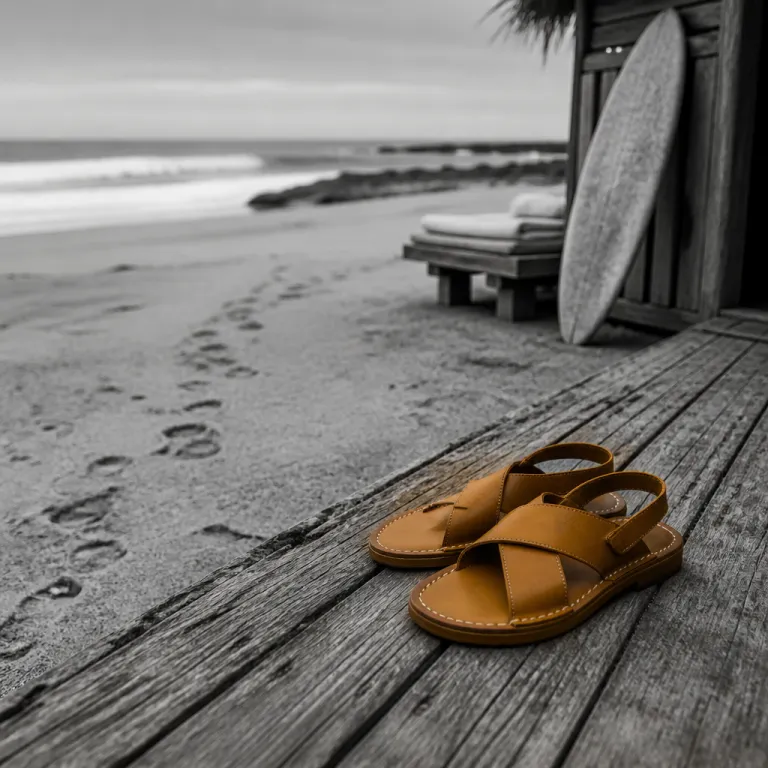
Rocha’s Atlantic edge: surf capital of Uruguay for solo travelers
Along the wild Rocha coastline in Uruguay, the Atlantic feels close enough to touch. This stretch of south Atlantic shore is widely promoted by the Rocha Department tourism office as one of Uruguay’s main surf regions, and that reputation is earned on long sandbars, rocky points and wind‑brushed dunes rather than on glossy promenades. For solo travelers who care more about the shape of a winter swell than the shape of a pool, this is one of the best places in South America to trade crowded lineups for quiet beach breaks and a low‑key surf camp or beachside posada style of stay.
The idea behind a Rocha surf camp or Uruguay surf posada captures a very specific promise here, where small coastal town communities like La Pedrera and Punta del Diablo balance surf‑centric hostels, simple guesthouses and a handful of discreet luxury accommodations. Rocha Department leans into that identity, with local surf schools such as La Pedrera Surf School (lapedererasurfschool.com) and Diablo Verde Escuela de Surf (escueladiabloverde.com) and higher‑end resorts working together so people can book a place to stay that keeps them close to the beach and even closer to the waves. The innovation is simple but powerful; it combines surfing lessons, on‑site equipment rentals and comfortable lodging so a solo explorer can move between a national park hike, a long beach session and a parrilla dinner without ever feeling rushed.
Wave and climate summaries from the Uruguayan Hydrographic Service and the Instituto Uruguayo de Meteorología indicate an average winter significant wave height around 1.5–2 meters and sea temperatures near 12 °C during the colder months along this coast, which suits intermediate and advanced surfers who appreciate punchy winter swells. Local surf schools answer a recurring question directly: "When is the best time to surf in Rocha?" and "Are there surf schools in Rocha?" and "What luxury accommodations are available?". Their response is clear and practical: "November to March offers optimal conditions." and "Yes, various schools cater to all levels." and "Options include beachfront suites and eco‑lodges such as Brisas de La Pedrera, Posada del Barco and Hotel Terrazas de la Viuda, where typical high‑season nightly rates range roughly from US$80–200 depending on room type."
Main breaks from La Pedrera to Punta del Diablo
La Pedrera is the natural starting point for many Uruguay surf itineraries built around relaxed camp and posada stays, because the town sits on a rocky headland that shapes consistent peaks along Playa del Barco and Playa Grande. On smaller days, the beach playa sections closer to the village suit improvers, while the more exposed stretches toward the south handle the long period swells that roll up from deep in the south Atlantic. You wake to the sound of the ocean, walk 200 meters across the sand, and decide whether to paddle out in front of the posada or wander down to a quieter sandbank.
Further northeast, Punta del Diablo feels like a frontier town at the edge of Latin America, with sandy lanes, fishing boats pulled onto the beach and a cluster of barefoot posadas that understand surfers better than most luxury hotels in Punta del Este. Here the main beach playa in front of the village offers forgiving peaks, while Playa del Rivero and Playa de la Viuda (often shortened locally to La Viuda) pick up more swell and suit confident intermediates. When a solid south or south‑east pulse hits, the sandbars near Punta del Diablo can rival better known spots in Argentina or even sections of the Argentina–Brazil Atlantic coast, yet the lineup often holds only a handful of people.
North again, the stretch around Santa Teresa and its adjacent national park adds a different mood, with pine forests, military history and long, empty beaches that feel far removed from the polished coast of Punta del Este. The entrance to Parque Nacional Santa Teresa sits just inland from the sand, and the national park trails let you combine a morning surf with an afternoon hike among fortifications and native forest. For travelers who like to compare destinations, Punta del Este is about curated glamour, while Rocha’s town beaches and wild headlands are about raw energy, which is why many consider this region one of the best places in South America for a quiet, wave‑focused stay.
For readers planning broader coastal itineraries, it is worth contrasting Rocha’s barefoot rhythm with the more refined luxury hotels scattered along the Maldonado shoreline, from Punta del Este to José Ignacio and Laguna Garzón. A detailed guide to where to book a luxury hotel by the beach in Uruguay can be found in a separate elegant coastal escapes overview, which pairs well with a Rocha surf focus. Many solo travelers will split their time between the surf‑centric town beaches of Rocha and the more design‑driven stays near José Ignacio, using the bus network or rental cars to move between both worlds.
Winter swells, summer peaks and how to time your trip
Rocha’s reputation as a surf hub for Uruguay camp and posada stays rests on two overlapping seasons, and understanding them helps you choose the right place to stay. Official tourism data highlights November to March as the prime surf season in Rocha, when consistent Atlantic swells meet warmer water and a livelier town atmosphere. During these months, La Pedrera, Punta del Diablo and the smaller beach playa communities fill with people from Montevideo, Buenos Aires and across Argentina, and the mix of surf hostels, casual posadas and a few luxury accommodations reaches full capacity.
For many experienced surfers, though, the quieter winter months bring the most interesting swell patterns, as long period south and south‑east systems line up cleanly with Rocha’s open beaches. Sea temperatures drop to around 12 °C, so a proper wetsuit is essential, but the reward is often empty peaks and long rides under pale Atlantic light. If you are the kind of solo traveler who values space in the lineup over nightlife in town, winter can feel like a private national park of waves, especially around Santa Teresa and the more remote stretches between La Pedrera and Punta del Diablo.
Booking strategy matters in both scenarios, particularly if you want the best suites in the more upscale posadas that cater to surfers without losing their luxury edge. As a rule of thumb, reserving for high season at least three to six months ahead secures better rooms and more flexible cancellation policies than last‑minute searches. Whether you aim for the social energy of the official summer surf season or the solitude of winter swells, aligning your dates with both wave forecasts and room availability will shape the character of your stay more than any other decision.
Where to stay: from surf‑friendly posadas to discreet luxury
Accommodation along the Rocha coast reflects a surf‑first mindset, with properties designed so you can move from bed to beach in minutes. In La Pedrera, many small posadas and a handful of higher‑end guesthouses sit within a short walk of Playa del Barco and Playa Grande, which means you can check the sandbars from your balcony before deciding whether to paddle out. These stays often blend polished interiors with relaxed service, offering strong coffee at dawn, secure board storage and late breakfasts timed around the tide rather than a rigid schedule.
Punta del Diablo leans even further into the barefoot aesthetic, with sandy paths leading from wooden cabins and surf‑centric hostels down to the main beach playa and the more exposed peaks near La Viuda. Some of the best places to stay here are simple but thoughtfully run, with owners who surf themselves and can advise on when a south swell will wrap into the bay or when it is better to take the bus north toward Santa Teresa. Luxury accommodations exist too, usually tucked back from the busiest parts of town, offering ocean views, heated pools for post‑session recovery and quiet lounges where solo travelers can read, work or simply watch the changing light over the Atlantic.
Further along the coast, eco‑lodges near Santa Teresa National Park and the access road toward Cabo Polonio offer a different kind of comfort, rooted in landscape rather than in formality. These properties often use solar power, local materials and low‑rise architecture to keep the dunes intact, which appeals to travelers who see Uruguay as part of a broader Latin America journey that values conservation. Nightly rates for mid‑range posadas typically start around US$60–80 in shoulder season and rise in January, while higher‑end suites and eco‑lodges can run from roughly US$150 upward depending on location and facilities. If your itinerary also includes time in Montevideo, Colonia del Sacramento or even a hop across the Río de la Plata to Buenos Aires, you will notice how Rocha’s posadas feel more like extensions of the beach than traditional city hotels, and that is precisely their charm.
Logistics, side trips and how Rocha fits into a wider itinerary
Reaching the Rocha surf corridor is straightforward, but the details matter when you are traveling solo with a board bag. Most people arrive in Uruguay via Montevideo or cross from Buenos Aires by ferry to Colonia del Sacramento, then continue by bus or rental car along the coast toward Rocha. The main highway east from Montevideo is well maintained, and the long, flat drive gives you a sense of how the country opens toward the Atlantic, with turnoffs leading to coastal town communities like José Ignacio, Laguna Garzón, La Pedrera and finally Punta del Diablo.
Public buses connect Montevideo with Rocha town and on to La Paloma, La Pedrera and Punta del Diablo, which works well if you travel light or rent boards locally. Companies such as COT and Rutas del Sol run several services a day from Tres Cruces terminal, with journey times typically between four and six hours depending on stops. For those carrying their own quiver, a small rental car offers more flexibility, especially if you want to explore multiple beach playa options in a single day or detour into Santa Teresa National Park for a hike between sessions. Road conditions near the main resorts and towns are generally good, though some access tracks to more remote breaks remain unpaved, which adds to the sense of being at the edge of South America rather than in a polished resort corridor like Punta del Este.
No surf‑focused trip to Rocha feels complete without at least a day in Cabo Polonio, the car‑free hamlet set on a sandy peninsula between shifting dunes and the open Atlantic. Access is via authorized 4x4 trucks that cross the national park landscape, and once you arrive, there is no grid electricity, only generators and candles in the small posadas and hostels scattered around the village. Many travelers pair this with time in Colonia del Sacramento or even a few nights in Montevideo, using curated lists of where to eat in Montevideo on an extended weekend to frame the city portion of their Latin America itinerary before or after the quiet intensity of Rocha’s waves.
Solo surfer checklist: confirm board‑bag rules with COT or Rutas del Sol before travel; expect Montevideo–Rocha fares in the region of US$20–30 one way and journey times of about five hours; pack a 3/2 mm wetsuit for late spring and autumn and a 4/3 mm (plus booties if you feel the cold) for winter; carry soft roof racks if renting a car; and keep some cash handy for small transfers and national park access.
FAQ
When is the best time to surf in Rocha for consistent waves?
Official tourism and surf data highlight November to March as the most reliable period for consistent swell, lighter winds and a broader choice of open accommodations along the Rocha coast. During these months, La Pedrera, Punta del Diablo and Santa Teresa all see regular Atlantic pulses that suit a range of abilities. Outside this window, winter swells can be excellent for experienced surfers, but water temperatures drop and some seasonal businesses close.
Are there surf schools and board rentals available in Rocha?
Local surf schools operate in key town hubs such as La Paloma, La Pedrera and Punta del Diablo, offering lessons for complete beginners through to coaching for intermediates. Most of these schools maintain a stock of soft‑top and fiberglass boards, plus wetsuits appropriate for the season. Many luxury accommodations and surf‑friendly posadas can arrange lessons or rentals directly, so you do not need to organize everything in advance.
What kind of accommodation suits a solo surf traveler in Rocha?
Solo surfers can choose between relaxed hostels, surf‑centric posadas close to the beach and a smaller number of luxury accommodations that still embrace a barefoot atmosphere. In La Pedrera and Punta del Diablo, many properties offer communal spaces, shared tables and flexible breakfast hours, which make it easy to meet other travelers. If you prefer more privacy, higher‑end guesthouses and eco‑lodges near Santa Teresa National Park provide quiet suites with ocean views and direct access to long, uncrowded beaches.
How do I get from Montevideo to Punta del Diablo and Santa Teresa?
Regular intercity buses run from Montevideo’s Tres Cruces terminal to Rocha town, La Paloma, La Pedrera and Punta del Diablo, with journey times typically between four and six hours depending on stops. From Punta del Diablo, local taxis or short transfers can take you to the entrances of Santa Teresa National Park and nearby beaches. Travelers carrying surfboards often prefer renting a car in Montevideo, which allows easier access to multiple breaks and more flexibility with early morning or late evening sessions.
Can I combine a Rocha surf trip with other destinations in Uruguay and the region?
Rocha fits naturally into a wider itinerary that might start in Montevideo, include a historical pause in Colonia del Sacramento and then continue along the coast toward José Ignacio, Laguna Garzón and finally the surf towns. Many travelers also connect via Buenos Aires, using the ferry to cross into Uruguay before heading east, or pair their trip with other South America stops in Argentina or along the Argentina–Brazil corridor. This combination lets you experience both the cultural depth of Río de la Plata cities and the quiet, wave‑focused rhythm of Rocha’s Atlantic beaches.