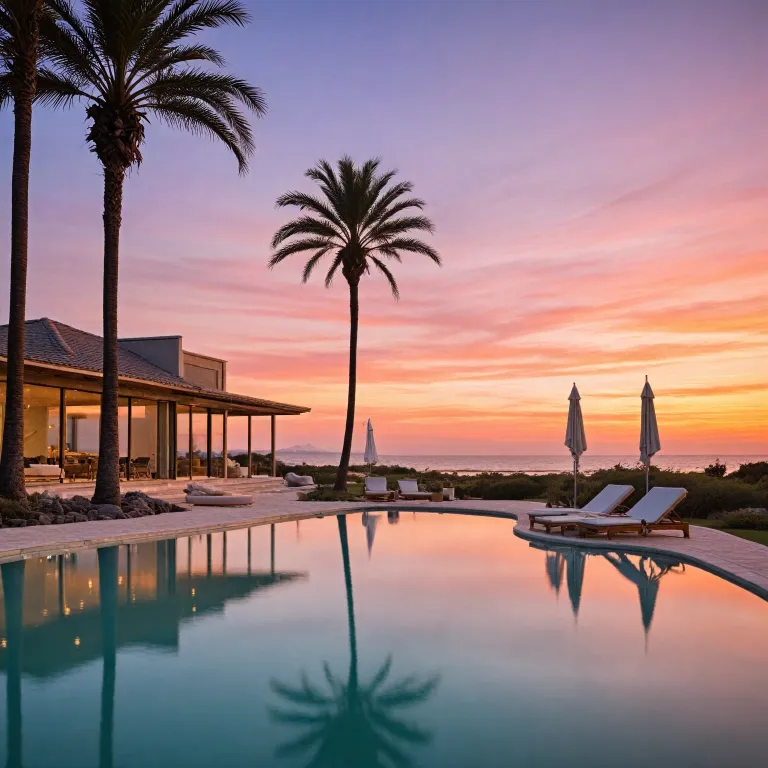
Why Punta del Este Uruguay defines coastal luxury in South America
Punta del Este Uruguay has evolved from a quiet peninsula into a polished resort city. Today the city blends Atlantic energy with Río de la Plata calm, creating a rare dual character that appeals to demanding travelers. This balance makes every visit feel both glamorous and surprisingly relaxed.
The permanent population counts only around 18 000 people, yet in high season more than one million people arrive to enjoy the playa and the city. This seasonal rhythm shapes how you should plan where to stay, when to book your hotel, and how long to spend in each neighborhood. Understanding this pattern is essential if you want the best view, the right beach access, and seamless premium service.
On the western side, Playa Mansa faces the Río de la Plata and offers gentle waters. Families, couples, and guests who prefer calm beaches often choose hotels along this curve, where sunsets over the south America horizon feel almost theatrical. From many terraces you can see modern buildings rising behind the sand, a reminder that Punta del Este Uruguay is also a serious real estate market.
On the eastern side, Playa Brava opens directly to the Atlantic and feels wilder. Here the surf is stronger, the energy more intense, and the skyline of modern buildings frames the famous sculpture emerging from the playa. Travelers who enjoy dynamic beach scenes often prefer to stay near Playa Brava, where you can walk easily to the city center, dine from a refined menu, and still reach quieter corners within minutes.
Key coastal areas: from Playa Mansa to Punta Ballena and José Ignacio
Choosing where to stay in Punta del Este Uruguay starts with understanding its coastline. Each stretch of playa offers a distinct atmosphere, and the right choice will shape how you spend every day. Think of the peninsula as a sequence of curated experiences rather than a single continuous beach.
Playa Mansa curves along the inner side of the peninsula, facing the Río de la Plata. The water is calmer here, which suits families, relaxed swimmers, and guests who value tranquil mornings with a soft view. Many premium hotel options line this shore, allowing you to step directly from lobby to playa within a few minutes.
Cross the narrow city streets and you reach Playa Brava, where the Atlantic defines the mood. Waves crash harder, surfers share the water with confident swimmers, and the famous hand sculpture has become an emblem of Punta del and del este worldwide. Staying near Playa Brava places you close to nightlife, contemporary restaurants with multilingual menu options, and a cosmopolitan mix of people from Uruguay, Argentina, Brazil, and the United States.
Further west, Punta Ballena offers dramatic cliffs and sweeping views back toward the city and the beaches. Many travelers choose a hotel here to enjoy sunsets over the south America coastline, then visit Punta for dining and shopping. Continue along the coast and you reach José Ignacio, once a fishing village and now a refined destination where discreet luxury, quiet playa stretches, and sophisticated cuisine attract guests seeking privacy.
Islands, sea lions, and maritime views around Punta del Este Uruguay
The maritime setting of Punta del Este Uruguay is central to its appeal for luxury travelers. Beyond the main beaches, several islands create a layered seascape that you can explore by boat. These excursions add depth to a stay that might otherwise focus only on the city and the shoreline.
Close to Playa Mansa lies Isla Gorriti, also known as Gorriti Island, a green retreat with calm waters and shaded areas. Many visitors take a short boat ride from the city port, spend a few hours on the playa, and then return to their hotel for evening plans. The view back toward the modern buildings of Punta del and del este underlines how close nature and urban comfort sit together.
Further offshore, Isla Lobos is famous for its large colony of sea lions. Organized boat trips allow you to approach the island, observe the animals in their natural environment, and appreciate the scale of the South Atlantic ecosystem. These outings are particularly popular with guests from Buenos Aires, Uruguay, and the United States who want a memorable experience beyond the beach.
From many premium hotels you can see both Isla Gorriti and Isla Lobos on clear days. This dual view, with the Río de la Plata meeting the Atlantic, reinforces why Punta del Este Uruguay is considered one of the most striking coastal cities in south america. When you visit Punta, consider scheduling island excursions early in your stay so you can adjust other activities around weather and sea conditions.
How to choose a luxury or premium hotel in Punta del Este Uruguay
Selecting a hotel in Punta del Este Uruguay involves more than comparing star ratings. The city stretches from the peninsula to Punta Ballena and beyond, and each area suits a different style of travel. Start by deciding whether you prefer immediate beach access, panoramic views, or proximity to nightlife and dining.
For guests who want to step directly onto the playa, hotels along Playa Mansa and Playa Brava are ideal. On Playa Mansa you gain calmer waters and sunsets over the Río de la Plata, while Playa Brava offers stronger surf and a livelier beach scene. In both areas, many properties feature rooms with a direct sea view, multilingual staff, and a menu that reflects both local and international cuisine.
If you value privacy and wide horizons, consider staying near Punta Ballena or José Ignacio. Here, hotels often emphasize architecture that frames the coastline, with terraces that overlook the beaches and the modern buildings of the distant city. These locations suit travelers who plan to spend longer periods in Uruguay Punta, combining remote relaxation with occasional visits to the city center.
When comparing options, look at how each hotel supports guests from different language backgrounds, especially Spanish and English speakers. Check whether the property can arrange transfers from Buenos Aires or other parts of south america, and whether concierge teams can organize visits to Isla Gorriti, Isla Lobos, and other key sites. For travelers interested in sustainability, resources such as luxury eco resorts in Uruguay can help you align comfort with environmental values.
Planning your stay: seasons, language, and practical details
Timing is crucial when planning a premium stay in Punta del Este Uruguay. The city experiences a pronounced high season during the southern summer, when beaches fill, hotel rates rise, and restaurant reservations become essential. Outside these months, the atmosphere softens, offering more space and often better value for extended stays.
During high season, the population can swell from under twenty thousand people to around one million people. This surge affects everything from playa space on Playa Mansa and Playa Brava to availability on boat trips to Isla Gorriti and Isla Lobos. If you plan to visit Punta during this period, book your hotel well in advance and consider flexible dates to secure the best view and services.
Spanish is the primary language in Uruguay, but in Punta del Este many hotel teams speak English and sometimes Portuguese. Menus in premium restaurants often appear in multiple languages, reflecting the international mix of guests from Buenos Aires, the United States, and across south america. Learning a few Spanish phrases, however, can enrich your interactions with local people and deepen your sense of place.
Transport connections are straightforward, with road links to Montevideo and onward routes from the capital to other parts of Uruguay Punta. Many travelers arrive from Buenos Aires by ferry and road, combining both cities in a single trip. Whether you stay near the city center, Punta Ballena, or José Ignacio, plan time to walk the beaches, appreciate the modern buildings along the coast, and experience how the Río de la Plata meets the Atlantic.
Real estate, investment stays, and long-term travel in Punta del Este Uruguay
Beyond short holidays, Punta del Este Uruguay has become a significant hub for real estate and long-term stays. Investors and extended-stay travelers are drawn by the combination of stable institutions, attractive coastline, and a mature tourism infrastructure. This context influences the range and quality of luxury and premium hotel options available throughout the city.
Median prices per square metre for property in Punta del and del este are among the highest in Uruguay. Modern buildings line much of Playa Mansa and Playa Brava, with many apartments designed for both seasonal rental and owner use. This dual purpose encourages high standards in maintenance, amenities, and security, which benefits hotel guests and residents alike.
Short-term rental platforms have expanded rapidly, especially in areas close to the beaches, Punta Ballena, and José Ignacio. Some travelers choose serviced apartments or residences attached to hotel brands, gaining access to facilities such as pools, spas, and concierge services. For those considering investment, the Uruguay Ministry of Tourism and local agencies provide guidance on regulations, while the Punta del Este Municipality oversees urban planning and services.
Many long-term visitors appreciate the ability to spend several months each year in Uruguay Punta, enjoying a slower rhythm outside high season. They often structure their days around the playa, visits to Isla Gorriti or Gorriti Island, and excursions to see sea lions near Isla Lobos. Over time, this lifestyle blurs the line between travel and residence, reinforcing Punta del Este Uruguay as both a holiday destination and a place to build deeper roots in south america.
Key statistics for Punta del Este Uruguay luxury travel
- Permanent population of Punta del Este is approximately 18 000 people, while the summer population can reach around one million people.
- Average nightly rate for short-term rentals in the city is around 178 USD, reflecting strong demand in high season.
- Median property price in central coastal areas is about 3 200 USD per square metre, underlining the premium nature of real estate near the beaches.
Essential questions about visiting Punta del Este Uruguay
What is the best time to visit Punta del Este?
The best time to visit is during the summer months, from December to February, when the weather is warm and most tourist activities are available.
Is Punta del Este suitable for family vacations?
Yes, Punta del Este offers a variety of family-friendly activities, including beaches, parks, and cultural attractions.
How can I invest in real estate in Punta del Este?
Investing in real estate can be done through local real estate agencies or international property investment firms specializing in the region.