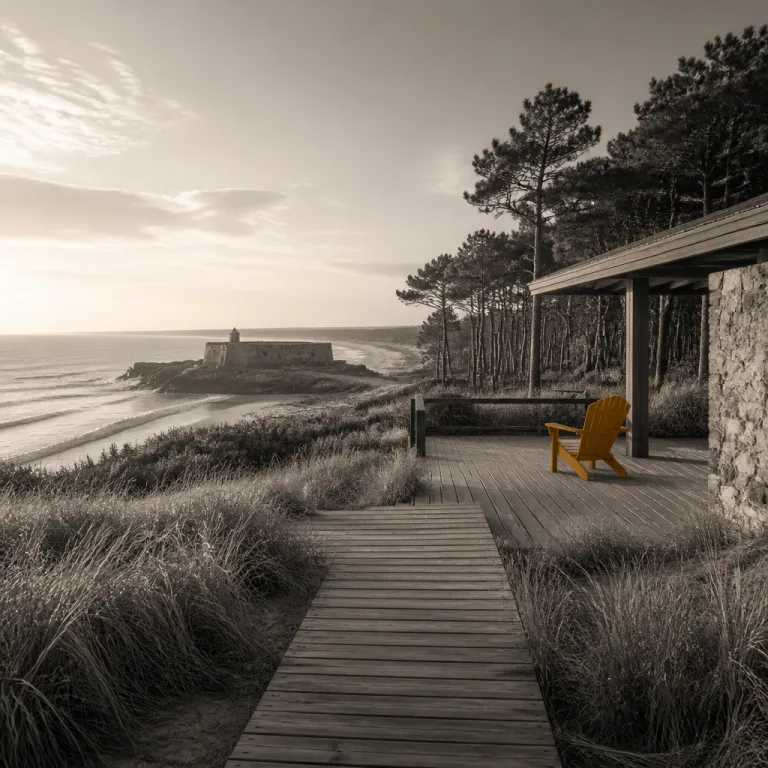
Santa Teresa National Park as a luxury coastal base in Rocha
Santa Teresa National Park in the Rocha Department offers a rare blend of Atlantic beaches and preserved forest that suits refined travelers. Within this roughly 30 square kilometre protected area in Uruguay, high end guests find a calm coastal stretch that pairs soft sand with the scent of pine and the sound of Atlantic surf. For those planning a premium stay, the park’s proximity to Rocha’s most elegant seaside villages makes it one of the best bases for a slow and nature focused escape.
The park is anchored by the historic Fortaleza Santa Teresa, often called the Teresa Fortress, which crowns a low hill above the ocean. Around this fortification, the National Army of Uruguay manages extensive gardens, stone walls, and walking paths that frame views across the beaches and the surrounding coastline. According to official park information panels on site, the army has overseen restoration and maintenance of the fort and grounds for decades, ensuring that visitors can safely explore ramparts, chapels, and lookout points.
Santa Teresa National Park sits between Punta del Diablo and the wilder stretches of the Rocha Department, so it works beautifully for guests who want variety. You can walk through the forest trails in the morning and then continue to the relaxed fishing village of Punta del Diablo for a long seafood lunch. Later, many visitors retreat to their premium hotel suites, enjoying curated experiences such as bird watching, horseback riding, and sunset walks along Playa Grande.
The park’s coastal area includes several distinct beaches, each with its own character and appeal. Playa Grande stretches for kilometres, offering a broad sweep of sand where waves roll in steadily and the Atlantic water feels bracing yet clean. Closer to the Teresa Fortress, smaller coves sit between rocky outcrops, giving guests sheltered corners that feel almost private even when the national park is busy.
Behind the dunes, the mosaic of flora and fauna is surprisingly rich for such a compact coastal reserve. Over the last century, large scale reforestation has created a patchwork of eucalyptus, pine, and native species that shelter birds and small wildlife. Interpretive signs inside the park note that more than two million trees have been planted as part of this effort, transforming shifting dunes into mixed forest and stabilising the coastline.
Because the park offers both forest and ocean, it attracts visitors with very different expectations and travel styles. Some guests come to Santa Teresa National Park for active days of surfing, hiking, and cycling, while others prefer slow walks and long hours reading under trees. A luxury or premium hotel near the park can tailor experiences to either style, arranging private guides, transfers to Punta del Diablo, or quiet picnics near the dunes.
Where to stay: premium retreats around Santa Teresa and Rocha
High end travelers usually base themselves just outside Santa Teresa National Park, where low rise properties blend into the dunes and forest. In this part of Rocha, you will find intimate coastal lodges, design forward villas, and discreet hotels that prioritise privacy and service. Many of these stays sit between the park and Punta del Diablo, so you can reach both the beaches and the Teresa Fortress within a short drive of around 10 to 15 minutes.
For guests who value ocean views above all, the coastline between Playa Grande and Punta del Diablo offers some of the best options. Here, premium rooms often face the water directly, with terraces that frame sunrise over the Atlantic and the long curve of the park’s beaches. Properties in this area typically work closely with local guides who know the trails, the safest swimming spots, and the quietest corners of each playa.
Travelers who prefer more seclusion often choose inland retreats near Laguna Negra and the surrounding countryside. These country houses and small estates sit a few kilometres from the coastal strip, surrounded by grassland, wetlands, and pockets of native vegetation that host many bird species. From these rural bases, it is easy to visit Santa Teresa during the day and then return to a peaceful setting where the only sounds are wind and wildlife.
Wine focused visitors sometimes combine Santa Teresa National Park with stays at vineyards and gourmet lodges elsewhere in Uruguay. If you are planning a broader itinerary, consider pairing Rocha’s coast with an inland wine route that highlights Albariño and Marselan, using a specialised guide to Uruguay’s wine map such as a detailed overview of emerging Uruguayan wines. This kind of itinerary lets you enjoy the natural drama of the national parks on the Atlantic while also tasting some of the country’s most interesting bottles in a more rural setting.
When comparing premium hotels near Santa Teresa, pay close attention to how each property engages with the park. Some hotels include guided visits to the Teresa Fortress and Fortaleza Santa Teresa gardens, while others focus on wellness with yoga decks facing the beaches and spa treatments using local ingredients. The best properties balance access to the national park with quiet spaces where you can rest after a day exploring Punta del Diablo or walking the dunes.
Booking platforms that specialise in Uruguay’s luxury segment can help you filter options by distance to the park, style of service, and sustainability credentials. Look for hotels that support conservation projects in the Rocha Department, such as reforestation or wildlife monitoring in and around Santa Teresa. These partnerships with the National Army of Uruguay and local environmental organisations, often mentioned in hotel sustainability reports, show a long term commitment to protecting the landscape you are coming to enjoy.
Landscape and wildlife: from Atlantic beaches to Laguna Negra
The landscape of Santa Teresa National Park feels surprisingly varied for such a compact coastal area. On the ocean side, long beaches like Playa Grande and smaller coves near the Teresa Fortress create a classic Atlantic scene of dunes, surf, and wind shaped vegetation. Inland, the terrain softens into rolling fields, wetlands, and the dark waters of Laguna Negra that give the region a different, quieter mood.
Laguna Negra, whose name refers to the dark colour of its water, lies a short distance from the main park entrance and forms part of a wider wetland system in Rocha. Birdwatchers value this lagoon for the sheer number of species that feed, nest, or rest here during migration, from herons and ducks to rarer coastal birds. Many premium hotels arrange early morning excursions to the lagoon, where guests can watch wildlife from small boats or shoreline hides before returning to Santa Teresa for a late breakfast.
Another lesser known body of water in the region is Laguna Peña, a smaller lagoon that sits within a more rural area of the Rocha Department. While Laguna Peña receives fewer visitors than Laguna Negra, it contributes to the same network of wetlands that support the park’s biodiversity and the broader coastal ecosystem. Guests who appreciate quieter corners often ask their hotel to organise a combined visit to both lagoons, followed by an afternoon on the beaches inside Santa Teresa National Park.
The park’s interior holds a mosaic of planted forest and remnant native vegetation that now shelters a surprising range of wildlife. Conservation programs run by the park administration and partner organisations aim to protect these species, while also maintaining recreational access for visitors. As one official description from the National Parks Association of Uruguay summarises it clearly, the area brings together “beaches, forests, and the historic Santa Teresa Fortress.”
Families and active travelers often explore the wetlands and forest by kayak or on foot. A useful reference for planning this kind of low impact adventure is a family focused guide to Uruguay’s biosphere reserves, such as a detailed look at Bañados del Este by kayak. While Bañados del Este lies beyond Santa Teresa, the same principles of gentle navigation, respect for wildlife, and careful timing around tides and wind apply to Laguna Negra and other wetlands in the Rocha Department.
Because the park offers both marine and freshwater habitats, the list of species you might encounter is long. Coastal dunes host hardy plants and small reptiles, while the forested area shelters mammals and many bird species that thrive in the mix of planted and native trees. When you visit Santa Teresa National Park with a knowledgeable guide, you gain a deeper understanding of how these habitats connect, and why this stretch of Uruguay’s coast remains so important for regional biodiversity.
History and culture: Fortaleza Santa Teresa, San Miguel and beyond
Santa Teresa National Park is not only a natural refuge; it is also a cultural landmark anchored by centuries of history. At its heart stands Fortaleza Santa Teresa, a stone fortress that once guarded this strategic stretch of coast and now serves as a focal point for visitors. Walking its ramparts, you look out over the beaches and forest that the park protects today, while imagining the ships and soldiers that once defined this frontier.
The Teresa Fortress has been carefully preserved and is managed by the National Army of Uruguay, which also oversees much of the wider infrastructure. Inside the walls, you find small exhibitions, chapels, and courtyards that tell the story of colonial rivalries and the gradual shaping of modern Uruguay. Outside, manicured gardens and tree lined paths soften the military lines of the fortaleza Santa Teresa, creating a graceful transition between cultural heritage and natural landscape.
Nearby, the San Miguel fortress adds another layer to this historical area, even though it sits outside the formal boundaries of Santa Teresa National Park. Many visitors combine a morning at San Miguel with an afternoon exploring the national park, using a private driver or hotel arranged transfer to move between sites. This pairing gives a fuller picture of how the Rocha Department evolved, from contested borderland to one of Uruguay’s most peaceful coastal regions.
Interpretive trails and educational programs within the park help connect these historical sites to the surrounding ecosystems. Guided walks often start near the Teresa Fortress and then lead into the forest, where you learn how the planting of millions of trees stabilised dunes and created new habitats for wildlife. In this way, the park offers a living example of how cultural preservation and environmental restoration can reinforce each other.
For luxury travelers, these historical elements add depth to what might otherwise be a purely beach focused stay. A day that begins with a private tour of Fortaleza Santa Teresa, continues with a long lunch in Punta del Diablo, and ends with a sunset walk along Playa Grande feels both refined and grounded in place. Hotels that understand this narrative often build curated itineraries around the park’s history, ensuring that guests leave with more than just memories of sand and water.
Because Santa Teresa National Park is part of a broader network of national parks in Uruguay, it also plays a role in the country’s identity. The combination of beaches, forest, and fortresses symbolises a balance between natural beauty and historical resilience that many Uruguayans value deeply. When you visit Santa Teresa with this context in mind, every view of the ocean or the Teresa Fortress carries an extra layer of meaning.
Day trips and coastal routes: Punta del Diablo, Cabo Polonio and beyond
One of the main advantages of staying near Santa Teresa National Park is the ease of exploring nearby coastal villages. Punta del Diablo lies just to the north, a former fishing hamlet that has evolved into a relaxed resort while keeping its bohemian edge. From most premium hotels around the park area, you can reach Punta del Diablo in minutes, making it ideal for dinners, sunset drinks, or a change of scene from the quieter beaches inside the reserve.
In Punta del Diablo, sandy streets lead down to broad playas where colourful fishing boats rest on the shore. The main beach sits close to the village centre, while more secluded stretches of sand run towards the boundaries of Santa Teresa and the dunes beyond. Many visitors split their time between the structured paths and facilities of the national park and the more informal atmosphere of Punta del Diablo, enjoying the contrast between the two.
Further along the Rocha Department coast lies Cabo Polonio, a remote headland that forms part of another protected area within Uruguay’s network of national parks. Reaching Cabo Polonio involves a transfer by authorised vehicle across dunes, which adds a sense of adventure to the day trip from Santa Teresa. If you are interested in refined coastal stays in a wild national park setting, you can plan a multi stop itinerary that links Santa Teresa with Cabo Polonio using resources such as a detailed guide to Cabo Polonio stays.
South of Santa Teresa, the coastline of Rocha continues with quieter stretches of sand and small rural communities. Some travelers choose to follow Route 9 and smaller coastal roads, stopping at viewpoints, local markets, and lesser known playas that rarely appear in international guides. This kind of slow road trip pairs well with a base near the national park, allowing you to return each evening to the comfort of a well appointed room and attentive service.
When planning day trips, consider how you want to balance time in the water with cultural and natural experiences. A typical day might include an early swim at Playa Grande, a mid morning visit to the Teresa Fortress, lunch in Punta del Diablo, and a late afternoon walk near Laguna Negra to watch birdlife. By structuring your visit Santa itinerary in this way, you experience the full range of what the park offers without feeling rushed.
Premium booking platforms and concierges can help coordinate drivers, guides, and restaurant reservations along this stretch of the Rocha Department. They understand which roads are in the best condition, which playas are safest for swimming on a given day, and how to time visits to Cabo Polonio or other national parks to avoid crowds. With this support, Santa Teresa National Park becomes the elegant centrepiece of a wider coastal journey through one of Uruguay’s most captivating regions.
Planning your stay: access, seasons and booking smart
Reaching Santa Teresa National Park is straightforward, which makes it attractive for travelers who value both comfort and a sense of remoteness. The main entrance lies along Route 9 at kilometre 302 in the Rocha Department, with clear signage and paved access roads leading towards the beaches and the Teresa Fortress. From Montevideo, the drive typically takes around four to five hours depending on stops, so many guests arrange private transfers through their hotel or a specialised luxury travel agency in Uruguay.
The park is open year round, but the character of your visit changes with the seasons and the rhythm of local holidays. Off peak months bring cooler temperatures, quieter beaches, and more space to appreciate wildlife without crowds, which many premium travelers prefer. During busier periods, especially around national holidays, the park offers a livelier atmosphere, with more families on the playas and a greater sense of local life around Punta del Diablo and other nearby villages.
When choosing dates, consider how much time you want to spend in the water versus exploring trails and historical sites. Warmer months suit long days on Playa Grande and other beaches inside the park, while cooler periods are ideal for hiking, birdwatching near Laguna Negra, and extended visits to Fortaleza Santa Teresa. In every season, early morning and late afternoon tend to be the best times for photography, wildlife viewing, and quieter walks near the dunes.
Booking a luxury or premium hotel near Santa Teresa National Park works best when you plan at least several weeks ahead. Properties with the strongest reputations for service and sustainability often have limited room counts, especially in the most sought after area between the park and Punta del Diablo. If your itinerary includes other national parks or coastal regions such as Cabo Polonio, coordinate all reservations together so transfers and guided excursions align smoothly.
Many high end hotels now offer curated Santa Teresa experiences that bundle accommodation with guided visits, private picnics, and wellness activities. These packages might include a sunrise yoga session facing the beaches, a private tour of the Teresa Fortress, and an afternoon birdwatching excursion near Laguna Peña or Laguna Negra. When evaluating such offers, look for clear information about group sizes, guide qualifications, and how each activity interacts with the park’s conservation goals.
Responsible travel practices are central to preserving the natural and cultural value of Santa Teresa National Park. Choose operators who respect marked trails, minimise disturbance to wildlife, and support local communities in the Rocha Department through fair employment and sourcing. By aligning your booking choices with these principles, you help ensure that the park offers the same sense of space, beauty, and tranquillity to future visitors who come to enjoy this unique corner of Uruguay.
Santa Teresa National Park in context: Uruguay’s protected coastal network
Santa Teresa National Park forms part of a broader constellation of protected areas along Uruguay’s Atlantic coast. Together with Cabo Polonio and other national parks and reserves, it helps safeguard dunes, wetlands, and marine habitats that are increasingly rare in the region. For travelers, this means you can design itineraries that move between different landscapes while staying within a coherent network of conservation focused destinations.
Within this network, Santa Teresa stands out for its combination of beaches, forest, and historical architecture. Few other national parks in Uruguay offer such a clear juxtaposition of natural and cultural heritage, with the Teresa Fortress and Fortaleza Santa Teresa rising directly above the ocean. This integration of fortifications, planted forest, and native vegetation reflects decades of work by the National Army of Uruguay and partner organisations to stabilise dunes and create a resilient coastal area.
The park’s role in eco tourism has grown steadily as more visitors seek experiences that balance comfort with environmental responsibility. Luxury and premium hotels around the Rocha Department increasingly frame Santa Teresa National Park as a place where guests can enjoy refined service while engaging with conservation, whether through guided wildlife walks, tree planting initiatives, or educational visits to the Teresa Fortress. This approach aligns with Uruguay’s broader goals of promoting sustainable tourism that supports both biodiversity and local livelihoods.
For travelers comparing different coastal destinations in South America, Santa Teresa offers a distinctive proposition. It lacks the high rise skyline of larger resorts, instead presenting low buildings, open horizons, and a sense of space that many guests find restorative. At the same time, the presence of Punta del Diablo, nearby lagoons such as Laguna Negra and Laguna Peña, and other national parks within driving distance ensures that you never run out of places to visit.
As interest in Rocha grows, careful planning becomes even more important to maintain the qualities that make Santa Teresa special. Authorities and local stakeholders continue to refine visitor services, conservation programs, and infrastructure so that the park offers both accessibility and protection for sensitive species and habitats. Travelers who choose premium stays that support these efforts play a direct role in shaping the future of this coastline.
Seen in this wider context, a stay near Santa Teresa National Park becomes more than a simple beach holiday. It is an opportunity to engage with Uruguay’s evolving story of coastal conservation, cultural preservation, and thoughtful tourism development in the Rocha Department. For guests who value both comfort and meaning in their travels, this balance may be the park’s greatest luxury.
Key figures about Santa Teresa National Park
- The protected area of Santa Teresa National Park covers approximately 30 square kilometres, making it large enough to host multiple ecosystems while remaining easy to explore over several days (data reported by the National Parks Association of Uruguay and park management documents).
- Reforestation programs have introduced more than two million trees within the park boundaries, a long term effort that has transformed former dunes into mixed forest and significantly increased habitat for local wildlife (figures cited in official Santa Teresa interpretive materials and National Parks Association of Uruguay summaries).
- Santa Teresa National Park is accessible via Route 9 at kilometre 302 in the Rocha Department, a strategic location that allows travelers to combine visits with nearby destinations such as Punta del Diablo and Cabo Polonio in a single coastal itinerary (information confirmed by Uruguay’s national road signage and tourism brochures).
- The park’s coastline includes several kilometres of Atlantic beaches, including Playa Grande, which provide ample space for visitors even during peak periods while still leaving room for undisturbed zones dedicated to conservation (as outlined in park zoning maps and management plans).
FAQ about Santa Teresa National Park and luxury stays
What are the main attractions in Santa Teresa National Park ?
The main attractions include long Atlantic beaches such as Playa Grande, extensive forested areas planted with millions of trees, and the historic Fortaleza Santa Teresa, also known as the Teresa Fortress. Visitors can walk the ramparts of the fort, explore gardens and trails, and enjoy panoramic views over the Rocha Department coastline. Many travelers also value the proximity to Punta del Diablo and nearby lagoons such as Laguna Negra.
Is camping allowed in Santa Teresa National Park if I prefer it to hotels ?
Yes, camping is allowed in designated areas within Santa Teresa National Park, and these sites are managed by the park administration under the National Army of Uruguay. Facilities typically include basic services such as restrooms and access to water, though standards can vary by sector and season. Luxury travelers sometimes combine a night or two of camping with a longer stay in a premium hotel nearby, using the hotel as a base for comfort before and after time in the park.
How can I access Santa Teresa National Park from Montevideo or Punta del Este ?
The park is reached via Route 9 at kilometre 302 in the Rocha Department, with clear signs indicating the entrance to Santa Teresa. From Montevideo or Punta del Este, you can drive independently, take a regional bus to a nearby stop, or arrange a private transfer through a hotel or travel agency. Many premium properties in Rocha offer door to door transfers that include brief stops at viewpoints or villages such as Punta del Diablo along the way.
When is the best time to visit Santa Teresa National Park for a luxury stay ?
The park is open year round, but many high end travelers prefer shoulder and off peak seasons when beaches and trails are quieter. Cooler months are ideal for hiking, birdwatching near Laguna Negra, and extended visits to the Teresa Fortress, while warmer periods suit long days on the playas and swimming in the Atlantic water. Whatever the season, booking early and coordinating with your hotel’s concierge helps secure the best guides, restaurant reservations, and day trips to nearby national parks such as Cabo Polonio.
Can I combine Santa Teresa National Park with other destinations in Uruguay on one trip ?
Yes, Santa Teresa fits naturally into broader itineraries that include Montevideo, Punta del Este, wine regions, and other national parks along the coast. Many travelers pair a stay near the park with time in Cabo Polonio, visits to vineyards that specialise in Albariño and Marselan, or explorations of wetlands such as Bañados del Este. Using a specialised booking platform or a knowledgeable travel advisor helps you link these destinations efficiently while maintaining a high standard of comfort throughout your journey.