From Ciudad Vieja to Barrio Sur: mapping Montevideo’s candombe spine
Start your evening in Ciudad Vieja, where the old port stones still hold musical memory. Walk south along the Rambla towards Barrio Sur in Montevideo, and the city’s lights soften while the pulse of candombe begins to surface. This coastal route lets solo travelers feel how uruguayan culture shifts from colonial façades to afro Latin streets alive with drums.
The geography is compact yet layered, with each barrio revealing a different chapter of afro Uruguayan history. From Plaza Independencia you drift past Teatro Solís, then slip towards the waterfront where people of African descent once gathered with drum and music dance traditions that shaped Montevideo Uruguay. Today that same corridor connects formal cultural institutions with the open air candombe drumming circles of sur Montevideo.
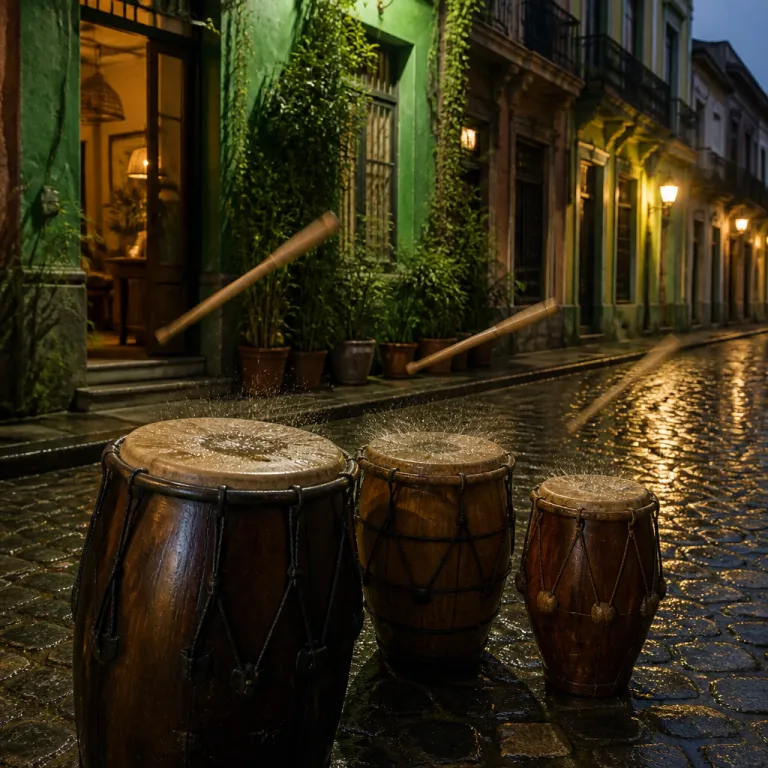
As you reach Barrio Sur, the sound of three drums often cuts through the sea breeze. These candombe drums — chico, repique and piano — echo between low houses painted with black silhouettes and latin American murals. The walk continues naturally into Palermo, sometimes called sur Palermo by locals, where afro Uruguayan comparsas rehearse for llamadas parades that define this barrio sur Montevideo candombe culture.
Local cultural organizations treat the streets as a living stage, not a backdrop. Street parades, informal drum performances and spontaneous music dance sessions all unfold within a few compact blocks, making the area manageable and engaging for a solo explorer. One advisory from community guides is clear and worth repeating verbatim : "Attend performances on weekends for best experience."
Sunday drums, llamadas routes and the rhythm of the three tamboriles
Evenings, especially Sundays, are when Barrio Sur’s candombe drumming feels most intimate. Comparsas gather on corners like Isla de Flores and Cuareim, turning quiet residential streets into corridors of afro Latin sound. The air fills with smoke from nearby parrillas while the drums set a tempo that pulls in both locals and visitors.
The llamadas processions each February follow a route that threads through Isla de Flores Street in Barrio Sur and into Palermo. Even outside carnival season, you can trace that llamadas memory by following painted house numbers, drum motifs and plaques that honor afro Uruguayan families of African descent who safeguarded this cultural form. Guides from the Afro-Uruguayan community often explain how candombe drumming has been performed since the nineteenth century and still anchors uruguayan culture today.
Listen closely and you will hear how the three drums converse rather than compete. The chico keeps a tight, high pulse, the repique improvises with agile phrases, and the piano drum lays down a deep, black bass line that grounds the ensemble. Together these candombe drums create a musical architecture that many latin American musicians, from Buenos Aires to Rio, recognize instantly.
For a solo traveler, the safest and richest experience comes from staying on well lit calles near the Rambla and following the flow of families. Local advice remains consistent : "Yes, but always stay aware of your surroundings and follow local guidelines." If you are arriving from a hotel in Ciudad Vieja after a late dinner near Mercado del Puerto, this Ciudad Vieja walking route offers a useful mental map before you continue towards Barrio Sur.
Where to stay: luxury bases for Barrio Sur’s living heritage
For travelers focused on barrio sur Montevideo candombe culture, the smartest strategy is to sleep nearby but not on the noisiest rehearsal blocks. High end properties in Ciudad Vieja and the central business district place you within a 10 to 20 minute walk of Barrio Sur while offering refined service, secure access and concierge teams who understand afro Uruguayan events. This balance lets you step into the drums at night, then retreat to calm, polished rooms when the last repique phrase fades.
Look for hotels that already curate cultural experiences with local comparsas and afro Latin organizations rather than treating candombe as a photo opportunity. Some concierges can arrange guided walks along Isla de Flores, introductions to drum makers and reserved seating for llamadas, turning a simple stay in Montevideo Uruguay into a deeper engagement with uruguayan culture. Our guide to tailored concierge services in Uruguay explains how to evaluate these offerings with the same care you apply to wine lists or spa menus.
Many luxury guests pair nights in Montevideo with time at coastal retreats or wine focused estancias inland. After an evening following candombe drums through sur Montevideo, a day tasting Albariño and Marselan at a quiet bodega offers a complementary side of latin American life, as outlined in our feature on Uruguay’s evolving wine map. This rhythm between black Atlantic music and vineyard stillness reflects the broader cultural duality of Uruguay.
When comparing properties, prioritize walkable access to the Rambla and quick transfers to Teatro Solís and Auditorio del Sodre. These venues connect the street level drum and music dance of Barrio Sur with formal musical programming, from latin jazz to classical works that occasionally reference candombe. For solo explorers, this triangulation between hotel, waterfront and theaters keeps nights efficient, safe and rich in cultural texture.
Eating, drinking and listening: where the night flows after the drums
Once the main candombe drumming session winds down, the neighborhood shifts into a slower, more conversational mode. Corner bars near Barrio Sur and sur Palermo fill with a mix of drummers, dancers and friends from other barrios of Montevideo, all decompressing over cold beer or a measured pour of uruguayan wine. The atmosphere feels unmistakably latin yet distinctly Montevideo, quieter than Buenos Aires but equally serious about music.
Seek out parrillas and cantinas that have long served the afro Uruguayan community, where people of African descent, migrants from the interior and visiting latin American artists share tables. Menus tend to be simple — grilled meats, milanesas, papas fritas — but the cultural layering is complex, with black and white photographs of past llamadas, framed drum skins and posters of Carlos Gardel nodding to the tango ties with Buenos Aires. In these rooms, barrio sur Montevideo candombe culture is not staged ; it is simply how the night unfolds.
Music continues even when the formal drums are silent. Someone might tap a light drum pattern on the bar, another guest hums a musical phrase, and soon a fragment of afro Latin rhythm reappears, reminding you that uruguayan culture here is inseparable from sound. This is where the memory of past generations, from early people African enslaved in the port to modern afro Uruguayan youth, feels most present.
Luxury travelers who value discretion will appreciate how these spaces welcome outsiders without fuss. Dress is relaxed but respectful, and solo visitors who listen more than they speak are usually drawn into conversation naturally. For many guests, these late hours — half bar, half informal cultural salon — become the most vivid memory of Montevideo Uruguay.
From street to stage: Teatro Solís, Auditorio del Sodre and curated immersion
While Barrio Sur’s streets remain the heart of candombe, Montevideo’s major theaters offer another lens on this african rooted form. Teatro Solís, a neoclassical landmark near Ciudad Vieja, regularly hosts programs that frame afro Uruguayan traditions within broader latin American musical narratives. A short ride away, Auditorio del Sodre presents dance and music that often reference uruguayan culture’s black Atlantic heritage.
For travelers who prefer structured experiences, these venues provide curated introductions to candombe and related music dance forms. Program notes explain how drums of African descent evolved into today’s three drums ensemble, and how llamadas processions connect Montevideo to wider latin America. Attending a performance here before or after a night in Barrio Sur helps contextualize what you hear on Isla de Flores or Cuareim Candombe rehearsals.
High end hotels in the center are well placed to coordinate tickets, private transfers and even backstage conversations with artists. Some concierges maintain relationships with comparsas and cultural institutions, ensuring that guests engage respectfully with afro Latin communities rather than treating them as entertainment. This approach aligns with the goals of local partners who aim to "Maintain cultural identity.", "Educate public about Candombe.", and "Foster community pride."
Writers such as Robert Farris Thompson have long argued that black Atlantic aesthetics shape much of latin American urban life, and Barrio Sur offers a concise, walkable case study. From Ciudad Vieja to sur Palermo, from informal drum circles to formal musical stages, the city reveals how african and european influences coexist without spectacle. For the solo explorer, this is Montevideo at its most honest : refined yet raw, measured yet always ready for the next roll of the drum.
FAQ: barrio Sur, candombe and luxury stays in Montevideo
What is candombe and why is Barrio Sur important ?
Candombe is a traditional Afro-Uruguayan music and dance form featuring drum ensembles. Barrio Sur and Palermo are historically afro Uruguayan neighborhoods where people of African descent preserved this cultural practice through community gatherings, llamadas parades and year round rehearsals. For visitors, these barrios offer the most authentic access to barrio sur Montevideo candombe culture.
When is the best time to experience candombe in Montevideo ?
Evenings, especially on weekends, offer the most vibrant performances. Sunday nights are particularly active in Barrio Sur and sur Montevideo, when comparsas rehearse on streets like Isla de Flores and Cuareim. Carnival season intensifies activity, but regular drum practices continue throughout the year.
Is it safe to attend candombe performances in Barrio Sur as a solo traveler ?
Yes, but always stay aware of your surroundings and follow local guidelines. Stick to well lit streets near the Rambla, avoid displaying valuables and follow the flow of families and local spectators. Many luxury hotels can arrange guided visits or trusted drivers to and from Barrio Sur for added peace of mind.
How close should I stay to Barrio Sur to enjoy the drums comfortably ?
Staying in Ciudad Vieja or the central business district places you within a short walk or quick taxi ride of Barrio Sur while preserving quiet nights. This positioning lets you enjoy candombe drums and music dance in the evening, then return to a calm, secure environment. It also keeps you near Teatro Solís and Auditorio del Sodre for more formal cultural programming.
Can luxury hotels arrange authentic candombe experiences without feeling touristy ?
Many premium properties in Montevideo work with local cultural organizations and afro Uruguayan comparsas to design respectful, small scale experiences. These might include guided walks along the llamadas route, visits to drum makers or tickets to performances that highlight uruguayan culture’s african roots. When booking, ask specifically how the hotel collaborates with community partners and whether experiences support people of African descent in Barrio Sur and Palermo.
References
Municipio B, Montevideo — official demographic and cultural data on Afro-Uruguayan communities.
UNESCO Intangible Cultural Heritage list — entry on Candombe and its significance in Uruguay.
Ministerio de Educación y Cultura de Uruguay — documentation on Carnival, llamadas and uruguayan culture policies.