Bahia Vik José Ignacio: where eco marketing meets the Uruguayan grid
Bahia Vik José Ignacio is often cited as a benchmark for eco luxury on the Atlantic coast of Uruguay. The marketing story leans heavily on solar panels, native landscaping and water conservation, yet in a country where almost all electricity already comes from renewables, the Bahia Vik José Ignacio sustainability narrative needs a more nuanced reading. For a solo traveler choosing a hotel in José Ignacio or elsewhere in South America, the real question is what you can actually see, feel and verify during your stay.
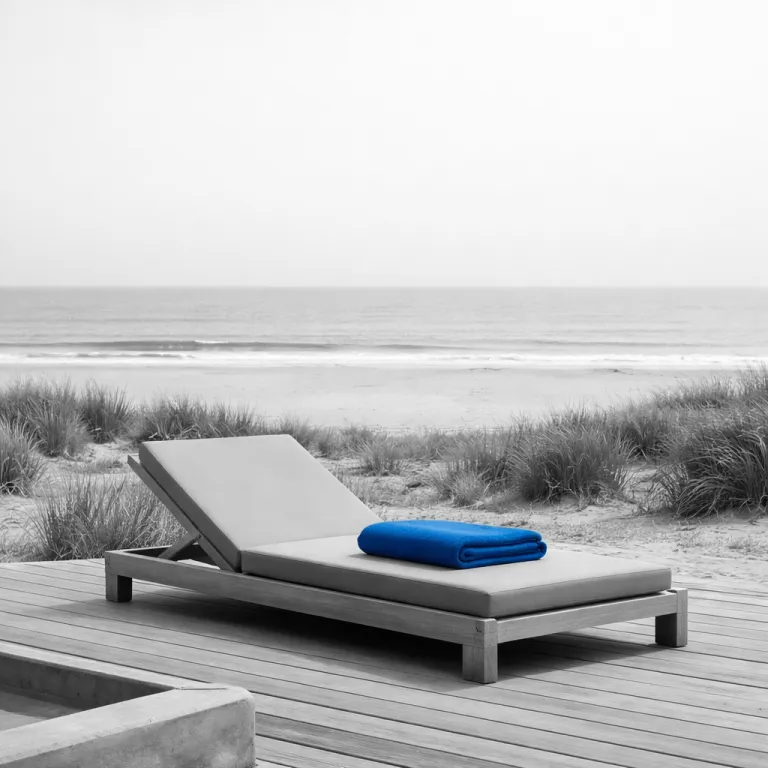
Across South American high end properties, eco luxury usually means a familiar checklist of solar energy, recycling points and local sourcing on the menu. Bahia Vik, part of the wider Vik Retreats portfolio that includes Estancia Vik in José Ignacio and Viña Vik in Chile, follows that pattern with energy efficient systems, waste reduction programs and partnerships with local environmental organizations. The difference in José Ignacio is the way the main building and low slung bungalows sit in the dunes, giving every room a close relationship with the beach and a view that makes the sustainability story feel rooted in place rather than in a brochure.
Uruguay’s national grid is already powered by a very high share of renewable energy, with official figures from the Ministry of Industry and UTE indicating that more than 90 percent of electricity generation has come from wind, solar, hydro and biomass in recent years, so a guest focused on Bahia Vik José Ignacio sustainability should not overvalue the presence of solar panels alone. The hotel does use solar energy and water conservation systems, but these are now baseline expectations for any serious five star coastal property in South America, not a unique selling point. When you check in, what will stand out more is the Uruguayan art on the walls, the restrained design of each room and the way the property protects the dune line instead of flattening it for a conventional view hotel experience.
From dunes to dining: what eco luxury looks like on the ground
Walk from the main building of Bahia Vik down to the playa and you understand the strongest part of the Bahia Vik José Ignacio sustainability story. The complex occupies around four hectares, yet the architecture steps back from the beach, allowing the dunes and native grasses to dominate the first line of sight. This restraint contrasts with older real estate models along the Costa de Oro and near Punta del Este, where concrete often replaced coastal ecosystems in the race for a better view.
The landscaping at Bahia Vik uses native species that are adapted to the José Ignacio climate, which reduces irrigation needs and supports local biodiversity. Paths weave through low vegetation rather than manicured lawns, and the transition from room to playa feels almost seamless, a design choice that respects both the Atlantic winds and the fragile dune system. For travelers comparing luxury eco resorts in Uruguay, this integration of design and landscape is more meaningful than a generic sustainability label, and it is explored in depth in our guide to sustainable elegance at Uruguayan coastal retreats.
Inside, the hotel’s commitment to local sourcing is most tangible at the table, where Uruguayan produce, Atlantic fish and regional wines anchor the menu. The owners’ South American art collection, already visible at Estancia Vik and Playa Vik, continues here with works that reference José Ignacio, Punta del Este and wider South America, turning corridors into a quiet gallery. When staff explain that “Energy-efficient systems, waste reduction, local sourcing.” sit behind the scenes, the guest sees the last part of that quote most clearly in the glass and on the plate, while the first two elements are only briefly summarized in the hotel fact sheet and sustainability documentation.
Where the sustainability story thins: certification, water and transparency
For a solo explorer who reads sustainability reports as carefully as wine lists, Bahia Vik José Ignacio sustainability raises a tougher question. How much of the eco narrative can you independently verify during a three night stay, beyond the visible solar panels and the recycling bins near the main building. The answer, at Bahia Vik and across many South American coastal hotels, is that the guest experience still lags behind the ambition of the marketing copy.
Bahia Vik has implemented water conservation systems and waste reduction programs, yet there is limited on site information about grey water reuse, laundry practices or concrete targets for reducing consumption per room. You will see gentle prompts to reuse towels and to use the provided recycling facilities, but you will not easily find detailed data on subject availability such as seasonal occupancy versus resource use, or third party audits that go beyond a single eco certification or basic environmental compliance. For a property that positions itself as a regional hot spot for eco luxury in Ignacio Uruguay, the next step should be more radical transparency rather than another abstract reference to sustainable travel.
The wider Vik Retreats portfolio, from Estancia Vik in the Uruguayan countryside to Viña Vik and other Vik Chile properties in the Andes, has long linked art, architecture and landscape. That strength is clear at Bahia Vik, where the design of each room and the curated art pieces speak more loudly than any logo on a sustainability page. To convince the new wave of high intent travelers from across South America and beyond, the group will need to match that design clarity with equally precise reporting on supply chains, staff conditions and the full life cycle of every new real estate project it undertakes along the José Ignacio and Punta del Este corridor, ideally supported by independent certification or external audits that can be consulted before booking.
Why you really book Bahia Vik: art, light and the José Ignacio rhythm
Strip away the marketing language and Bahia Vik José Ignacio sustainability becomes one part of a broader decision for the independent traveler. You book this hotel because you want to wake up with the Atlantic light pouring across polished concrete, because you want to walk from your room along the playa to the José Ignacio lighthouse before breakfast. You choose it over a more conventional five star resort in Punta del Este because the scale feels human, the Uruguayan staff remember your coffee order and the art on the walls reflects the country you came to see.
Each of the 15 bungalows offers a slightly different view and design, some oriented toward the beach, others angled to frame the village of José Ignacio or the open fields that hint at nearby estancias. The connection to Estancia Vik and Playa Vik means you can move between a rural estancia stay, a cliffside playa experience and this dune level beach hotel, building a multi night itinerary that samples three distinct interpretations of Uruguayan coastal life. For a solo traveler, that flexibility matters more than whether the marketing team describes the group as Vik Jose or Vik Retreats, because the lived experience is about rhythm, not branding.
Evenings bring a quiet social life that suits the Ignacio José pace, with small scale events, art focused gatherings and the occasional tasting that nods to Viña Vik and the wider Vik Chile wine universe. You might check emails in the lounge while the sun drops behind José Ignacio Bahía, then wander out to the sand with a glass of Tannat as the last surfers leave the water. If you care deeply about sustainability, you will notice the restrained lighting, the absence of intrusive sound systems on the beach and the way the property encourages walking rather than constant vehicle transfers between the hotel and the village.
Raising the bar: what eco luxury in Uruguay should mean next
Bahia Vik sits at an interesting crossroads for Uruguayan luxury hospitality. It already does more than many regional competitors on landscape integration and local sourcing, yet the Bahia Vik José Ignacio sustainability story still feels under leveraged when it comes to hard data and guest facing transparency. For Uruguay’s national tourism strategy, which aims to attract high value travelers from across South America and beyond, this gap is both a risk and an opportunity.
Eco luxury in Uruguay should move beyond generic claims about solar panels and recycling, especially in a country where the grid is already dominated by renewable energy. The next generation of coastal hotels from José Ignacio to Punta del Este and along the broader del Este shoreline will need to publish clear metrics on water use, waste diversion and staff welfare, ideally verified by independent organizations rather than internal checklists. Guests should be able to check these figures as easily as they check room categories or subject availability when planning a stay through a premium booking platform.
For travelers using myuruguaystay.com to compare a beach hotel in Ignacio Uruguay with an inland estancia or a design forward view hotel in Montevideo, the editorial lens will remain sharp. We will continue to highlight properties where the art program, architecture and service justify the rate, while also asking for better reporting on everything from supply chains to the long term impact of new real estate developments on the coastline. If you want to go deeper into how gastronomy fits into this picture, our guide to exquisite culinary experiences in Uruguayan luxury hotels shows how a plate of grilled corvina can tell you as much about sustainability as any policy document.
Key figures shaping sustainable luxury in José Ignacio
- Bahia Vik José Ignacio extends across approximately four hectares of coastal land in Maldonado, a scale that allows for low rise construction and significant preservation of native dune vegetation compared with denser developments along the Punta del Este corridor (hotel fact sheet and planning documentation).
- The property offers 15 individual bungalows in addition to the main building, a relatively small key count that supports a quieter guest experience and reduces the per night footprint compared with large South American resort complexes (hotel fact sheet and official website).
- Bahia Vik has implemented energy efficient systems, solar panels and water conservation measures since shortly after opening, aligning with Uruguay’s national shift toward a predominantly renewable electricity grid and reflecting the growing demand for sustainable luxury tourism in the region (hotel sustainability documentation and national energy statistics).