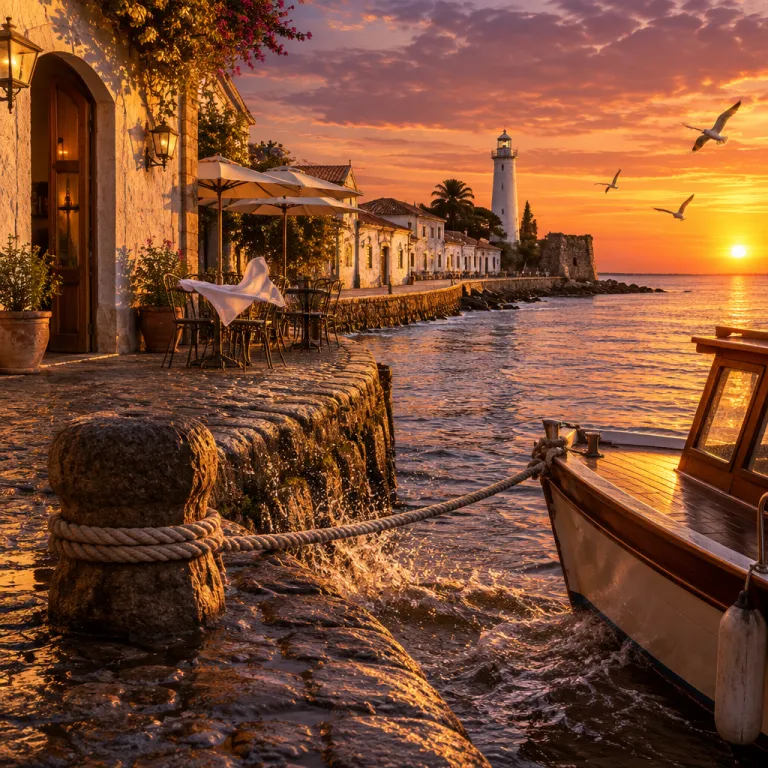
Why colonia del sacramento is the most graceful historic escape in Uruguay
Colonia del Sacramento is a small city that feels like a perfectly preserved dream. This riverfront town in Uruguay blends Spanish and Portuguese legacies in a way that feels intimate yet quietly grand. For travelers planning a luxury trip, the mix of heritage site architecture, refined hotels, and slow travel rhythm makes Colonia one of the sacramento best options in South America.
The historic quarter, known locally as the barrio histórico, is the heart of the experience and the main reason many visitors choose this place over a larger city. Within a few minutes you move from the waterfront of the Río de la Plata to cobblestone streets lined with stone houses, art galleries, and discreet high end guesthouses. This compact scale means you can enjoy a relaxed day trip or extend your time into several days without ever feeling rushed.
Colonia del Sacramento Uruguay also works beautifully as part of a wider travel itinerary that includes Montevideo and the Atlantic coast. Many guests arrive by ferry from Buenos Aires, turning the crossing of the Río de la Plata into a scenic prelude to their stay. Others arrive by road from Montevideo, combining a night in the capital with a slower second chapter in this riverside town.
The layered history behind the town’s elegance
The story of Colonia del Sacramento is written in its stones and plazas. Founded by the Portuguese in 1680 and later contested by the Spanish, the town still shows both influences in its street plan and architecture. You see this clearly when you walk from the Portón de Campo gate into the historic quarter and notice how the cobblestone streets shift direction and width.
The plaza mayor and the smaller plazas around it reveal how the city once functioned as a strategic outpost on the Río de la Plata. Today these same squares host refined cafés, wine bars, and design forward hotels that cater to travelers seeking comfort and character. Many visitors say that one of the most memorable things Colonia offers is the sense of stepping into a living open air museum without sacrificing modern luxury.
Because the historic quarter is a UNESCO World Heritage Site, strict preservation rules protect the town’s fabric. UNESCO’s 1995 inscription notes that the historic quarter of Colonia del Sacramento covers roughly 16 hectares, a compact footprint that concentrates the main sights. This status reassures discerning guests that the charm they enjoy today will remain intact for future trips and explains why high end properties here tend to restore existing buildings rather than construct new ones.
How long to stay and when to go
Many travelers first encounter Colonia del Sacramento as a simple day trip from Buenos Aires. The ferry Buenos Aires to Colonia route typically takes around one to two hours, depending on the company and service class you choose. That short travel time makes it easy to leave the bustle of Buenos Aires in the morning and be walking the cobblestone streets of Colonia by late morning.
Yet those who stay overnight often say that the sacramento best moments happen after the last day tour groups leave. As evening falls, the plaza mayor and the waterfront promenade grow quieter, and the town’s wine bars and refined restaurants come into their own. If your schedule allows, plan at least one night in Colonia del Sacramento Uruguay to enjoy this softer side of the city.
In terms of time of year, Colonia works well in every season, though the warm months are ideal for sunset walks along the Río de la Plata. Cooler months suit travelers who prefer empty streets, long lunches, and unhurried wine tasting sessions. Whenever you travel, booking your preferred hotel category early is wise because the historic quarter has limited inventory and peak weekends can sell out weeks in advance.
Arriving from Buenos Aires by ferry and planning your day trip rhythm
For many luxury travelers, the journey from Buenos Aires to Colonia del Sacramento is part of the pleasure. Modern ferries cross the Río de la Plata several times a day, offering business class style seating and sometimes private lounges. Booking an upgraded cabin on the ferry Buenos Aires route can turn a simple transfer into a calm prelude to your stay in Uruguay.
Once you arrive in Colonia, the terminal sits a short taxi ride or a pleasant walk from the historic quarter. This proximity makes it easy to structure a flexible day trip or an overnight stay without losing time in transit. If you are arriving from Buenos Aires for only one day, consider pre booking a private tour so you can focus on the most meaningful things Colonia offers.
Travelers who prefer a slower rhythm often choose to stay at least one night in Colonia del Sacramento Uruguay before returning to Buenos Aires. This allows time for a sunset walk by the water, a relaxed dinner with local wine, and perhaps a late evening stroll through the barrio histórico. The town feels different after dark, with the lighthouse and the basilica of the Blessed Sacrament softly illuminated.
Designing a refined itinerary from Montevideo and beyond
Colonia also fits naturally into a broader Uruguay travel circuit that includes Montevideo and the Atlantic coast. Many guests begin with a stay in the capital, perhaps at a grand property such as the Sofitel Montevideo Carrasco, which is reviewed in depth in this family friendly luxury hotel review. From Montevideo, the drive to Colonia del Sacramento takes around two and a half hours, following the Río de la Plata shoreline.
This route allows you to experience both the urban energy of the capital city and the slower pace of a historic town. Some travelers then continue north or east, linking Colonia with wine regions and coastal resorts for a varied trip. Others return to Buenos Aires by ferry, turning Colonia into a graceful bridge between two countries in South America.
Whichever direction you choose, plan your time so that Colonia is not rushed. The most rewarding things Colonia offers often emerge when you sit in a plaza, linger over a glass of wine, or wander the cobblestone streets without a fixed agenda. Luxury here is measured less in spectacle and more in unhurried hours.
Private transfers, guides, and timing your arrival
High end travelers often arrange private transfers between the ferry terminal and their hotel to save time. This is especially useful if you are arriving on a busy day trip ferry from Buenos Aires and want to reach your property before the crowds. A private guide can also help you navigate the historic quarter efficiently while still leaving space for spontaneous moments.
When planning your arrival time, consider the light and the tides of the Río de la Plata. Morning ferries from Buenos Aires give you a full day in town, while late afternoon arrivals set you up for a sunset drink overlooking the water. If you are combining Colonia del Sacramento Uruguay with other destinations, align your transfers so that you are not moving during the most beautiful hours of the day.
For guests who value privacy, midweek arrivals usually mean fewer large tour groups in the historic quarter. This can make your walks through the barrio histórico, the plaza mayor, and the waterfront feel more intimate. It also increases your chances of securing prime tables at the best restaurants and wine bars.
Inside the historic quarter: where to stay for character and comfort
The historic quarter of Colonia del Sacramento is where most luxury and premium hotels cluster. Staying inside this compact area means you can step directly from your room onto cobblestone streets and reach the plaza mayor or the waterfront in minutes. For many guests, this proximity is one of the sacramento best reasons to choose a heritage property over a modern hotel outside the center.
Several high end addresses occupy restored Portuguese and Spanish era houses, blending original stone walls with contemporary design. These properties often feature inner courtyards, river views, and small pools or gardens that feel like private sanctuaries. When you book, pay attention to whether your room faces a quiet lane, a plaza, or the Río de la Plata, as each offers a different sense of place.
One of the most atmospheric stays in Colonia del Sacramento is explored in detail in this account of a solo stay at Charco Hotel, which you can read in the article about being inside the 1680 stones. Properties like this show how carefully restored buildings can offer both history and modern comfort. They also demonstrate why booking early is essential, as room counts are small and demand from Buenos Aires and Montevideo remains strong.
Choosing between river views, plazas, and quiet lanes
When selecting a hotel in Colonia del Sacramento Uruguay, think about how you like to experience a city. River facing rooms along the Río de la Plata offer wide horizons and spectacular sunsets, ideal if you plan to spend time in your room or on a terrace. Rooms overlooking the plaza mayor or smaller plazas immerse you in the daily rhythm of the town, with cafés and street life just below.
Travelers who value tranquility often prefer rooms on narrow cobblestone streets behind the Portón de Campo. These lanes feel almost private after the day trip crowds leave, and they suit guests who want to retreat between walks and meals. In all cases, ask about soundproofing and window orientation, especially if you are sensitive to late evening noise from restaurants or bars.
Some properties also offer suites with small gardens or patios, which can be perfect for longer stays. These spaces allow you to enjoy a glass of wine outdoors while still feeling at home. They also provide a quiet setting for planning the next stage of your Uruguay travel itinerary.
Service, amenities, and what luxury means in a small town
Luxury in Colonia del Sacramento is more about attentive service and sense of place than about vast facilities. You will not find large resort style complexes here, but you will encounter staff who remember your preferences and help you shape each day. Many hotels can arrange private tours of the historic quarter, wine tasting experiences, and transfers to and from the ferry.
Amenities often include small pools, refined breakfast spreads with local products, and curated wine lists that highlight Uruguay’s Tannat and other varietals. Some properties also offer in room spa treatments or access to nearby wellness facilities, which can be welcome after a long trip. When comparing options, look beyond star ratings and focus on recent guest feedback about service consistency and maintenance.
Because Colonia is a compact town, you are never far from the main things Colonia offers, regardless of where you stay in the historic quarter. This means you can prioritize atmosphere and service style over strict location. It also encourages you to explore on foot, which is the best way to appreciate the textures and details of this heritage site.
Walking the cobblestone streets: key sights and refined experiences
Exploring Colonia del Sacramento on foot is one of the purest pleasures of any trip to Uruguay. The cobblestone streets of the barrio histórico invite slow wandering, with each corner revealing a new perspective on the town’s layered history. Because the historic quarter is compact, you can see the main sights in a day while still leaving time for cafés and wine bars.
Start at the Portón de Campo, the old city gate, and walk toward the plaza mayor, where you will find a mix of colonial buildings, small museums, and shaded benches. From there, narrow lanes lead toward the waterfront and the lighthouse, which offers panoramic views over the Río de la Plata and the tiled roofs of the city. Many visitors say that climbing the lighthouse near sunset is one of the most quietly spectacular things Colonia offers.
Do not miss the basilica of the Blessed Sacrament, which anchors one of the town’s most atmospheric squares. Its simple façade and serene interior contrast with the lively cafés nearby, creating a balance between contemplation and social life. This church, together with the surrounding streets, helps explain why Colonia del Sacramento Uruguay holds such a strong emotional pull for many travelers.
Curated tours and ways to deepen your understanding
While it is easy to wander alone, a well designed tour can reveal layers you might otherwise miss. Private guides often structure their walks around themes such as Portuguese versus Spanish architecture, maritime history on the Río de la Plata, or daily life in the historic quarter. These tours can be tailored to your interests and your available time, whether you are on a quick day trip or a longer stay.
Some visitors prefer to combine a classic walking tour with a visit to small museums housed in restored buildings around the plaza mayor. These spaces showcase artifacts from the town’s past, including maps, furniture, and maritime objects that connect Colonia del Sacramento to wider South America. For photography enthusiasts, guides can also time walks to capture the best light on the cobblestone streets and riverfront.
If you are traveling from Buenos Aires just for the day, consider booking a tour that begins directly at the ferry terminal. This saves time and ensures you see the Portón de Campo, the lighthouse, the basilica of the Blessed Sacrament, and the key plazas without rushing. For overnight guests, a twilight tour can be especially atmospheric, as the town’s lights reflect on the Río de la Plata.
Fun things to do beyond the classic postcard views
Beyond the main monuments, Colonia del Sacramento offers many subtle pleasures. You can spend an afternoon browsing small galleries and design shops tucked into old Portuguese houses, then pause for a glass of wine on a shaded terrace. Food lovers will find that one of the most fun things to do is to sample local takes on river fish, grilled meats, and contemporary Uruguayan cuisine.
Cycling along the waterfront is another way to experience the town and its surroundings. Several hotels and rental shops offer bicycles, allowing you to ride beyond the historic quarter to quieter stretches of the Río de la Plata. This can be a welcome contrast to the cobblestone streets, especially if you are staying more than one day.
For those who enjoy slower moments, simply sitting in a plaza and watching daily life unfold can be deeply satisfying. The rhythm of Colonia del Sacramento Uruguay encourages you to pause, observe, and let time stretch. In a world of constant motion, that may be the greatest luxury this town offers.
Wine, gastronomy, and slow evenings on the Río de la Plata
Colonia del Sacramento has quietly become a refined destination for wine and food within Uruguay. While it is not a vineyard town itself, it serves as a gateway to nearby wine regions and offers excellent wine lists in its restaurants and bars. Many menus highlight Tannat, Uruguay’s flagship grape, alongside fresh whites and elegant blends that pair well with river fish and grilled meats.
Wine tasting experiences in Colonia range from informal flights in small bars to curated sessions led by sommeliers. Some hotels organize private wine tasting evenings that showcase both local producers and labels from across South America. These events often take place in courtyards or terraces, where you can feel the evening breeze from the Río de la Plata while you taste.
For travelers who plan their trip around gastronomy, it is worth booking dinner reservations in advance, especially on weekends and during holidays. The most sought after tables are often in restored colonial houses near the plaza mayor or along the waterfront. Here, the combination of candlelit stone walls, thoughtful service, and well chosen wine lists creates a quietly luxurious atmosphere.
From café mornings to riverfront sunsets
Mornings in Colonia del Sacramento often begin with strong coffee and medialunas in a café facing a plaza or a cobblestone lane. This is the time to watch the town wake up, as locals head to work and early tour groups arrive from Buenos Aires. If you are staying overnight, lingering over breakfast is one of the simple things Colonia encourages you to do.
As the day warms, many travelers move toward the waterfront for a light lunch with views of the Río de la Plata. The river’s wide expanse and shifting colors give a sense of space that contrasts with the intimacy of the historic quarter. In the late afternoon, the same terraces become prime spots for a glass of wine or a cocktail as the sun lowers.
Evenings are when Colonia del Sacramento Uruguay feels most romantic. Streetlights cast a soft glow on the cobblestone streets, and the lighthouse beam sweeps slowly across the sky. Walking back to your hotel after dinner, you understand why so many visitors return to this town on future trips.
Day trips to nearby vineyards and countryside
While Colonia itself is a compact city, the surrounding countryside offers opportunities for wine focused excursions. Several vineyards within driving distance welcome visitors for tours, tastings, and long lunches among the vines. These experiences can be arranged through your hotel or a specialized travel agency, often including private transfers.
Combining a morning in the historic quarter with an afternoon of wine tasting creates a balanced day that showcases both culture and landscape. You might begin with a walk through the barrio histórico and a visit to the basilica of the Blessed Sacrament, then head into the countryside for a leisurely meal. On the way back, the views of the Río de la Plata at sunset provide a fitting end to the day.
For travelers designing a longer Uruguay itinerary, Colonia can serve as a gentle introduction to the country’s wine scene before heading to larger wine regions. This approach allows you to sample styles and learn about local producers in an intimate setting. It also reinforces the sense that time in Colonia del Sacramento is best enjoyed slowly, glass by glass.
Linking Colonia with Uruguay’s wider luxury landscape
Colonia del Sacramento rarely stands alone in a sophisticated Uruguay itinerary. Many travelers pair this historic town with Montevideo and the Atlantic coast, creating a journey that moves from urban energy to riverside calm and finally to oceanfront retreat. Each place offers a different expression of luxury, and together they reveal the country’s quiet confidence.
From Colonia, it is straightforward to continue east toward coastal destinations such as José Ignacio, where design forward hotels and art filled spaces attract a discerning crowd. Properties like Posada Ayana, profiled in this feature on a light bathing retreat in José Ignacio, show how Uruguay’s hospitality scene blends architecture, art, and landscape. Returning to Colonia after such a stay can feel like slipping back into a favorite book.
Some guests also combine Colonia del Sacramento with inland estancias, where horseback riding and asado lunches provide a different sense of time and space. In this context, the town’s cobblestone streets, plazas, and lighthouse become one chapter in a broader story of South America’s quieter corners. The key is to design your trip so that each place complements the others rather than competing for attention.
Balancing city stays with historic town escapes
When planning a journey that includes Buenos Aires, Montevideo, and Colonia del Sacramento, think in terms of rhythm. Buenos Aires offers intensity, late nights, and a dense list of things to do, from tango shows to contemporary art. Montevideo provides a softer urban experience, with rambla walks along the Río de la Plata and neighborhoods that reward unhurried exploration.
Colonia then acts as a pause, a place where time stretches and the list of must see sights is short enough to leave room for serendipity. This balance is especially valuable for travelers on longer trips through South America, who may crave a few days of calm between major cities. By placing Colonia in the middle of your itinerary, you give yourself space to rest and reflect.
For those arriving from Buenos Aires, the ferry crossing itself can mark the transition from one pace of life to another. Stepping off the boat into a town where the loudest sounds are often birds and distant conversations feels almost ceremonial. It is in these contrasts that the true luxury of Colonia del Sacramento Uruguay reveals itself.
Practical tips for a seamless high end stay
To make the most of your time in Colonia del Sacramento, book key elements well in advance. This includes ferry tickets from Buenos Aires, preferred room categories in the historic quarter, and any private tours or wine tasting experiences. Because the town is small and popular, last minute availability can be limited, especially during regional holidays.
Pack comfortable shoes suitable for cobblestone streets, as most of the historic quarter is best explored on foot. If you are sensitive to sun or wind, remember that the Río de la Plata can amplify both, so bring appropriate layers and sun protection. For photography, the soft light just after sunrise and before sunset flatters the stone walls, plazas, and the lighthouse.
Finally, allow yourself unstructured time. The most memorable things Colonia offers often arise when you sit on a bench in the plaza mayor, watch the light change on the Río de la Plata, or wander a side street with no particular goal. In a town where history, water, and hospitality meet so gracefully, that is where the essence of the place resides.
Key figures and travel statistics for Colonia del Sacramento
- According to Uruguay’s Ministry of Tourism and national statistics, Colonia del Sacramento receives several hundred thousand visitors annually, with a significant share arriving by ferry from Buenos Aires, underscoring its role as a primary cross Río de la Plata gateway.
- Official ferry operators report that the Buenos Aires to Colonia route can take as little as one hour on high speed services and up to around two hours on standard crossings, making it one of the shortest international city to city ferry links in South America.
- UNESCO notes that the historic quarter of Colonia del Sacramento covers roughly 16 hectares, a compact size that allows most travelers to explore the main cobblestone streets and plazas comfortably within a single day.
- Uruguay’s national statistics agency indicates that tourism contributes around 7 % of the country’s GDP, with heritage destinations such as Colonia del Sacramento playing a key role in attracting higher spending international visitors.
- Regional tourism data show that Argentina and Brazil remain the top source markets for Uruguay, and the strong flow of day trip and overnight visitors from Buenos Aires helps sustain Colonia’s year round hospitality sector.
FAQ about luxury and premium stays in Colonia del Sacramento
Is Colonia del Sacramento worth more than a day trip from Buenos Aires ?
Yes, Colonia del Sacramento rewards at least one overnight stay, especially for travelers interested in luxury or premium hotels. While a day trip from Buenos Aires allows you to see the main sights, staying the night lets you experience the town after the crowds leave. Evening walks, quiet plazas, and unhurried dinners are central to the town’s appeal.
Where should I stay in Colonia for a high end experience ?
The most atmospheric luxury and premium options are inside the historic quarter, near the plaza mayor or along the Río de la Plata. These properties occupy restored colonial buildings with features such as stone walls, inner courtyards, and river views. Booking early is important because room numbers are limited and demand from Buenos Aires and Montevideo is strong.
How do I get from Buenos Aires to Colonia del Sacramento ?
The most convenient route is by ferry from Buenos Aires to Colonia, with several departures daily. High speed services take around one hour, while standard ferries can take up to two hours. Many travelers book business class style seating for extra comfort and a smoother transition into their Uruguay trip.
What are the must see sights in Colonia del Sacramento ?
Key sights include the Portón de Campo city gate, the cobblestone streets of the barrio histórico, the plaza mayor, the lighthouse, and the basilica of the Blessed Sacrament. Together, these landmarks illustrate why the historic quarter is a UNESCO World Heritage Site. Most can be visited comfortably on foot within a day.
Can I combine Colonia with other luxury destinations in Uruguay ?
Colonia del Sacramento combines easily with Montevideo, coastal resorts such as José Ignacio, and inland estancias. Many travelers design itineraries that move from Buenos Aires to Colonia, then continue by road to the capital and the Atlantic coast. This approach offers a varied yet coherent view of Uruguay’s high end hospitality landscape.