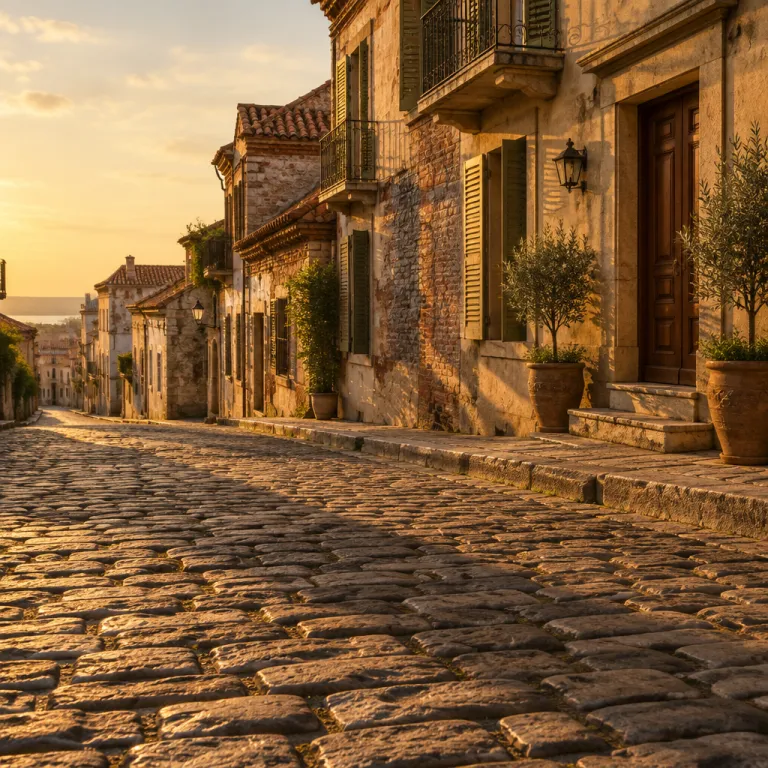
Historic Montevideo city escapes for luxury minded travelers
Montevideo, Uruguay offers a rare blend of Atlantic light, river horizons, and intimate historic streets. The capital city stretches along the Río de la Plata with a relaxed rhythm that sets it apart from many places in Latin America. For travelers seeking refined hotels and a strong sense of place, the Montevideo experience feels both quietly glamorous and deeply authentic.
The historic heart called Ciudad Vieja concentrates many of the most atmospheric stays, where every building whispers stories in Spanish and Italian accented voices. Around this compact old quarter, you find grand avenues leading to Plaza Independencia and on toward the busy centro, creating a natural route for elegant urban walks. Luxury and premium hotels here often occupy restored mansions or early twentieth century towers, placing guests right inside Montevideo’s main heritage district.
Choosing the right neighborhood matters when you plan a historic city escape in Uruguay. Some travelers prefer living Montevideo moments in Ciudad Vieja, close to the port and the old customs building, while others gravitate toward the greener area around Parque Rodó and the refined Punta Carretas coastline. Each district offers international level comfort yet a distinct local character, from art filled lobbies to river facing terraces and rooftop lounges.
Where history meets the water in Ciudad Vieja and centro
Ciudad Vieja forms the oldest part of Montevideo, framed by the port and the curve of the bay. Here the grid of streets leads you from the gateway of Puerta de la Ciudadela to Plaza Independencia, which acts as the symbolic center of the capital. Around this plaza, you see the statue of José Artigas, the mausoleum beneath, and a mix of colonial facades and modern glass towers.
Many premium hotels in this area occupy a historic building that has been carefully restored. Guests can wake to views over the harbor, the domes of churches, or the towers of the former stock exchange in the city skyline. Properties such as Sofitel Montevideo Casino Carrasco & Spa, Alma Histórica Boutique Hotel, or Radisson Montevideo Victoria Plaza illustrate how original details like wrought iron balconies and marble staircases can coexist with contemporary comforts.
The adjacent centro district extends the urban story with wider avenues and more contemporary architecture. This central zone is ideal if you want quick access to both Ciudad Vieja and the commercial core, while still being able to find quiet side streets. From here, it is easy to reach Plaza Independencia, the financial area, and the coastal rambla that curves toward Parque Rodó and Punta Carretas.
Elegant coastal neighborhoods: Punta Carretas and Parque Rodó
Moving east from the historic center, the coastline opens into a sequence of refined neighborhoods. Punta Carretas stands out as one of the most desirable areas in Montevideo, Uruguay for luxury stays, thanks to its ocean facing rambla and high end shopping. Here, the local lifestyle feels leisurely, with runners, cyclists, and families enjoying the long waterfront promenade.
Hotels in Punta Carretas often highlight panoramic views over the Río de la Plata, especially at sunset when the sky turns soft pink and gold. Many properties sit near the Punta Carretas Shopping mall, which occupies a former prison building and now houses international brands, cinemas, and stylish cafés. This area also offers international dining options, from contemporary Uruguayan parrillas to seafood restaurants overlooking the water and intimate wine bars on side streets.
Just to the west, Parque Rodó and the adjacent Rodo Park area provide a greener, more bohemian atmosphere. Around Parque Rodó, you find tree lined streets, art deco houses, and a small lake inside the park itself, making it a favorite neighborhood for couples and culture lovers. One recent visitor described an early morning walk here as “stepping into a film set, with joggers, dog walkers, and the smell of fresh medialunas from a corner bakery.” This district connects easily back to the centro and Ciudad Vieja by bus or taxi, while still feeling like a calm retreat within the wider city.
Street art, markets, and family friendly stays
Families planning a stay in Montevideo, Uruguay often look for neighborhoods that balance culture, safety, and open spaces. The stretch between Ciudad Vieja, the centro, and Parque Rodó offers exactly this mix, with plazas, museums, and parks all within a short distance. For a deeper sense of local life, many travelers follow curated routes such as a family walk through Ciudad Vieja street art and Mercado del Puerto.
In Ciudad Vieja, the Mercado del Puerto area combines traditional parrillas with contemporary galleries and murals. Children enjoy watching street performers in the plaza outside, while adults appreciate the historic iron and glass structure of the market building. Premium hotels nearby often arrange guided walks in Spanish or English, helping guests find the most interesting corners of the old quarter and pointing out hidden courtyards or small artisan workshops.
Parque Rodó and Rodo Park bring a different energy, with a small amusement park, weekend craft markets, and the nearby National Museum of Visual Arts. Many hotels in this area highlight family suites, connecting rooms, and easy access to the park and the rambla. This combination of cultural venues and open green space makes the Parque Rodó neighborhood a strong choice for multi generational trips and longer city breaks.
Architectural heritage and design led stays in Montevideo
Architecture lovers will find Montevideo city especially rewarding, because the urban fabric blends colonial, neoclassical, art deco, and rationalist styles. In Ciudad Vieja and the centro, many luxury hotels occupy early twentieth century buildings with ornate facades and marble staircases. These properties often retain original features while adding contemporary comforts such as spa facilities, rooftop pools, and soundproofed rooms.
Along the main avenues leading from Plaza Independencia into the centro, you can see how the Uruguay capital evolved through different economic cycles. Some hotels face emblematic structures like the Palacio Salvo, while others overlook smaller plazas where office workers gather for coffee. Staying in these areas allows guests to feel the pulse of living Montevideo, rather than just observing it from a distance.
Farther along the coast, Punta Carretas and the Parque Rodó area showcase more modern residential towers and mid century apartment blocks. Here, premium hotels often emphasize clean lines, large windows, and minimalist interiors that frame the Río de la Plata views. Whether you choose Ciudad Vieja, the central district, or Punta Carretas, you will find a building style that reflects your taste and deepens your connection with Montevideo, Uruguay.
From Cerro Montevideo to Artigas landmarks
While most luxury hotels cluster along the waterfront and central districts, the wider metropolitan area includes significant historic viewpoints. Cerro Montevideo, on the western side of the bay, gives the capital its name and offers a panoramic perspective over the port and skyline. Although this hilltop area is not a primary hotel zone, many guided tours include it as a half day excursion from central neighborhoods.
Back in the core districts, landmarks linked to José Artigas anchor the national narrative. Plaza Independencia holds the Artigas mausoleum, while other statues and memorials appear in parks and plazas across the centro and Ciudad Vieja. Staying near these sites allows travelers to connect their hotel base with the broader story of Uruguay as a modern democracy in Latin America.
From certain waterfront hotels in Punta Carretas or Parque Rodó, you can look across the Río de la Plata toward Buenos Aires on clear days. This visual link underlines how Montevideo, Uruguay has always balanced its own identity with regional connections. Many properties in these neighborhoods also offer international services such as multilingual concierges, airport transfers, and curated day trips to nearby wineries or estancias.
Planning your luxury stay: practical tips and booking insights
When choosing a premium hotel in Montevideo, Uruguay, start by defining the experience you want. If you prioritize history and walkability, Ciudad Vieja and the adjacent centro place you close to museums, theaters, and emblematic plazas. Travelers who prefer a resort like atmosphere often select Punta Carretas or the Parque Rodó area, where the rambla and parks create a more open feel.
Booking platforms and dedicated Uruguay hotel sites usually allow you to filter by neighborhood, view type, and services. Look carefully at room descriptions to confirm whether you will face a plaza, a park, or the Río de la Plata, because this can transform your perception of the Montevideo city skyline. Many higher end properties in the main districts also highlight sustainability practices, from energy efficient systems to local sourcing in their restaurants.
Before confirming a reservation, always review the hotel’s privacy policy and terms of service. This is especially important when a property offers international payment options, loyalty programs, or data sharing with partner brands. Reputable hotels in central Montevideo will present a clear privacy policy that explains how guest information is stored, used, and protected during and after your stay.
Seasonality, events, and cross river escapes
Montevideo, Uruguay experiences mild seasons, which makes it attractive for city breaks throughout the year. Summer brings more activity along the beaches and the rambla, while cooler months highlight the café culture and theater scene in the centro and Ciudad Vieja. To understand why off season travel can be rewarding, many travelers consult guides such as an article explaining why Uruguay in July can be an inspired choice.
Major events, including cultural festivals and football matches, can influence availability and pricing in key neighborhoods. During these periods, hotels in Punta Carretas, Parque Rodó, and the central area around Plaza Independencia may require longer minimum stays. Planning ahead allows you to secure the room category and view you prefer, especially if you want a specific building style or proximity to a particular park or plaza.
Many visitors combine Montevideo city with a side trip across the Río de la Plata to Buenos Aires. Ferries and fast boats connect the two capitals, making it easy to enjoy both Uruguay’s capital and Argentine culture in a single itinerary. When booking, consider whether your Montevideo hotel can assist with transfers, port schedules, and luggage storage between crossings.
Beyond the capital: integrating Montevideo into a wider Uruguay journey
For many travelers, Montevideo, Uruguay serves as the elegant starting point for a broader exploration of the country. After a few nights in Ciudad Vieja, the centro, or Punta Carretas, guests often continue to coastal destinations such as Punta del Este or inland wine regions. This combination allows you to experience both the capital city energy and the quieter landscapes that define much of Uruguay.
Some premium hotel booking platforms curate themed itineraries that link Montevideo city stays with rural estancias or small coastal towns. These routes might begin with two nights in a historic building near Plaza Independencia, followed by time in a vineyard hotel outside the urban limits. Travelers interested in astronomy and nature sometimes extend their trip using resources like a guide to stargazing under Uruguay’s darkest skies.
Throughout such journeys, the main districts of Montevideo remain the logistical anchor, thanks to the international airport and ferry connections. Many hotels in the Parque Rodó and Punta Carretas area offer international level concierge services that help coordinate transfers, car rentals, and regional flights. By aligning your hotel choices with your wider route, you transform a simple city break into a coherent Uruguay narrative that flows naturally from plaza to park and from ciudad to countryside.
Balancing heritage, comfort, and local connection
Choosing where to stay in Montevideo, Uruguay ultimately comes down to how you want to feel each day. If you imagine stepping out into narrow streets lined with Spanish colonial facades, Ciudad Vieja and the nearby centro will suit you. Travelers who picture morning runs along the Río de la Plata and evenings in contemporary restaurants often favor Punta Carretas or the Parque Rodó neighborhood.
Whichever area you select, look for hotels that engage with the local community rather than existing as isolated towers. Many of the most rewarding properties support nearby cultural projects, highlight Uruguayan art, and recommend independent cafés and restaurants. This approach turns your time in the Montevideo city landscape into an experience of living the capital, not just passing through it.
As you compare options, pay attention to how each hotel describes its building, its surroundings, and its relationship with the wider urban fabric. Clear information about services, sustainability, and privacy policy details signals a professional operation that respects guests and neighbors alike. In a city where plazas, parks, and the Río de la Plata define daily life, the right hotel becomes your personal window onto Uruguay’s capital story.
Key figures and travel statistics for Montevideo, Uruguay
- According to Uruguay’s Ministry of Tourism, Montevideo received around 1.3 million international visitors in 2019, representing roughly half of all arrivals to the country and confirming its role as the primary gateway to Uruguay (pre pandemic data reported in the ministry’s 2019 tourism yearbook).
- Data from the Intendencia de Montevideo indicate that the city offers more than 12,000 formal hotel beds, with a significant concentration of four and five star properties in Ciudad Vieja, the centro, Punta Carretas, and Parque Rodó (figures summarized in municipal tourism reports published between 2018 and 2020).
- Studies by the World Tourism Organization show that Uruguay ranks among the safest destinations in Latin America, a factor that strongly benefits urban tourism in Montevideo and encourages evening activity around plazas and the rambla (as reflected in regional safety and competitiveness reports released in the late 2010s).
- Port authority statistics report that ferry routes across the Río de la Plata handle hundreds of thousands of passengers each year between Montevideo, Colonia del Sacramento, and Buenos Aires, making combined itineraries increasingly common (according to annual traffic reports from the Administración Nacional de Puertos, including 2018–2019 data).
- Surveys by local hotel associations suggest that average stays in Montevideo range from two to four nights, with many visitors extending their trip to include coastal areas such as Punta del Este or inland wine regions (as summarized in industry occupancy and visitor profile studies released prior to 2020).
Frequently asked questions about luxury stays in Montevideo, Uruguay
Which neighborhood is best for a first luxury stay in Montevideo ?
For a first visit, many travelers choose either Ciudad Vieja or Punta Carretas. Ciudad Vieja and the nearby centro place you close to historic sites, theaters, and emblematic plazas, while Punta Carretas offers waterfront views, shopping, and a quieter residential feel. Both neighborhoods provide a strong selection of four and five star hotels with easy access to the rambla.
How many days should I spend in Montevideo before exploring the rest of Uruguay ?
Three nights in Montevideo, Uruguay usually allow enough time to explore Ciudad Vieja, the centro, Parque Rodó, and Punta Carretas at a comfortable pace. With this duration, you can visit key museums, enjoy the rambla, and experience local dining without rushing. Travelers combining the city with coastal or rural stays sometimes add an extra night to adjust to the relaxed rhythm of the capital.
Is Montevideo safe for walking at night in central areas ?
Central districts such as Ciudad Vieja, the centro, Parque Rodó, and Punta Carretas are generally considered safe for walking along main streets and the rambla, especially in the early evening. As in any Latin American city, it is wise to stay on well lit routes, avoid displaying valuables, and follow local advice from your hotel. Many premium properties also offer trusted taxi contacts or private transfers for late night returns.
Do luxury hotels in Montevideo offer international services and languages ?
Most higher end hotels in central Montevideo provide multilingual staff, with Spanish and English widely spoken and Portuguese often available. These properties usually offer international services such as airport transfers, currency exchange, and concierge assistance for restaurant reservations or tours. When booking, you can check whether the hotel explicitly mentions that it offers international guests tailored support.
Can I easily combine Montevideo with a visit to Buenos Aires ?
Yes, many travelers pair Montevideo city with Buenos Aires using ferry routes across the Río de la Plata. Fast boats and regular ferries connect the two capitals directly or via Colonia del Sacramento, making two country itineraries straightforward. Hotels in central Montevideo can help arrange transfers to the port and advise on schedules that fit your flight times.