Is Uruguay Safe for Luxury Travelers Seeking Country Retreats?
Is Uruguay safe for luxury travelers seeking country retreats ?
Uruguay is widely regarded as one of the safest countries in South America, especially for upscale tourism and secluded rural escapes. For luxury travelers wondering “is Uruguay safe” before reserving a premium estancia or coastal resort, the overall picture is reassuring compared with larger regional neighbors. Most visitors report tranquil stays in Montevideo, Punta del Este, and rural wine or ranch properties, with only modest safety precautions required and a strong sense of calm once they arrive.
The Uruguayan state benefits from relatively strong democratic institutions, and local authorities tend to respond efficiently in major tourist zones and resort corridors. Crime exists, as in any country, but violent incidents involving overseas visitors in high-end hotels and country retreats remain uncommon when guests avoid obvious risk situations. Focus your planning on practical security habits, such as using hotel safes, arranging trusted transfers, and checking current travel advice from your own embassy or consular services before departure so you can relax once you reach the countryside.
When you plan your trip, verify entry and exit requirements well in advance, including passport validity and any visa rules that may apply to your nationality. Many travelers from the United States, Europe, and neighboring countries enter Uruguay visa free for tourism, but you must always confirm current entry rules with the nearest embassy or consulate. If you have questions about consular assistance or consular services, contact your embassy consulate directly and keep their emergency contact details saved offline in case you need rapid support while staying at a remote retreat.
Country retreats near Montevideo and Punta del Este : safety and serenity
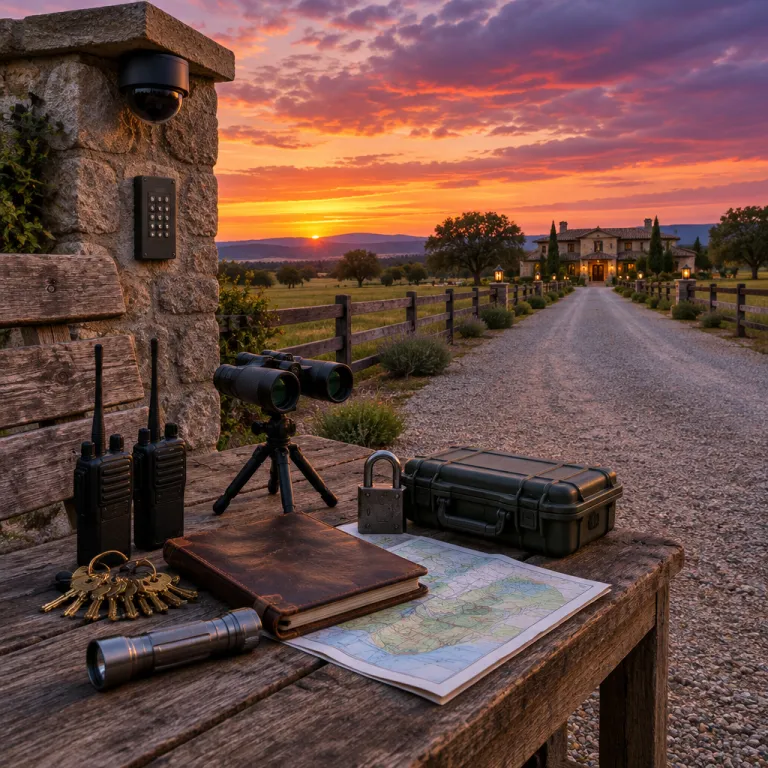
Luxury travelers often split their time between Montevideo and the countryside, combining culture with quiet rural stays. Around the capital, you will find refined country retreats set among vineyards and rolling fields, where concerns about personal security feel distant as you walk between olive groves and horse paddocks. These properties usually coordinate closely with local authorities on security, road safety, and emergency medical protocols for guests, and many employ dedicated night staff to monitor entrances and parking areas.
Along the coast near Punta del Este and Punta del Diablo, premium lodges and ranches offer private beach access, equestrian activities, and curated excursions into nearby nature reserves. These areas see more public activity in high season, so apply basic safety precautions such as avoiding isolated beaches at night and using licensed public transportation or hotel drivers. Many properties provide detailed travel advice on safe routes, travel health considerations, and how to avoid petty crime when you visit nearby towns or markets, often sharing recent experiences from other guests to make guidance feel concrete rather than abstract.
For travelers who want a deeper immersion in Uruguay’s quieter landscapes, eco focused retreats near Quebrada de los Cuervos provide a striking canyon setting with strong attention to environmental and guest safety ; you can read more through this guide to the hidden canyon eco lodge. These rural hotels usually have clear protocols for medical emergencies, including how to contact nearest clinics or hospitals and how to coordinate with your travel insurance provider. Before arrival, ask the property about their security measures, staff training, and how they support guests who may need embassy contact or consular assistance while staying far from Montevideo, especially if you plan independent hikes or night-time wildlife walks.
Health, medical care, and travel insurance for premium stays
Health standards in Uruguay are comparatively high for South America, and private medical facilities in Montevideo and Punta del Este are well regarded. When luxury travelers ask “is Uruguay safe” from a travel health perspective, the main concerns usually relate to routine medical issues, minor injuries, or pre existing conditions rather than tropical diseases. Yellow fever vaccination is not required for entry when you arrive directly from many countries, but you should verify current yellow fever rules if you transit through certain neighboring states or combine Uruguay with destinations where proof of vaccination is mandatory.
Before you travel, arrange comprehensive travel insurance that covers medical evacuation, private hospital care, and trip interruption for civil unrest or unexpected security events. Even though Uruguay is considered safe, premium travelers often book remote estancias and country retreats where the nearest medical facility may be several dozen kilometers away, so evacuation coverage is essential. Share your policy details with your hotel, so staff can contact your insurer quickly if you need medical assistance or if local authorities require documentation, and keep a digital copy of your policy on your phone in case printed papers are misplaced.
Public hospitals provide emergency care, but private clinics usually offer faster service and English speaking staff, which many overseas visitors prefer. Carry a printed summary of your health conditions, medications, and allergies, and keep your passport and insurance card accessible but secure in your room safe. For more context on rural stays and night sky experiences, this route through Uruguay’s northern sierras illustrates how premium lodges coordinate safety, astronomy excursions, and travel health guidance in remote landscapes, often working with local doctors who can be called out if a guest feels unwell after a long day outdoors.
Road safety, public transportation, and transfers between retreats
Road safety in Uruguay is generally better than in many parts of South America, but conditions vary between highways and rural tracks. When evaluating “is Uruguay safe” for self drive itineraries between Montevideo, Punta del Este, and inland estancias, consider your comfort with long distances, night driving, and sharing the road with agricultural vehicles. Many luxury travelers choose private transfers arranged by their hotel, which reduces risk and simplifies contact with local authorities in case of an incident, while also allowing you to enjoy the scenery instead of focusing on navigation.
Public transportation options such as intercity buses are widely used by locals and visitors, and they are usually considered safe during the day. For premium travelers carrying valuables, it is wise to avoid very late departures, keep luggage within sight, and use official terminals rather than informal roadside stops whenever possible. When you book a luxury country retreat, ask whether they can coordinate pick up from the nearest bus station or airport, which improves both comfort and security and ensures you are not left waiting alone at a rural stop after dark.
Some travelers arrive via Buenos Aires and then cross the Río de la Plata by ferry to Montevideo or Colonia del Sacramento, combining two capitals in one trip. Years ago, the route felt more improvised, but today operators maintain clearer safety protocols, and both governments share information on immigration, customs, and entry exit procedures. Always keep your passport, entry stamp, and any relevant travel advice from your embassy consulate handy, as you may need to show them when boarding ferries or domestic flights that connect to rural luxury properties, particularly during peak holiday periods when checks can be more thorough.
Crime, civil unrest, and practical safety precautions in Uruguay
Compared with many regional destinations, Uruguay records lower levels of violent crime, and most incidents affecting tourists involve opportunistic theft. When guests ask “is Uruguay safe” while booking high end hotels, the honest answer is that urban petty crime exists, but premium properties in Montevideo, Punta del Este, and the countryside usually maintain strong security. Use the same safety precautions you would in any major city : avoid displaying expensive jewelry in public, keep phones secure, and use registered taxis or ride services arranged by your hotel, especially late at night or after dining out.
Civil unrest is infrequent and typically takes the form of organized demonstrations or labor strikes, which local authorities usually announce in advance. If protests occur in Montevideo or other cities, your hotel will often provide tailored travel advice on which areas to avoid and how to adjust your plans without disrupting your stay. Monitor local news, follow guidance from your embassy or consular services, and contact nearest consular assistance if you feel your safety is affected by any public event, particularly if road closures or transport delays could impact your onward journey to a rural retreat.
Luxury country retreats benefit from their secluded locations, which naturally reduce exposure to urban crime and public disturbances. Nevertheless, maintain basic security habits such as locking doors, using room safes, and confirming how to contact emergency services or the nearest embassy consulate if needed. Travelers from the United States and other countries should register their trip with their foreign affairs department, which can streamline consular assistance and communication if any large scale incident or civil unrest affects Uruguay during their visit, even if they are staying far from major cities.
Entry rules, embassy support, and planning a safe luxury itinerary
Before confirming your premium hotel bookings, verify Uruguay’s entry requirements through official government channels or your embassy website. Most tourists need a passport valid for at least six months beyond their stay, proof of onward travel, and sometimes evidence of sufficient funds, although specific entry exit rules vary by nationality. Keep digital and paper copies of your passport, travel insurance policy, and hotel confirmations, as these documents simplify interactions with immigration officers and local authorities and can be invaluable if your originals are lost or stolen.
Overseas travelers should also note that some countries recommend routine vaccinations and, in specific cases, yellow fever immunization when visiting multiple South American destinations on the same trip. If you are combining Uruguay with other countries, consult a travel health clinic well before departure to clarify which vaccines, medications, or medical certificates you may need. Share this information with your luxury hotel or country retreat, especially if they organize excursions to remote areas where access to immediate medical care is limited and where staff may need to know about any conditions that affect your ability to hike, ride, or swim.
In the unlikely event of a serious incident, consular assistance from your embassy or consulate can be crucial, particularly if you lose your passport or require legal or medical support. Save the emergency contact numbers for your embassy consulate and know how to contact nearest offices in Montevideo or Buenos Aires, depending on your nationality’s representation. When you design your itinerary, choose hotels that maintain clear communication protocols with embassies, understand international travel insurance procedures, and can coordinate with government agencies if any security or health issue arises during your stay, giving you an extra layer of reassurance.
Choosing safe and picturesque country retreats in Uruguay
When selecting a luxury country retreat, safety should sit alongside scenery, cuisine, and service on your checklist. Start by asking each property direct questions related to “is Uruguay safe” for their specific location, including crime levels, road access, and how they coordinate with local authorities. Reputable hotels will respond transparently, outlining their security measures, staff training, and how they manage contact with emergency services, embassies, and travel insurance providers, and may even share examples of how they have handled past medical or logistical issues for guests.
Look for retreats that offer structured activities such as guided horseback rides, vineyard tours, and astronomy nights, since organized experiences usually follow clear safety protocols. Properties in the northern sierras, for example, often highlight their dark sky credentials and provide supervised stargazing sessions ; this stargazer’s route shows how rural lodges blend security, comfort, and access to pristine landscapes. Ask whether guides are trained in first aid, whether vehicles meet road safety standards, and how the hotel would coordinate medical evacuation if a guest needed urgent care, especially during evening excursions far from paved roads.
Finally, consider how each property supports your overall travel health and wellbeing, from food hygiene to spa facilities and fitness options. Many premium retreats in Uruguay emphasize fresh local produce, clean water, and wellness programs that help guests feel both safe and restored. By combining careful property selection, up to date travel advice from your government, and sensible personal precautions, you can enjoy Uruguay’s most picturesque country retreats with a high level of comfort and security, returning home with memories of quiet beaches, open skies, and relaxed conversations rather than safety concerns.
Key safety and travel statistics for Uruguay
- According to the United Nations Office on Drugs and Crime, Uruguay’s homicide rate has remained significantly lower than many South American neighbors, reinforcing its reputation as a comparatively safe destination for overseas visitors; recent UNODC data show a rate in the single digits per 100,000 inhabitants, compared with much higher figures in several nearby countries.
- World Bank governance indicators consistently rank Uruguay among the highest in the region for rule of law and political stability, which supports reliable public services, predictable regulations, and responsive local authorities that benefit international travelers.
- International tourism reports and embassy travel advisories indicate that the majority of incidents reported by travelers in Uruguay involve petty theft rather than violent crime, especially in urban areas like Montevideo and coastal resorts such as Punta del Este.
- Surveys of global peace and safety indexes regularly place Uruguay near the top among Latin American countries, aligning with the experience of many luxury travelers staying in rural estancias and premium coastal hotels who report feeling secure throughout their stay.
FAQ about safety and luxury travel in Uruguay
Is Uruguay safe for luxury travelers staying in rural retreats ?
Uruguay is generally safe for luxury travelers, and rural retreats often feel particularly secure due to their secluded locations and controlled access. Most premium properties maintain clear security protocols, work closely with local authorities, and offer staff on site around the clock. Standard precautions such as using room safes and arranging trusted transfers remain advisable.
Do I need special vaccinations or yellow fever certificates to enter Uruguay ?
Many travelers do not need a yellow fever certificate when arriving directly in Uruguay, but requirements can change if you visit other South American countries on the same trip. Always check current travel health advice from your government or a specialized clinic before departure. Carry documentation of routine vaccinations and any required certificates in case immigration or medical staff request them.
How reliable is medical care in Uruguay for overseas visitors ?
Medical care in Uruguay, especially in private clinics in Montevideo and Punta del Este, is considered good by regional standards. Overseas visitors are strongly advised to carry comprehensive travel insurance that covers private treatment and medical evacuation. In rural areas, hotels usually have plans to contact nearest clinics and coordinate transport if needed.
Is public transportation safe between Montevideo and Punta del Este ?
Intercity buses between Montevideo and Punta del Este are widely used and generally safe during the day. Travelers should keep valuables secure, use official terminals, and avoid very late departures when possible. Many luxury hotels can arrange private transfers for added comfort and security.
What should I do if I lose my passport while in Uruguay ?
If you lose your passport, contact nearest embassy or consulate for your country as soon as possible and file a report with local authorities. Your embassy consulate can provide consular assistance, issue an emergency travel document, and advise on entry exit implications for the rest of your trip. Keep photocopies or digital scans of your passport to speed up replacement procedures.