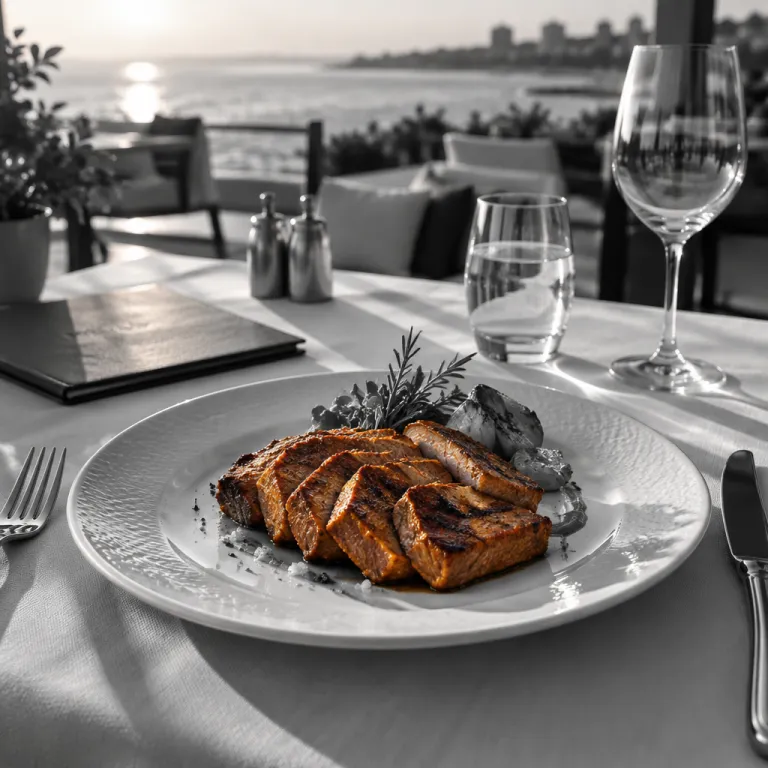
Gastronomy as the quiet star of luxury hotels in Uruguay
In Uruguay, the most memorable luxury stays often begin at the table. A refined Uruguayan restaurant inside a premium hotel turns every meal into part of the travel story, weaving local flavors with polished service and a calm atmosphere. When people choose a high end property in Uruguay, they increasingly judge the overall experience by the quality of the cuisine, the depth of its connection to place, and how clearly they can view menu details before booking.
Many travelers arrive from Argentina or farther abroad expecting excellent meat, yet they leave speaking about nuanced Uruguayan cuisine that balances grilled lamb, fresh Atlantic fish, and seasonal vegetables. At properties such as Sofitel Montevideo Casino Carrasco & Spa, Fasano Las Piedras in Punta del Este, and Narbona Wine Lodge in Carmelo, hotel teams curate menus that highlight traditional Uruguayan recipes while presenting them with contemporary elegance and a thoughtful wine list. This approach respects the roots of Uruguayan food and gives guests a good reason to stay on property rather than searching outside for another restaurant.
Luxury hotels in Montevideo, Punta del Este, José Ignacio, and Carmelo now treat each in house restaurant as a culinary flagship for Uruguay. Chefs design tasting menus that move from delicate empanadas to slow cooked lamb and inventive chivito interpretations, always mindful of timing and pacing. Guests can view menu options online before arrival, often through integrated booking engines that show exclusive offers combining suites, spa access, and multi course dinners at the signature Uruguayan restaurant, turning gastronomy into a central part of the overall travel experience.
How luxury hotel restaurants elevate traditional Uruguayan cuisine
High end hotel kitchens across Uruguay have started to reinterpret traditional Uruguayan dishes with a lighter, more precise touch. Instead of overwhelming portions of meat, chefs focus on balance, plating, and the natural flavors of grass fed beef and lamb raised in the countryside. This evolution allows people who value wellness to enjoy Uruguayan food without sacrificing refinement or feeling that the meal is too heavy.
In Montevideo, a waterfront restaurant inside a premium hotel might serve empanadas filled with slow braised lamb shoulder, paired with a small salad of local greens and citrus. At Sofitel Montevideo’s 1921 Restaurant, for example, a seasonal menu has featured grilled entrecôte with chimichurri of native herbs and roasted pumpkins, while Grand Hotel Montevideo has offered a tasting plate of mini chivitos with artisanal breads and house pickles. These details transform familiar food into a sophisticated experience that still feels rooted in Uruguay’s national identity and everyday life.
Travelers researching where to stay often read detailed culinary reviews on Google before booking, comparing how each Uruguayan restaurant handles classics and seasonal creations. Luxury hotel booking platforms highlight this information with dedicated sections about exquisite culinary creations, sometimes linking directly to pages such as exquisite culinary creations in Uruguay’s luxury and premium hotel booking experiences. This transparency helps guests view menu highlights in advance, evaluate special events like chef’s tables or wine pairing dinners, and choose the property whose cuisine best matches their expectations.
Signature dishes that define the premium Uruguayan restaurant experience
For many guests, the first real contact with Uruguayan cuisine happens at breakfast or lunch inside their hotel. A well designed menu introduces local cheeses, house baked breads, and small empanadas filled with seasonal vegetables or gently spiced meat. Over time, this careful progression prepares people for more complex dishes at dinner, where the restaurant can fully express its culinary identity.
Asado remains central to the Uruguayan food story, and luxury hotels often dedicate outdoor spaces to open fire cooking with a panoramic view of the ocean, vineyards, or countryside. At Playa Vik in José Ignacio, for instance, the parrilla area overlooks the Atlantic while chefs grill beef and lamb over wood embers, controlling distance and time to achieve a tender texture and deep smoky flavors that feel both rustic and polished. Guests who want to understand these techniques more deeply can consult resources such as the guide to pairing local wine with asado on the Tannat trail and asado pairing guide, then apply that knowledge when choosing bottles from the hotel cellar.
Another emblematic dish is the chivito, which many travelers first tasted years ago at casual street spots in Uruguay or Argentina and now encounter in refined hotel dining rooms. In a luxury setting, the chivito might appear deconstructed, with each cut of meat cooked separately and plated with precision, turning familiar comfort food into a composed course. As one guest at Narbona’s restaurant in Carmelo remarked after a tasting menu that paired a miniature chivito with Tannat and a dessert of dulce de leche crème brûlée, “I came for the wine and the views, but I’m leaving with a new respect for how Uruguay cooks its classics.” When a Uruguayan restaurant treats such dishes with respect and creativity, it gives guests a good reason to extend their stay or return for future special events focused on regional cuisine.
Design, views, and atmosphere that shape your dining memories
The physical setting of a restaurant inside a luxury hotel in Uruguay can be as influential as the food itself. Guests remember the view from a Montevideo rooftop terrace, the sound of waves in Punta del Este, or the quiet vineyards around Carmelo as clearly as they recall the flavors on the plate. Smart hotel design teams understand that people want an integrated experience where architecture, lighting, and service rhythm support the cuisine.
On the coast, some premium properties frame the Atlantic with floor to ceiling windows so diners can watch the sky change color while tasting local lamb or grilled fish. Inland, hotels near the wine regions of Uruguay position their main Uruguayan restaurant to overlook rows of vines, turning each meal into a slow, contemplative moment. Articles such as the analysis of how the Laguna Garzón bridge reshapes luxury travel along Uruguay’s pristine coastal arc, available at a detailed Laguna Garzón bridge travel guide, show how infrastructure and landscape improvements have expanded access to these scenic dining settings.
Inside, thoughtful details reinforce the sense of place, from ceramics made by Uruguayan artisans to table linens dyed in tones that echo the countryside. Lighting is kept soft enough to feel intimate yet bright enough to appreciate the colors of the food and the view beyond the glass. When all these elements align, the Uruguayan restaurant becomes more than a place to eat; it becomes a gift of time and calm that guests associate with their entire stay in Uruguay.
Using hotel booking platforms to secure the best culinary experiences
Travelers planning a premium stay in Uruguay now rely heavily on digital tools to evaluate each hotel’s culinary strength. Before committing to a reservation, many people search Google for recent photos, menus, and guest comments about the on site Uruguayan restaurant. This research phase allows them to compare how different properties in Uruguay and nearby Argentina present their cuisine, manage dietary preferences, and structure their wine programs.
Leading booking websites respond by integrating restaurant content directly into hotel profiles, so guests can view menu highlights, chef biographies, and sample wine pairings without leaving the page. Some platforms feature exclusive offers that bundle accommodation with tasting menus, cooking classes, or access to special events such as harvest dinners or asado demonstrations. A typical package might include two nights in a suite, daily breakfast with local cheeses and pastries, one multi course dinner focused on Uruguayan beef and lamb with Tannat pairings, and a guided visit to a nearby vineyard or olive estate. When a hotel has invested in a strong culinary team and a clear identity around traditional Uruguayan dishes, these packages become a powerful way to communicate value and authenticity.
Many luxury properties now encourage guests to join community initiatives around food, such as farm visits, vineyard tours, or market walks guided by the hotel chef. These experiences help visitors understand where the meat, vegetables, and wines on the restaurant menu originate, deepening their connection to Uruguayan cuisine. Over time, this approach builds loyalty, as guests remember not only the good flavors but also the stories and people behind each plate of Uruguayan food they enjoyed during their stay.
Planning your own culinary journey through Uruguay’s luxury hotels
Designing a trip around food in Uruguay can be both simple and rewarding when you know what to look for. Start by identifying regions that match your interests, whether you prefer the urban energy of Montevideo, the beaches of Punta del Este, or the quieter charm of inland wine country. Then, focus on hotels where the Uruguayan restaurant is clearly presented as a central part of the experience, not just an optional convenience.
As you compare options, pay attention to how each property talks about its cuisine, from the sourcing of meat and lamb to the presence of empanadas, chivito variations, and other traditional Uruguayan dishes on the menu. Look for signs of thoughtful timing, such as seasonal changes, themed dinners, or collaborations with winemakers and local producers. When a hotel highlights special events around food and offers transparent ways to view menu details in advance, it usually indicates a serious commitment to culinary quality.
Finally, consider how you want to spend your time between meals, since the best memories often blend food with landscape and culture. A coastal resort might pair its Uruguayan restaurant with sailing excursions or horseback rides along the beach, while a rural retreat could combine tastings of Uruguayan food with visits to nearby farms. By aligning your personal interests with the strengths of each property, you turn every breakfast, lunch, and dinner into a carefully curated chapter of your journey through Uruguay.
Key figures shaping luxury hotel and restaurant choices in Uruguay
- According to Uruguay’s Ministry of Tourism, international tourist arrivals surpassed 3 million visitors in 2019, with a significant share coming from Argentina and Brazil, which sustains demand for high quality meat focused cuisine in hotel restaurants (see Uruguay Ministry of Tourism).
- Data from the Asociación de Hoteles y Restaurantes del Uruguay (AH&RAU) indicate that food and beverage operations can represent between 25% and 40% of total revenue for upscale hotels, underscoring the strategic importance of a strong Uruguayan restaurant offering (source: AH&RAU industry reports).
- Montevideo and Punta del Este consistently rank among the top South American cities for quality of life in Mercer surveys; in the 2023 Mercer Quality of Living report, Montevideo again led the region, and this perception of safety and comfort supports the growth of premium dining and traditional Uruguayan food experiences within hotels (see Mercer Quality of Living).
- Industry reports from regional hospitality consultancies show that properties with clearly promoted exclusive offers combining rooms and tasting menus achieve higher average daily rates than comparable hotels without integrated culinary packages, confirming the financial value of strong gastronomy.
- Online review analysis across major platforms reveals that guests who rate hotel restaurants highly are significantly more likely to recommend the property overall, confirming that cuisine and service quality in the dining room strongly influence general satisfaction with a stay in Uruguay.
FAQ about luxury hotel dining and Uruguayan restaurant experiences
How important is the hotel restaurant when choosing a luxury stay in Uruguay ?
For many travelers, the on site restaurant is now a decisive factor when selecting a premium hotel in Uruguay. A strong focus on Uruguayan cuisine, clear menu information, and visible chef leadership signal that the property treats food as part of the core experience. Guests who value gastronomy often prioritize hotels where they can enjoy multiple high quality meals without leaving the property.
Can I find traditional Uruguayan dishes like asado and chivito in luxury hotels ?
Yes, most upscale hotels in Montevideo, Punta del Este, and other key destinations feature traditional Uruguayan dishes on their menus. Asado, chivito, and empanadas frequently appear in refined versions that respect the original flavors while improving presentation and balance. These restaurants aim to offer both comfort and sophistication, so guests can taste local classics in a polished setting.
Do luxury hotel restaurants in Uruguay cater to dietary restrictions ?
High end properties in Uruguay increasingly accommodate vegetarian, vegan, and gluten free preferences, as well as specific allergies. Many menus highlight alternative options and encourage guests to communicate needs in advance through the booking platform or directly with the hotel. This flexibility allows mixed groups to enjoy Uruguayan food together while respecting individual requirements.
Is it necessary to book restaurant tables in advance at premium hotels ?
Advance reservations are strongly recommended, especially during peak seasons in coastal areas and major holidays. Popular Uruguayan restaurant venues inside hotels often prioritize in house guests but can still fill quickly with external diners. Booking early ensures access to preferred time slots and any special events or tasting menus offered during your stay.
How can I evaluate a hotel’s culinary quality before booking ?
To assess quality, review recent guest comments on major platforms, examine photos of dishes, and read the menu carefully. Look for signs of a coherent culinary concept, such as a focus on local ingredients, thoughtful wine pairings, and seasonal changes. Hotels that present their restaurant as a key attraction, rather than an afterthought, usually deliver a more satisfying gastronomic experience in Uruguay.