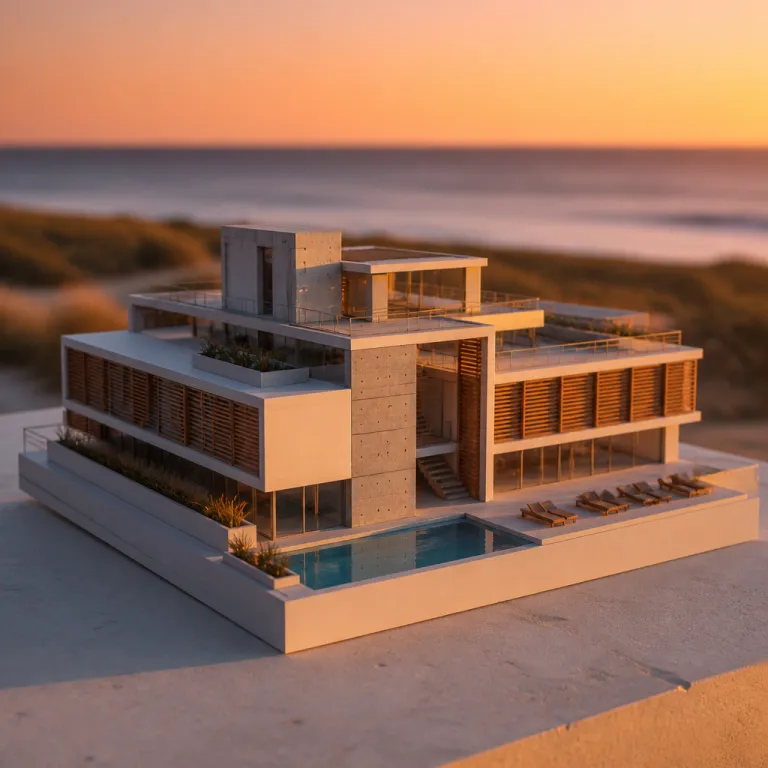
Why design hotels in Uruguay have become architecture led destinations
Uruguay has quietly become South America’s most architectural hotel laboratory. A new generation of design driven properties treats the building itself as the primary amenity, turning every stay into a study in light, proportion and material rather than just another luxury address. For business and leisure travelers used to glass towers across North and South America, the country’s coastal lodges and urban retreats feel like a reset.
At the top end of conversations about architecture led luxury in Uruguay, the Vik Retreats around José Ignacio set the tone. Playa Vik José Ignacio, designed by Uruguayan born architect Carlos Ott for Alex and Carrie Vik, anchors a sculptural main building to six low slung casas that frame the beach and the Atlantic horizon. Here, floor to ceiling windows act as living canvases, and the line between hotel, gallery and private lodge blurs in a way that has redefined what luxury can mean in the south of the continent. (Property details based on publicly available descriptions from Vik Retreats and architecture publications; always confirm current features directly with the hotel.)
Across Uruguay there are now roughly a dozen to 15 serious design focused hotels, according to the national tourism board’s latest published estimates and regional hospitality reports. (Figures vary by source and year; treat them as indicative rather than definitive.) They range from urban properties in Montevideo’s historic core to coastal sanctuaries near Punta del Este and rural hideaways in wine country. Each one uses contemporary architecture to interpret the same elements — Atlantic light, ocean wind, and South American craft — through a different lens.
Montevideo’s architectural hotels: from Plaza Zabala to the Rambla
Montevideo is where Uruguay’s design hotel scene meets the daily rhythm of a working capital city. In the Ciudad Vieja district, Alma Histórica Boutique Hotel stands on Plaza Zabala and shows how a historic townhouse can become a refined, heritage style lodge without losing its soul. The property’s rooms are themed around Uruguayan cultural figures, and the architecture respects original proportions while inserting contemporary comforts with quiet confidence. (Hotel name and concept based on the property’s own published materials; verify current services and design details with the hotel.)
Staying in Montevideo gives you a front row seat to how the capital balances heritage and modernity. Many of the best hotels here use restored façades facing narrow streets, then open into light filled interiors with generous ceiling windows and carefully edited design pieces. For travelers who want to stay in Montevideo before heading east to the beach, these places to stay offer both efficient business infrastructure and a sense of place that generic South American chains rarely match.
When you evaluate the best places to stay in Montevideo, look for properties where the architect is credited as prominently as the chef. Some of the most interesting hotels near the Rambla use long floor to ceiling glass walls to frame the Río de la Plata, turning meeting rooms and lounges into observatories for the city’s famously soft light. This is architecture conscious hospitality at an urban scale, where the building’s relationship to the street and the plaza matters as much as thread count.
José Ignacio and Playa Vik: where sculpture meets the Atlantic
On the Atlantic coast, José Ignacio has become shorthand for understated luxury in Uruguay. The village sits just north of Punta del Este, yet it feels like a different world, with sandy lanes, low rise houses and a beach culture that privileges long lunches over loud beach clubs. Here, high end design is distilled into a few carefully considered properties rather than a skyline of towers.
Playa Vik José Ignacio is the landmark. Carlos Ott’s main building resembles a ship’s hull in polished concrete and titanium, anchored above Playa Mansa with a cantilevered infinity pool that seems to pour directly into the ocean. Inside, each of the rooms and suites was commissioned from a different artist, and the result is a hotel where art, architecture and the beach landscape are inseparable parts of the same experience. (Descriptions synthesized from architecture features and the hotel’s own communications; specific artworks and finishes can change over time.)
Just along the coast, the wider Vik portfolio extends the concept with Estancia Vik inland and Bahía Vik on another stretch of playa near José Ignacio. Together they form a trilogy that has shaped expectations for architecture led coastal retreats for an entire generation of travelers. One recent guest described waking up at Bahía Vik to “a wall of Atlantic light that made the room feel like a private gallery,” a reminder that in these hotels, the view is part of the design. If you want to understand how South American coastal design can feel both raw and meticulously curated, this is the perfect place to start planning your visit.
Punta del Este and the new vertical luxury on the coast
Punta del Este remains Uruguay’s most famous resort city, and its skyline tells the story of changing luxury tastes. Early towers were about height and status, but the latest wave of developments in Punta del Este and its neighboring barrios is different. Here, contemporary hotel design principles are being translated into vertical living, with Smart Tower style projects that function as hybrid hotels, residences and executive playgrounds.
These new buildings in Punta del Este’s city grid offer heated rooftop pools, co working floors and 24/7 bilingual concierges as standard. For business travelers extending a Montevideo trip into a long weekend by the beach, they provide the kind of infrastructure — from fast elevators to quiet meeting rooms with floor to ceiling glazing — that makes remote work feel effortless. Architects such as the team behind the Don Majestic Hotel in Punta del Este are leading this shift toward towers that prioritize proportion, light and amenity over sheer spectacle. (Property names and features drawn from developer and hotel communications; confirm current facilities directly with each project.)
Yet even here, the coastline remains the protagonist. Many of the best hotels in Punta del Este orient their ceiling windows toward Playa Mansa or the wilder beaches toward José Ignacio, using balconies and terraces as outdoor rooms rather than mere decorative ledges. When you compare places to stay in this part of Uruguay, focus on how the building frames the ocean and how the pool decks interact with the prevailing winds — those details separate a generic beach hotel from a true design forward lodge.
Rural retreats, wine country stays and the Sacromonte effect
Move inland from the coast and a different expression of architecture focused hospitality emerges. In the rolling hills near Pueblo Edén and Pueblo Garzón, architects are working with the land rather than against it, embedding rooms into slopes and using green roofs to make buildings almost disappear. Sacromonte Landscape Hotel is the clearest example, with mirrored façades and grassed roofs that minimize visual intrusion while maximizing views over vineyards and olive groves. (Concept and design approach based on the hotel’s own descriptions and architecture coverage; check directly with Sacromonte for the latest configuration.)
Here, the architecture is about silence, shadow and the choreography of light across the day. Suites often feature floor to ceiling glass on one side and thick, insulating walls on the others, creating a sense of refuge that feels particularly suited to South American wine country. When you stay at one of these rural lodges, the pool is less about social display and more about reflecting the sky, while the wine list leans heavily on local Tannat and Garzón labels that anchor you firmly in Uruguay.
Pueblo Garzón itself has become a laboratory for sustainable design, with projects like Eco Chacras Garzón experimenting with low impact architecture across generous plots. (Project names and sustainability focus based on developer and tourism board information; on the ground realities can evolve.) For travelers who want to combine architecture, wine and slow travel, these are some of the best places to stay in the south of the country. They show another side of high end Uruguayan hospitality — one where the loudest statement is how quietly a building can sit in the landscape.
The Dieste legacy and Uruguay’s brick born modernism
Any serious look at Uruguay’s architecture led hotels has to pass through the work of engineer architect Eladio Dieste. His thin shell brick vaults, most famously used in the Iglesia de Atlántida, have become a reference point for Uruguayan architects working in hospitality. Many contemporary hotels borrow his vocabulary of curved walls, rhythmic openings and warm brick textures to create spaces that feel both modern and deeply rooted. (Biographical and project information on Dieste is widely documented in architectural literature; consult specialist sources for technical detail.)
Several coastal and rural properties use Dieste inspired brick vaults in their public areas, softening acoustics and filtering Atlantic light in ways that glass and steel alone cannot achieve. This influence is especially visible in lodges that want to feel South American without resorting to clichés, using brick as a structural and aesthetic tool rather than mere cladding. For a deeper dive into this lineage, you can follow a dedicated Dieste trail from Atlántida to the hotels he inspired, ideally with a specialist guide who can explain the Dieste effect on Uruguayan hospitality architecture.
As you compare design hotels across Uruguay, pay attention to how often brick, concrete and timber are combined in ways that echo Dieste’s experiments. The best hotels use these materials to create rooms that feel cool in the heat, warm in the shoulder seasons and always connected to the surrounding city or countryside. This is where architecture driven luxury becomes more than a marketing phrase and turns into a tangible, tactile experience.
How to choose and book the right design hotel in Uruguay
For travelers using a curated platform like myuruguaystay.com, the challenge is not finding architecture led hotel options, but choosing the one that fits a specific trip. Start by deciding whether your priority is the city energy of Montevideo, the beach rhythm of José Ignacio and Punta del Este, or the quiet of wine country and rural lodges. Each region offers very different places to stay, even within the same luxury bracket.
In Montevideo, focus on properties around Plaza Zabala and the Rambla that balance historic shells with contemporary interiors, such as Alma Histórica. On the coast, look at art led retreats like Playa Vik and its sister properties, and read in depth reviews that explain how the architecture shapes daily life — from how morning light hits the pool to where the best sunset views align with the beach. A detailed editorial, for example on what eco luxury really buys you at Bahía Vik, can be invaluable when you are weighing design against service style and privacy.
When you are ready to secure deals for booking, pay attention to room orientation, not just category names. A standard room with full floor to ceiling glazing toward the ocean can feel more luxurious than a larger suite facing inland, especially in design hotels where architecture is the main event. In every case, the most rewarding stays in Uruguay come from matching your own rhythm — early swims, late dinners, quiet work sessions — to the way the building receives light, wind and the sound of the Atlantic.
Key figures shaping Uruguay’s design hotel landscape
- Uruguay currently counts on the order of a dozen to 15 hotels that can credibly be classified as design focused properties, according to summaries from the Uruguayan Tourism Board and regional hospitality analysts. (Exact numbers fluctuate as new projects open; consult the latest tourism board data for up to date figures.)
- Punta del Este welcomes several hundred thousand visitors each year, based on tourism board data and recent regional tourism reports, creating strong demand for high quality coastal hotels that combine architecture and luxury services. (Published estimates often cluster around the half million mark, but methodologies differ.)
- The Vik portfolio, anchored by Playa Vik José Ignacio, has been central to positioning Uruguay within South America’s design hotel circuit, influencing both coastal and rural developments. (This influence is widely noted in travel and architecture media; specific impact assessments vary by source.)
- New Smart Tower style projects in Punta del Este are setting a higher baseline for amenities, with features like heated infinity pools and co working spaces becoming standard in the upper luxury tier. (Amenity lists are based on developer and hotel communications; always verify current offerings.)
- Rural areas around Pueblo Garzón and Pueblo Edén have seen a rise in architecture led lodges, reflecting a broader shift toward sustainable, low impact luxury stays in the Uruguayan countryside. (Trend observations draw on tourism board messaging and independent travel reporting.)
FAQ about design hotels and architecture led stays in Uruguay
What defines a design hotel in Uruguay’s context ?
In Uruguay, a design hotel is defined less by size and more by intent. As one reference puts it, “A hotel emphasizing unique architecture and interior design.” The best examples in the country commission named architects and artists, and treat the building as the core of the guest experience. (Definition adapted from common usage in hospitality glossaries and design hotel classifications.)
Are design hotels in Uruguay more expensive than traditional options ?
Design focused properties in Uruguay often sit at the upper end of the price spectrum. They tend to be more expensive because they offer distinctive architecture, limited room counts and highly personalized services. For many travelers, the premium is justified by the sense of place and the quality of space they deliver. (Pricing patterns are generalized from publicly listed rates; individual hotels and seasons vary.)
Why is natural light so important in Uruguayan hotel design ?
Natural light is central to how Uruguayan architects shape hotel spaces along the coast and in the capital. As design guides note, “Natural light enhances ambiance and connects guests with their surroundings.” In practice, this means generous glazing, carefully oriented terraces and public areas that track the movement of the sun. (Principles summarized from architectural best practice literature and hotel design case studies.)
When is the best time to visit Uruguay’s design hotels ?
The most popular period for coastal design hotels runs through the southern summer, when beach towns like José Ignacio and Punta del Este are in full swing. Visiting slightly outside peak weeks can offer better availability and more attractive deals for booking. Montevideo and rural wine regions, by contrast, work well almost year round for architecture focused stays. (Seasonality based on tourism board guidance and historical visitation patterns.)
How far in advance should I book a design hotel in Uruguay ?
For top tier properties such as Playa Vik or sought after Montevideo addresses, booking several months ahead is wise, especially for weekends and holiday periods. Smaller lodges in wine country also fill quickly because of their limited room numbers. Early planning gives you the best choice of room orientation and design features, which matter greatly in architecture led hotels. (Booking lead time recommendations reflect common practice reported by hotels and frequent guests.)