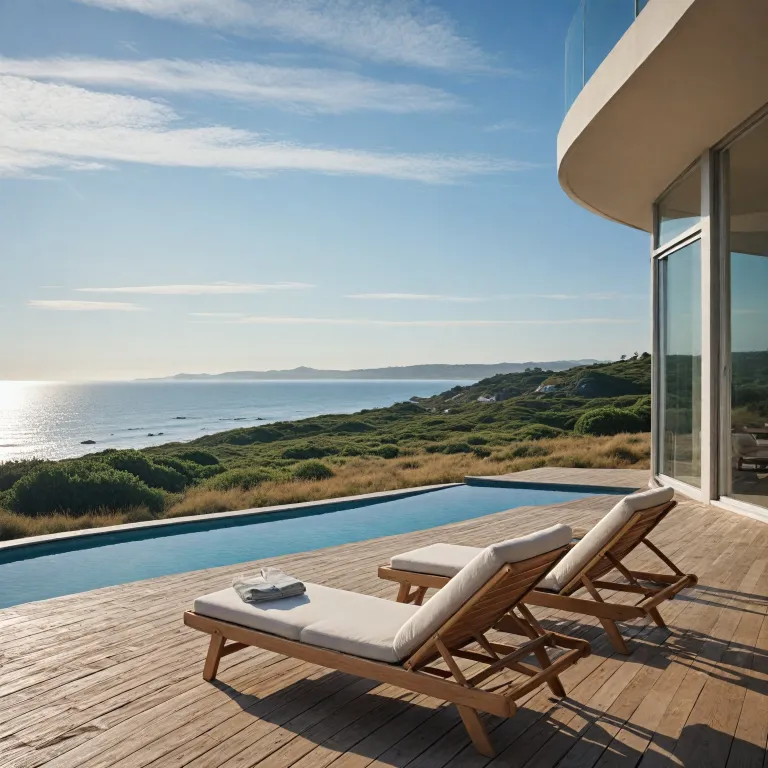
Luxury coastal character of Punta del Este for discerning guests
Punta del Este blends Atlantic light, refined service, and relaxed elegance. Along this peninsula in Maldonado, the city stretches between Playa Mansa and Playa Brava, giving every stay a different relationship with the sea. The result is a coastal resort in Uruguay where luxury hotels feel closely connected to the surrounding beaches.
The city belongs to a select group of South America destinations where high-end hospitality, real estate, and gastronomy have grown together. On one side of the peninsula, Playa Mansa offers calm waters and sunset views toward Punta Ballena, ideal for guests who value tranquil evenings. On the other side, Playa Brava faces the open ocean, with stronger waves, sculptural dunes, and the iconic La Mano artwork rising from the sand.
Within this compact area, international visitors can choose hotels in the marina district, the residential avenues of the city, or the more secluded stretches near La Barra bridge. Each area of Punta del Este Uruguay offers a distinct atmosphere, from yacht-club sophistication to barefoot chic. Luxury and premium properties increasingly integrate sustainable design, using natural stone, glass, and native vegetation to frame the view rather than dominate it.
Behind the scenes, the Punta del Este Municipality and the Intendencia Departamental de Maldonado coordinate infrastructure that supports high season demand. The Uruguay Ministry of Tourism promotes the city as a leading beach destination in South America, emphasizing both its urban comforts and natural surroundings. For travelers, this means a reliable framework of services that underpins every premium booking decision.
Choosing the right area and hotel style in Punta del Este
Selecting the right area in Punta del Este is the first step toward a successful stay. The central peninsula concentrates many hotels, with quick access to the port, Playa Mansa, Playa Brava, and the main shopping streets of the city. Guests who prioritize walking distance to restaurants, nightlife, and the beach often find this peninsula location ideal.
Further west, toward Punta Ballena, hotels and villas climb the rocky coastline, offering some of the best sunset views in Uruguay Punta. This area suits travelers who want a quieter environment while remaining within easy driving distance of the peninsula and Maldonado. To the east, Este Punta opens toward La Barra bridge and then to José Ignacio, where refined coastal retreats attract a more secluded, design-conscious clientele.
For a deeper look at refined coastal stays in José Ignacio, many travelers consult this guide to elegant stays in José Ignacio. Within Punta del Este itself, the choice between Playa Mansa and Playa Brava remains central. Playa Mansa hotels favor families and guests who enjoy gentle waters, while Playa Brava properties appeal to those drawn to Atlantic energy and sunrise views.
High season brings a strong international presence from Buenos Aires, Brazil, and other parts of South America. During this period, the best rooms with panoramic beach views and private terraces often sell out months in advance. Travelers who value specific amenities, such as spa facilities, fine dining, or direct beach access, should align their booking strategy with the character of each area.
Understanding seasons, rates, and the best time to book
In Punta del Este, understanding the rhythm of the seasons is essential for premium hotel planning. The best time for warm weather, vibrant nightlife, and a full calendar of events coincides with the southern summer. During this high season, the city’s beaches, restaurants, and cultural venues operate at full capacity, and hotel rates reflect intense demand.
Travelers focused on value often look beyond the absolute peak, choosing the shoulder weeks when the weather remains pleasant but occupancy softens. Data on short-term rentals in the area indicates an average nightly rate around 178 USD and an occupancy rate near 37.4 percent, which helps frame expectations for premium hotel pricing. While luxury properties may sit above these averages, the figures illustrate how time visit decisions influence overall budget.
Outside the busiest months, Punta del Este Uruguay reveals a quieter personality, with softer light over Playa Mansa and Playa Brava and more space on the sand. This period can be ideal for guests interested in wellness retreats, gastronomy, or real estate exploration rather than purely beach-focused holidays. For curated ideas on refined coastal and city experiences across Uruguay, travelers often turn to this overview of elegant leisure activities in Uruguay.
When planning the best time to secure a room, consider both calendar and geography. Flights into Capitán de Corbeta Carlos A. Curbelo International Airport increase during high season, making it easier to connect from Buenos Aires and other regional hubs. Aligning flight availability, hotel promotions, and personal preferences for crowd levels will help refine the ideal time visit Punta del Este.
Beachfront, city, and countryside: matching stays to experiences
Luxury travelers in Punta del Este can choose between beachfront glamour, urban convenience, and countryside calm. Along Playa Brava and Playa Mansa, hotels emphasize direct access to the sand, sea views, and terraces that frame the changing light over the Atlantic. These properties suit guests who want to move effortlessly between room, pool, and beach throughout the day.
Within the city grid of the peninsula and Maldonado, premium hotels focus on service, gastronomy, and proximity to cultural venues. Here, guests can walk from their lobby to art galleries, design shops, and some of the best food experiences in Uruguay Punta. The urban setting also appeals to travelers who plan frequent day trips to nearby destinations such as La Barra, José Ignacio, or the sculptural cliffs of Punta Ballena.
Beyond the immediate coastline, rural estates and vineyard stays offer a different interpretation of luxury in South America. These properties often combine contemporary architecture with rolling fields, giving guests a sense of space that contrasts with the denser peninsula area. Many visitors split their time between a beach hotel in the Este peninsula and a countryside retreat, balancing ocean energy with inland tranquility.
Whichever style you choose, consider how daily routines will unfold. Sunrise enthusiasts may prefer Playa Brava, while sunset lovers gravitate toward Playa Mansa or the western curve of Punta Ballena. Families, couples, and solo travelers will each weigh access to beaches, city attractions, and quieter corners differently when selecting their ideal hotel.
Experiences, gastronomy, and cultural life around Punta del Este
Staying in Punta del Este is as much about experiences as it is about the room itself. Along the coast, Playa Brava and Playa Mansa anchor a long list of things Punta visitors can enjoy, from early-morning walks to late-afternoon beach clubs. Offshore, boat excursions to Isla Lobos introduce guests to one of the region’s notable sea lion colonies.
Within the city, gastronomy has become a defining element of the destination’s appeal. Restaurants highlight Uruguay’s beef, Atlantic seafood, and seasonal produce, often paired with wines from Maldonado and other regions of South America. Travelers can move from relaxed chiringuitos on the beach to refined dining rooms in the peninsula area, tailoring each evening to their mood.
Culture also plays a growing role in the identity of Punta del Este Uruguay. Art fairs, music festivals, and design events attract an international audience, reinforcing the city’s reputation beyond its beaches. Many hotels curate their own cultural programming, from exhibitions in public spaces to collaborations with local artists and chefs.
For guests planning a broader itinerary across Uruguay, this guide to elegant stays near the most famous landmarks in Uruguay can help connect Punta del Este with Montevideo, Colonia, and inland destinations. Whether your focus is beach relaxation, food, or cultural immersion, aligning hotel choice with planned activities will elevate the overall stay. In this way, the city becomes both a base and a highlight within a wider coastal journey.
Practical booking strategy, safety, and trusted local governance
Booking a luxury or premium hotel in Punta del Este benefits from a structured approach. Start by defining priorities such as direct beach access, spa facilities, family-friendly services, or proximity to nightlife in the peninsula. Then compare properties across Playa Mansa, Playa Brava, Punta Ballena, and the wider Maldonado area to see which combination of view, location, and amenities best matches your expectations.
Because high season brings intense demand from Buenos Aires and other South America cities, early reservations are essential. Many travelers secure flexible rates several months in advance, then refine dates as flight options and personal schedules become clearer. For those exploring real estate opportunities alongside leisure, longer stays in serviced apartments or extended-stay hotels can provide a more residential perspective on Uruguay Punta.
Local governance plays a key role in maintaining a safe, well-managed environment for visitors. The Punta del Este Municipality oversees urban services within the city, while the Intendencia Departamental de Maldonado manages the broader region, including infrastructure that connects beaches, city, and countryside. At the national level, the Uruguay Ministry of Tourism coordinates promotion and standards, ensuring that the destination continues to evolve responsibly.
Travelers should also consider practicalities such as airport transfers, parking, and mobility between the peninsula, La Barra bridge, and José Ignacio. Many hotels can arrange private drivers or recommend reliable local services, which is particularly useful at night or when moving between dispersed beaches. By combining thoughtful planning with the support of established institutions, guests can focus on the pleasures of their stay rather than logistics.
Key statistics for planning a refined stay in Punta del Este
- Population of Punta del Este : approximately 18,193 residents, giving the city an intimate yet cosmopolitan scale.
- Average annual temperature : around 16.4 °C, with warmer conditions during the southern summer months.
- Average nightly rate for short-term rentals : about 178 USD, providing a reference point for premium hotel pricing.
- Occupancy rate for short-term rentals : close to 37.4 percent, with significantly higher levels during high season.
Essential questions when planning a stay in Punta del Este
What is the best time to visit Punta del Este?
The best time to visit is during the summer months from December to March, when the weather is warm and the city hosts numerous events. During this period, both Playa Mansa and Playa Brava are at their most lively, and many seasonal restaurants and clubs open. Travelers who prefer quieter beaches and lower rates may choose the weeks just before or after this peak window.
Are there direct flights to Punta del Este?
Yes, Capitán de Corbeta Carlos A. Curbelo International Airport offers direct flights from regional cities, especially during peak tourist season. Many visitors connect through Buenos Aires or other South America hubs before continuing to the Maldonado area. Private transfers and taxis from the airport to the peninsula, Punta Ballena, or La Barra are widely available.
What are the main attractions in Punta del Este?
Key attractions include Playa Mansa and Playa Brava beaches, the 'La Mano' sculpture, Casapueblo museum, and the vibrant nightlife and dining scene. Day trips to Isla Lobos, José Ignacio, and the scenic cliffs of Punta Ballena add variety to a coastal itinerary. Within the city, art galleries, design shops, and seasonal cultural events further enrich the experience for discerning travelers.