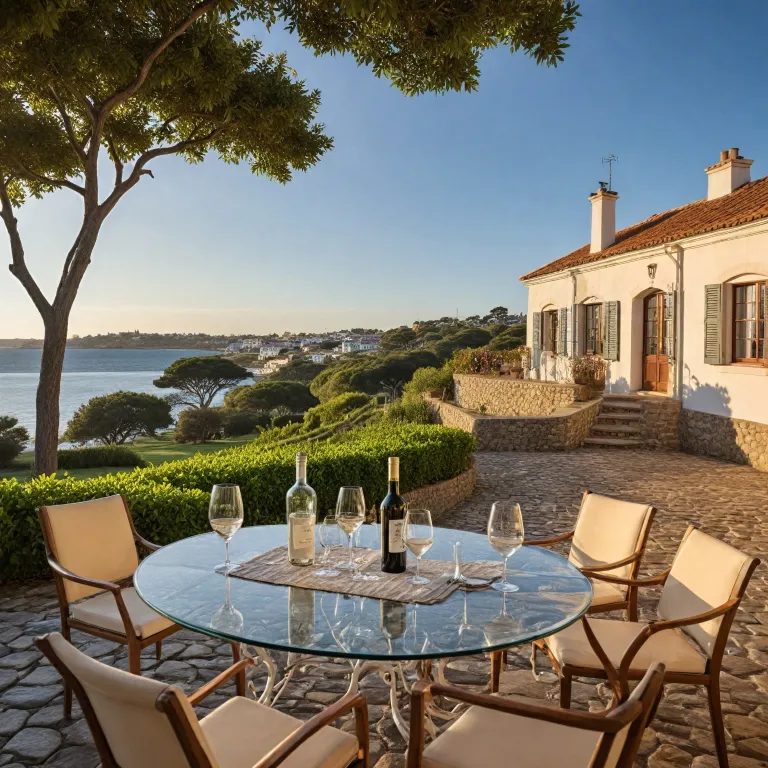
Timeless tourist places in Uruguay for luxury and style
Uruguay offers refined travelers a calm alternative in South America. From Montevideo’s waterfront to quiet estancias inland, the country balances understated luxury with authentic local culture and warm hospitality. Many travelers pair a visit with nearby Buenos Aires, using the short ferry link to reach Uruguay’s most elegant coastal destinations.
For guests using a luxury and premium hotel booking website in Uruguay, the first decision is usually which destination and which place best matches their travel style. Montevideo suits travelers who want culture, gastronomy, and time to explore museums before returning to a refined seafront suite. Others prefer small coastal towns where beaches, sunset views, and relaxed tourism define each day’s rhythm.
Along the Rambla of Montevideo, premium hotels frame sweeping views of the Río de la Plata and the city’s historic town center. These tourist places in Uruguay allow easy access to theatres, wine bars, and guided tours that explain the country’s gaucho culture and immigrant heritage. When you book, check whether your chosen destination offers late checkout and flexible privacy policy terms, which can be essential for long weekend escapes.
Uruguay’s Ministry of Tourism and the Uruguay Natural brand work closely with the hospitality industry to promote sustainable tourism. Their efforts support local businesses while preserving historic architecture and coastal ecosystems that attract international travelers. This coordinated approach helps ensure that luxury properties remain integrated with local communities rather than isolated from everyday life.
Coastal glamour in Punta del Este and nearby retreats
For many travelers, Punta del Este is the emblem of coastal glamour in Uruguay. The peninsula combines golden beaches, high end dining, and a lively marina, making it one of the most iconic tourist places in Uruguay. When you book through a premium hotel platform, compare properties on both the calm Mansa side and the wilder Brava side to match your preferred style of beaches and waves.
Punta del Este and the wider punta del corridor offer a range of luxury hotels facing the Atlantic. Some properties emphasize wellness, with spa suites and heated pools designed for guests who value time to recharge between excursions. Others focus on gastronomy, pairing local seafood with Uruguayan wines and curated experiences that highlight local culture through cooking classes or vineyard visits.
Just beyond Punta del Este, small coastal destinations such as José Ignacio and La Barra provide quieter tourism options. These places attract travelers seeking privacy, refined design, and long sunset walks along almost empty beaches. When browsing a luxury and premium hotel booking website in Uruguay, look for packages that include private transfers, as road distances between each town can be longer than they appear on a map.
Eco conscious travelers should pay attention to how each hotel manages water, energy, and waste along the fragile Atlantic coast. Some of the most respected luxury eco resorts in Uruguay demonstrate that sustainability and elegance can coexist in the same destination. For a deeper look at this trend, many travelers consult guides to luxury eco resorts in Uruguay before finalizing their booking.
Wild Atlantic charm in Cabo Polonio and Punta del Diablo
On the eastern edge of Uruguay, Cabo Polonio offers one of the country’s most distinctive tourism experiences. This car free hamlet sits among dunes and rocky outcrops, with Atlantic waves on one side and a lighthouse overlooking sea lion colonies on the other. Travelers reach this destination by authorized 4x4 vehicles, which adds a sense of adventure to any visit.
Accommodation in Cabo Polonio is intentionally simple, yet premium booking platforms now highlight a few carefully managed options. These places respect the area’s fragile environment while still offering comfort for travelers who value character and authenticity. When comparing properties, check how each one handles electricity, water, and its privacy policy, as off grid tourism requires clear communication.
Further north, Punta del Diablo has evolved from a small fishing village into a relaxed coastal destination. Here, travelers find sandy beaches, sunset views, and a growing range of local restaurants serving fresh seafood and Uruguayan wines. Luxury and premium hotel booking websites in Uruguay increasingly feature villas and upscale lodgings that maintain the town’s informal charm.
Both Cabo Polonio and Punta del Diablo attract visitors who want to experience Uruguay’s wilder Atlantic coast without sacrificing comfort. These tourist places in Uruguay are ideal for travelers who enjoy long walks, photography, and time to disconnect from urban life. When planning your travel, remember that public transport is limited, so private transfers arranged through your chosen hotel can save time and reduce stress.
Heritage and elegance in Colonia del Sacramento
Colonia del Sacramento is one of the most atmospheric tourist places in Uruguay. Its historic quarter, with cobbled streets and river views, reflects layers of Portuguese and Spanish heritage. Many travelers arrive from Buenos Aires by ferry, making Colonia an accessible first destination in Uruguay for short breaks.
Within the old town, small heritage properties and premium hotels occupy restored colonial houses. These places often feature inner courtyards, river facing terraces, and suites that blend modern comfort with local culture. When using a luxury and premium hotel booking website in Uruguay, filter by historic building or heritage stay to find options that match this distinctive atmosphere.
Colonia’s scale makes it ideal for travelers who prefer a small town feel without sacrificing quality. You can walk from your hotel to the lighthouse, museums, and waterfront in a few minutes, leaving more time for slow tourism and photography. Many guests plan their visit to enjoy the soft sunset light over the Río de la Plata, which is one of the most memorable views in the region.
Because Colonia del Sacramento is popular on weekends and holidays, early booking is essential for the best rooms. Pay attention to cancellation terms and the hotel’s privacy policy, especially if your travel dates might change. For guests combining Colonia with Montevideo or Punta del Este, premium booking platforms often highlight multi destination itineraries that simplify planning across several places.
Rural estancias, gaucho culture, and wellness retreats
Beyond the coast, Uruguay’s interior offers a quieter style of tourism centered on estancias and rural retreats. These properties immerse travelers in gaucho culture, with horseback rides across open fields and traditional asado meals prepared over wood fires. Many luxury estancias now appear on premium hotel booking websites in Uruguay, making it easier to compare services and experiences.
Staying at an estancia allows guests to understand how local culture shapes everyday life. Hosts often share stories about regional history, agriculture, and the evolution of gaucho traditions in modern Uruguay. Some properties combine these cultural elements with wellness offerings, such as spa treatments, yoga platforms with countryside views, and menus based on local produce.
For travelers who value privacy and space, rural destinations can be as appealing as the coast. Rooms are usually large, and the surrounding land offers natural separation between guests, which enhances the feeling of retreat. When booking, review each property’s privacy policy and activity list to ensure that the estancia’s rhythm matches your expectations for time at leisure versus guided experiences.
Many estancias are located within a few hours’ travel from Montevideo or Punta del Este, making them suitable for two or three night stays. Premium booking platforms sometimes bundle these rural nights with coastal hotels, creating balanced itineraries across several tourist places in Uruguay. This combination allows travelers to experience both the Atlantic beaches and the inland landscapes that define the country’s identity.
How to choose luxury hotels in key tourist places in Uruguay
Selecting the right property among many tourist places in Uruguay starts with clarifying your priorities. Decide whether beaches, culture, nightlife, or rural calm should shape most of your time. Then use filters on a luxury and premium hotel booking website in Uruguay to narrow options by destination, rating, and specific experiences.
For coastal destinations such as Punta del Este, Cabo Polonio, and Punta del Diablo, focus on access to beaches and sunset views. In Montevideo and Colonia del Sacramento, prioritize proximity to the historic town center and cultural venues. Always read recent traveler reviews to understand how each hotel manages service quality, noise levels, and its privacy policy in practice.
Many premium platforms now highlight curated experiences linked to local culture, such as wine tastings, art tours, or gaucho culture excursions. These add depth to your visit and support local businesses that depend on tourism throughout the year. When comparing prices, consider not only nightly rates but also included services like breakfast, spa access, and private transfers between destinations.
Digital tools and mobile applications promoted by Uruguay’s tourism authorities make planning more transparent and efficient. They help travelers verify addresses, check safety information, and coordinate travel between multiple places across the country. “Yes, Uruguay is considered one of the safest countries in South America.”
Digital luxury, safety, and practical tips for refined travelers
Modern luxury and premium hotel booking websites in Uruguay rely on secure digital platforms. These systems protect guest data, clarify each property’s privacy policy, and streamline communication before, during, and after your stay. Travelers should still verify that payment pages use encryption and that cancellation terms are clearly stated for every destination.
Uruguay’s Ministry of Tourism and Uruguay Natural emphasize year round tourism, with coastal summers and cultural seasons in Montevideo and Colonia. Their collaboration with local operators encourages experiences that respect local culture while meeting international expectations for comfort. This approach supports both urban hotels and small rural properties that welcome travelers seeking authentic contact with communities.
Before you travel, check visa requirements, review health recommendations, and learn a few basic Spanish phrases. These simple steps make every visit smoother, whether you are staying in Punta del Este, Cabo Polonio, Punta del Diablo, or inland estancias. For guests focused on wellness and spa experiences, resources such as this guide to world class spa retreats in Uruguay can help refine your shortlist.
As interest in eco tourism and digital nomad lifestyles grows, Uruguay’s hospitality sector continues to innovate. Premium booking platforms highlight properties with strong connectivity, sustainable practices, and curated experiences that showcase beaches, towns, and countryside in equal measure. By aligning your choices with your values and travel style, you can enjoy some of the most rewarding tourist places in Uruguay with confidence and ease.
Key tourism statistics for Uruguay
- International tourist arrivals are projected to reach about 3.5 million visitors.
- Tourism contributes approximately 8.2 % to Uruguay’s national GDP.
Essential questions about visiting Uruguay
What is the best time to visit Uruguay?
The best time to visit is during the summer months from December to March.
Do I need a visa to visit Uruguay?
Visa requirements vary by nationality; check with the Uruguayan consulate.
Is Uruguay safe for tourists?
Yes, Uruguay is considered one of the safest countries in South America.