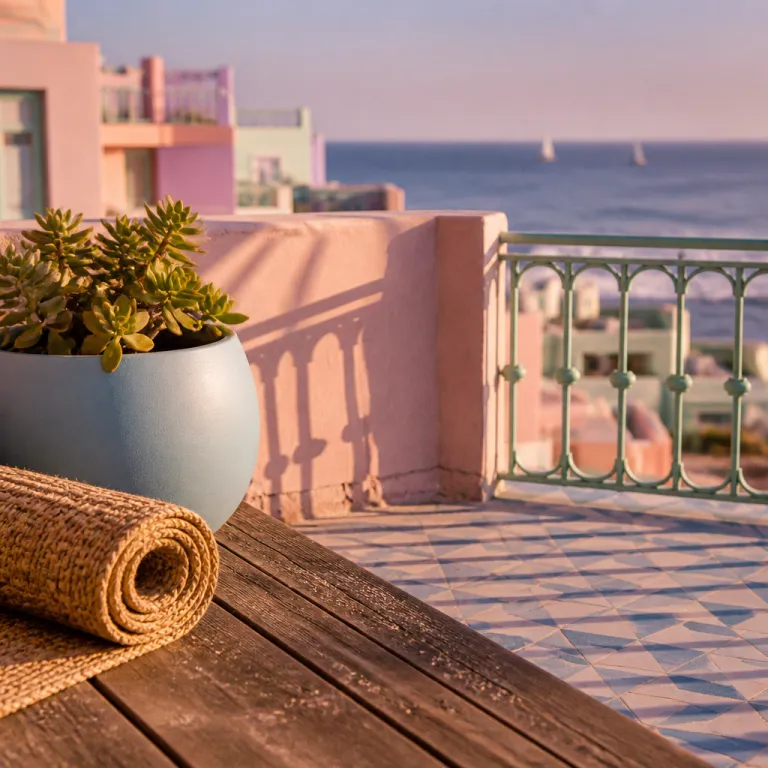
Working from Punta del Este digital nomad hotel: why this Atlantic resort finally works for serious remote work
Working from Punta del Este digital nomad hotel options now feels surprisingly seamless. The resort that once catered only to summer leisure quietly learned how executives and digital nomads actually work, and the result is a compact strip of uruguayan coastline where reliable internet and polished service meet Atlantic light. For remote workers who split their time between Montevideo, Buenos Aires and south America’s other hubs, Punta del now offers a professional base that still feels like a holiday.
The new WTC Free Zone has anchored a business district in Punta del Este, and that has changed the expectations for every luxury property around it. Hotels that once focused only on high season leisure now court the digital nomad and the long stay guest with proper desks, quiet floors and meeting ready lounges. For guests arriving from Montevideo or from Colonia del Sacramento after a weekend, the shift is immediately visible in the way staff talk about remote work and late check out for global calls.
At the top end, Fasano Punta del Este sets the tone for working from Punta del Este digital nomad hotel stays. Rooms are large enough to separate sleep and work, with Bluetooth enabled tech, generous tables and reliable internet that holds steady during video conferences. The Technogym equipped fitness centre, the calm spa and the discreet service mean that a demanding work week still feels balanced, even when deadlines tap at your laptop until midnight.
Further along the coast, Casagrande in José Ignacio leans into the hybrid condo hotel model that digital nomads favour. Its long stay friendly layouts suit a family that wants space for schoolwork and remote work, while parents handle calls with Montevideo or with teams in north America. For nomads who plan to test living Uruguay for several months before considering permanent residency, these serviced apartments bridge the gap between hotel comfort and a more independent home.
Across the peninsula, the best addresses now understand that the digital nomad is not a backpacker but a client who may pay in four figures of USD each month. They expect safety, quiet, and a community of other remote workers who respect time zones and deadlines. In return, they bring repeat stays, word of mouth and a new rhythm that stretches well beyond the traditional high season.
How to choose a Punta del Este hotel that actually works for remote work
Choosing a working from Punta del Este digital nomad hotel is less about the pool and more about the floorplan. Start by asking direct questions about internet speed, back up systems and whether the hotel can guarantee reliable internet in both rooms and public areas during peak occupancy. In a resort where high season can strain older networks, this is the single most important filter for digital nomads and remote workers who cannot afford dropped calls.
Look for rooms with a real desk, an ergonomic chair and enough natural light to work eight hours without fatigue. A good working from Punta del Este digital nomad hotel will also offer multiple power outlets at desk height, strong Wi Fi near the bed and blackout curtains for those who work remote with Asia or Europe and sleep after sunrise. When a property mentions a business floor or quiet wing, ask whether it is kept separate from family oriented rooms during school holidays, because noise management is part of professional hospitality.
Meeting spaces matter more than many nomads expect. If you host clients from Montevideo Punta or from Buenos Aires, you will want a small boardroom with a screen, stable internet and coffee service that runs on time. Some of the better uruguayan properties now bundle half day meeting room access into long stay packages, which can reduce the overall cost in USD compared with renting external space several times a month.
Service culture is another filter. Staff who understand remote work will not blink when you ask for a late breakfast after a night of calls, or for a quiet corner during a midday wedding setup. They will know how to tap into local services, from printing to translation, and they will be open to arranging airport transfers that align with awkward flight times from Colonia del Sacramento or Montevideo. This is where luxury in Uruguay feels less about marble and more about intelligent, anticipatory service.
For readers comparing options across the country, our guide to Uruguay luxury hotel packages and curated premium stays offers a broader view of which brands consistently support digital nomads. Use it to benchmark Punta del Este properties against Montevideo and Colonia del before committing to a month long stay. The goal is to ensure that your chosen address supports both your workload and your preferred way of living Uruguay between calls.
Where to actually work: coworking spaces, coliving and hotel alternatives
Even the best working from Punta del Este digital nomad hotel will not suit every workday. Some remote workers crave a sharper separation between leisure and work, and Punta del Este now offers a small but serious ecosystem of coworking and coliving spaces. Average internet speeds around 50 Mbps, reported by local providers, are enough for most digital tasks when paired with modern routers and sensible user caps.
COWORKERS, near the heart of the resort, offers functional rooms for workshops, board meetings and training sessions. It suits executives who need a neutral space to meet clients from Montevideo or from Buenos Aires, away from the informality of a hotel lobby. Prices vary; contact spaces directly for current rates, because packages shift between low and high season and may be quoted in either local currency or USD.
ZAG Coliving, closer to the residential streets, blends private rooms with shared kitchens, lounges and terraces. It attracts a younger wave of digital nomads who value community and are comfortable trading some privacy for a stronger sense of belonging. Are there long term accommodation options for remote workers? Yes, coliving spaces like ZAG Coliving offer long term stays, which can be a good bridge for those testing the uruguay digital nomad lifestyle before signing a lease.
Lighthouse, positioned near the main bus terminal and opposite the largest shopping centre in Uruguay, leans into its role as a coworking community. It supports entrepreneurs and digital nomads with a sense of belonging, hosting events that bring together locals and foreigners who work remote across tech, design and consulting. For a nomad who arrives alone from Colonia del Sacramento or from Montevideo Punta, this is often the fastest way to tap into a professional network.
When you combine these spaces with a comfortable hotel, the result is a flexible weekly rhythm. Some days you work from your room, other days you move to a coworking desk with ocean views, and on lighter afternoons you retreat to a shaded terrace with a laptop and a coffee. To structure a longer stay that mixes work, travel and family time, our overview of premium Uruguay holiday packages with private transfers can help you align logistics with your remote work calendar.
Visas, the Uruguay digital nomad permit and practicalities for long stays
The legal framework matters when you plan more than a quick working from Punta del Este digital nomad hotel escape. Uruguay has introduced a digital nomad permit that allows foreign remote workers to stay beyond standard tourist limits, provided they meet income and documentation requirements. This has made the country more attractive to digital nomads who want stability without rushing into permanent residency.
Applicants usually need to show proof of income in USD or another major currency, valid health insurance and a clean criminal record from their home jurisdiction. The process is designed to be relatively open and transparent, reflecting the broader uruguayan reputation for institutional stability and safety. While tax rules can be nuanced, many nomads structure their affairs so that they continue to pay taxes in their home country while enjoying the lifestyle benefits of living Uruguay for several months each year.
For those considering a deeper commitment, Uruguay’s path to permanent residency is straightforward compared with some neighbours in south America. Families who split time between Montevideo, Punta del Este and Colonia del often start with repeated stays under the digital nomad framework, then transition once they are confident about schools, healthcare and the real cost living. Legal advice is essential here, especially for executives with complex corporate structures or equity based compensation.
Practicalities extend beyond visas. Health insurance that covers remote work abroad is non negotiable, particularly if you plan to surf, sail or ride horses on weekends. Many high end hotels can help guests tap into local private clinics, which are of good quality in Montevideo and adequate in Punta del Este, but you should still confirm evacuation coverage to Buenos Aires or to your home country for serious issues.
Finally, remember that the digital nomad permit does not replace common sense. Keep digital copies of your documents, maintain a clear record of your entries and exits, and respect local rules around work performed for uruguayan clients versus foreign ones. A calm, rules based environment is part of what makes Uruguay feel safe for nomads, and it is worth protecting.
Cost of living, from hotel rates to daily life compared with other hubs
Working from Punta del Este digital nomad hotel stays sit in a different price band from Bali or Mexico City. In pure cost living terms, Uruguay is closer to Lisbon, especially once you factor in food, transport and private healthcare. That said, the quality of life, safety and institutional calm often justify the higher monthly outlay for executives and families.
Hotel rates in Punta del Este fluctuate sharply between low and high season, with January and February commanding the highest USD prices. Long stay guests who book for a month or more can often negotiate softer rates, especially if they are willing to stay slightly back from the sand or to commit to shoulder season dates. For digital nomads who bill clients in stronger currencies, the overall cost can still feel reasonable when balanced against reliable internet, safety and the ability to work remote without constant friction.
Daily expenses follow a similar pattern. Groceries and restaurant meals in Uruguay cost more than in many parts of south America, but the quality of produce and meat is consistently high. Transport between Montevideo and Punta del Este, or between Punta and Colonia del Sacramento, is affordable by regional standards, and the bus network makes it easy to move without renting a car for the entire stay.
Compared with Lisbon, you may pay slightly more for imported goods but enjoy lower levels of petty crime and a calmer social climate. Compared with Bali, you trade lower costs for stronger institutions, better tap water standards in cities and a more predictable regulatory environment for digital nomads. Compared with Mexico City, Punta del Este offers a smaller, more contained urban footprint where safety feels less like a daily calculation and more like a background condition.
For those planning extended stays that mix work and celebration, our feature on elegant celebrations and luxury minded stays in Uruguay outlines how to layer special occasions onto a remote work base. Used well, a higher cost destination can deliver a better overall ROI on your time, not just your money. The key is to align your accommodation, coworking and lifestyle choices with the way you actually work.
The weekly rhythm: how remote workers really live in Punta del Este
A working week in Punta del Este has its own cadence. Many remote workers start early, taking advantage of quiet mornings and cool air before the beach crowds arrive, then shift into a slower gear after lunch. The Atlantic light, the long rambla and the easy access to surf breaks make it tempting to close the laptop by late afternoon.
On a typical Monday, you might handle calls with Europe from your hotel room, then walk to a coworking space like Lighthouse for a focused block of deep work. After a late lunch, a quick swim or run along Playa Brava resets your energy before evening meetings with teams in north America. By midweek, you know which cafés have the best open seating, the strongest Wi Fi and staff who do not mind if you work for two hours over a single cortado.
Weekends stretch the rhythm further. Some nomads head to Colonia del Sacramento for a change of architecture and pace, while others cross to Buenos Aires for theatre, restaurants and meetings before returning to their working from Punta del Este digital nomad hotel base. Families may split days between the beach, sailing lessons and quiet afternoons where children handle schoolwork online while parents tap through emails on a shaded terrace.
Seasonality shapes everything. During high season, the town buzzes with Argentines and uruguayans on holiday, and remote workers need to be more deliberate about carving out quiet spaces and booking restaurants. In the shoulder months, Punta del Este feels almost like a private resort for digital nomads, with empty beaches, short queues and hotel staff who have time to chat about your projects and your next trip across south America.
What remains constant is the sense that work and life are not in conflict here. When your commute is a five minute walk from hotel to coworking, and your post meeting reset is a barefoot stroll on the sand, the line between productivity and pleasure softens. That is the real luxury of living Uruguay as a remote worker, and it is why many who arrive for a month quietly extend their stay.
Safety, community and the soft infrastructure that makes it all work
For many digital nomads, safety and community matter as much as Wi Fi speed. Uruguay has built a reputation for political stability, low levels of violent crime and a calm public sphere, and Punta del Este reflects that in daily life. Walking home at night from a coworking space or from dinner feels routine rather than risky, which is not always the case in larger south American cities.
The soft infrastructure around remote work has matured quickly. Local tech meetups, language exchanges and informal dinners bring together uruguayans, Argentines and foreigners who work remote across multiple time zones. Lighthouse and similar spaces play a central role here, creating a community where a solo nomad can arrive from Montevideo or from Buenos Aires and feel connected within a week.
Families benefit from this ecosystem as well. International schools in Montevideo, weekend sports clubs in Punta del Este and a network of private clinics give parents confidence that a longer stay will not compromise education or healthcare. When a destination feels safe, open and well organised, it becomes easier to imagine shifting from a temporary digital nomad permit to a more permanent residency plan.
Soft details matter too. Tap water quality, clear signage, courteous police and a culture that respects queues all contribute to a sense of order that remote workers appreciate. Reliable internet, even during storms, and hotel staff who understand the basics of data privacy and secure printing round out the picture for those handling sensitive work. In the end, a working from Punta del Este digital nomad hotel stay is not just about the view from your desk, but about the quiet confidence that the city around you will support your day.
Key figures for working from Punta del Este
- Average fixed line internet speeds in Punta del Este are around 50 Mbps according to local ISP reports, which is sufficient for video conferencing, cloud based tools and most digital agency work.
- Local business directories list around five dedicated coworking spaces in Punta del Este, a significant number for a city of its size and a sign of growing demand from remote workers and digital nomads.
- Coliving options such as ZAG Coliving offer long term stays, reflecting a broader regional trend where more nomads choose hybrid living models instead of traditional hotels or standard rentals.
- The WTC Free Zone in Punta del Este has positioned the resort as a secondary business hub after Montevideo, increasing demand for high quality hotel rooms with reliable internet and meeting facilities throughout the year.
FAQ about working from Punta del Este as a digital nomad
Is Punta del Este suitable for remote work year round ?
Yes, Punta del Este is suitable for remote work throughout the year, with reliable infrastructure and a pleasant coastal climate that supports long stays beyond the traditional summer high season. While January and February are busier and more expensive, shoulder months offer quieter streets, lower hotel rates and easier access to coworking spaces. Many digital nomads now structure their calendar to spend at least part of the off season here.
What are the typical internet speeds in Punta del Este hotels and coworking spaces ?
Most quality hotels and coworking spaces in Punta del Este provide fixed line connections around 50 Mbps, which is adequate for video calls, large file transfers and cloud based collaboration. The best working from Punta del Este digital nomad hotel options also invest in modern routers and backup systems to keep connections stable during storms or peak usage. Always ask for a recent speed test before committing to a long stay, especially if your work is bandwidth intensive.
Are there long term accommodation options for remote workers beyond hotels ?
Yes, Punta del Este offers several long term options beyond traditional hotels, including serviced apartments, coliving spaces like ZAG Coliving and seasonal rentals managed by reputable agencies. These can be more cost effective than a hotel for stays longer than one month, particularly for couples or families. Many digital nomads combine a few weeks in a full service hotel with a longer period in an apartment once they understand the neighbourhoods.
How does the cost of living in Punta del Este compare with other digital nomad hubs ?
The cost of living in Punta del Este is higher than in Bali or Mexico City and broadly comparable to Lisbon, especially when you factor in accommodation, dining and private healthcare. You pay a premium in USD for safety, institutional stability and high quality infrastructure, but many remote workers consider the trade off worthwhile. Careful planning around seasonality and neighbourhood choice can keep monthly expenses under control.
What should I know about visas and the Uruguay digital nomad permit ?
Uruguay offers a digital nomad style permit that allows foreign remote workers to stay beyond standard tourist limits, subject to income, health insurance and criminal record checks. The process is relatively straightforward, but tax implications depend on your personal situation and may require professional advice. Many nomads start with shorter stays under regular entry rules, then apply for longer term options once they are sure that living Uruguay suits their work and lifestyle.